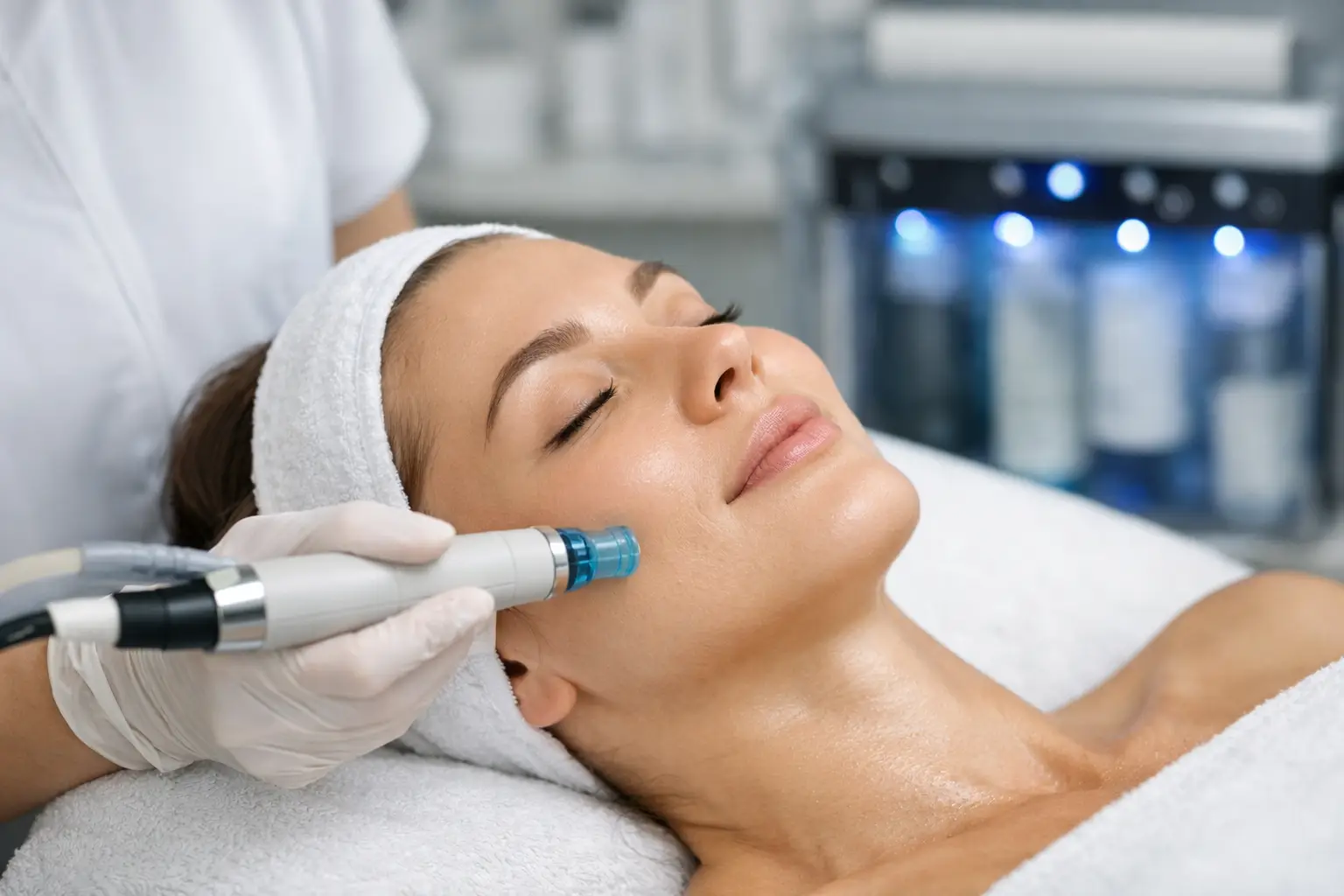
A lot of facials feel relaxing in the moment but leave people wondering what actually changed. That is why one of the most common questions we hear is, what is a hydrafacial treatment, and why do so many patients keep booking it? The short answer is that it is a non-invasive skin resurfacing treatment that cleanses, exfoliates, extracts, and hydrates the skin in one session, with little to no downtime.
For busy adults who want clearer, smoother, more radiant skin without peeling for a week or rearranging their schedule, that combination is a big reason Hydrafacial has become a go-to med spa service. It is comfortable, customizable, and designed to improve skin health while delivering a fresh, polished look right away.
What is a hydrafacial treatment and how does it work?
A Hydrafacial treatment uses a specialized device with vortex technology to move serums across the skin while clearing out impurities. Instead of relying on aggressive manual extractions or harsh abrasion alone, it combines several steps into one controlled process. The treatment typically starts with cleansing and gentle exfoliation to remove dead skin cells and surface buildup. From there, a mild peel solution helps loosen debris inside the pores. The device then performs painless extractions while simultaneously infusing the skin with hydrating and nourishing ingredients.
That last part matters. Many treatments remove oil and congestion but can leave the skin feeling stripped or irritated. Hydrafacial is different because it is designed to clean the skin while replenishing it. Depending on the protocol, the serums may include hyaluronic acid for hydration, antioxidants for protection, and peptides that support healthier-looking skin.
The result is skin that usually looks cleaner, brighter, and more refreshed the same day. For many patients, it is one of the few treatments that feels both corrective and instantly gratifying.
What concerns can a Hydrafacial help improve?
Hydrafacial is popular because it works for a wide range of skin concerns. It is not a facelift, and it will not replace more intensive treatments for deep wrinkles, severe laxity, or significant scarring. But for everyday skin maintenance and visible improvement, it checks a lot of boxes.
Many patients choose it to address congested pores, blackheads, dullness, uneven texture, mild acne, dehydration, and early signs of aging. It can also help improve the appearance of fine lines, rough patches, and skin that looks tired or stressed. If makeup is sitting unevenly or the skin never seems to look as clear as it should, Hydrafacial can often help reset things.
It is also a strong option before an event. Because there is usually no extended recovery period, people often schedule it ahead of weddings, photos, vacations, or work events when they want their skin to look smoother and more radiant.
Why people choose Hydrafacial over a traditional facial
Traditional facials can absolutely have value, especially when performed by skilled providers. But they vary a lot from one location to another. The products used, the extraction technique, and the intensity of exfoliation can all be inconsistent.
Hydrafacial is more standardized and device-based, which gives patients a clearer sense of what they are getting. That consistency appeals to people who want reliable results and a treatment backed by established protocols. It also tends to be more effective for patients who want a deeper clean than a basic spa facial but are not ready for more aggressive resurfacing.
Comfort is another major reason. Manual extractions can be painful, and stronger peels can involve more downtime. Hydrafacial is often described as gentle, refreshing, and surprisingly satisfying. You get a thorough treatment without feeling like your skin has been overworked.
What happens during the appointment?
A Hydrafacial appointment is usually straightforward. After your skin is evaluated, the provider selects the right approach based on your concerns, skin type, and goals. The treatment itself often takes around 30 to 45 minutes, although some sessions are longer if boosters or add-ons are included.
You can expect several phases. First comes cleansing and exfoliation to remove surface buildup. Next, a light chemical exfoliation helps loosen oil and debris. Then the device performs suction-based extractions to clear the pores. Finally, targeted serums are delivered into the skin to hydrate and support a healthier appearance.
Some providers enhance the session with LED light therapy, lymphatic drainage, or customized boosters for pigmentation, fine lines, or acne-prone skin. That is where a medically supervised setting can make a real difference. Instead of taking a one-size-fits-all approach, the treatment can be adjusted to what your skin actually needs.
Is there any downtime?
For most people, downtime is minimal to none. That is one of the strongest selling points. You may have slight pinkness right after the appointment, especially if your skin is sensitive, but that usually fades quickly. Many patients go right back to work, errands, or dinner plans the same day.
This does not mean every person reacts exactly the same way. If your skin barrier is compromised, if you are using strong retinoids, or if you have active irritation, your provider may recommend adjusting the treatment or postponing it. Good results come from matching the treatment to the skin, not forcing the skin to fit the treatment.
Is Hydrafacial good for all skin types?
In many cases, yes. One reason Hydrafacial has broad appeal is that it can be suitable for a wide range of skin tones and skin types, including oily, dry, combination, and sensitive skin. Because the treatment can be customized, providers can often tailor the intensity and serum selection to make it more appropriate for the individual.
That said, suitability still depends on your current skin condition. Patients with active rashes, sunburn, certain infections, or severe inflammatory breakouts may need to wait. A proper consultation matters because even gentle treatments should be chosen with care.
At a medical spa, that evaluation is part of the value. You are not just booking a relaxing service. You are getting professional guidance on whether Hydrafacial is the right fit or whether another treatment would deliver better results.
How long do results last?
Most patients notice an immediate glow and smoother texture after one session. Skin often feels cleaner, softer, and more hydrated right away. That fresh look can last several days to a week or longer, depending on your skin condition and home care.
For longer-term improvement, consistency matters. A single treatment can be a great reset before an event, but regular sessions are usually the better strategy for maintaining clearer pores, balanced hydration, and ongoing skin refinement. Many patients do best with monthly treatments, especially if they are managing congestion, dullness, or early aging concerns.
Think of it like professional maintenance. One appointment can make your skin look better. A series can help keep it performing better over time.
What is a hydrafacial treatment not meant to do?
This is where honest expectations matter. Hydrafacial is excellent for cleansing, hydration, mild resurfacing, and glow. It is not the best standalone treatment for every concern.
If you have deep acne scars, advanced sun damage, significant skin laxity, or more pronounced wrinkles, you may need a different treatment plan. Microneedling, skin tightening, injectables, or other medical aesthetic services may be more effective depending on the goal. In some cases, Hydrafacial works best as part of a larger skin strategy rather than the only treatment you do.
That does not make it less valuable. It just means the best treatment is the one that matches the problem. Patients get the strongest outcomes when they choose based on medical guidance, not trends.
Who is a good candidate?
A good candidate is usually someone who wants healthier-looking skin, little to no downtime, and visible improvement without an aggressive procedure. It is especially appealing for adults who want to maintain their skin regularly and prefer treatments that fit into a busy schedule.
It is also a smart option for first-time med spa patients. If someone is interested in professional skin treatments but feels hesitant about lasers, peels, or needles, Hydrafacial can be an approachable starting point. It gives people a chance to improve their skin and experience professional care without a big recovery process.
For patients in Long Island who are comparing options, the key is not just finding Hydrafacial on a menu. It is finding a provider who can evaluate your skin properly, customize the treatment, and recommend whether it should stand alone or be combined with other services for stronger results.
Healthy skin rarely comes from a single product or one random facial. It comes from a plan that fits your skin, your goals, and your lifestyle. That is where a treatment like Hydrafacial can earn its place - not as hype, but as a reliable way to keep your skin clear, hydrated, and visibly refreshed.