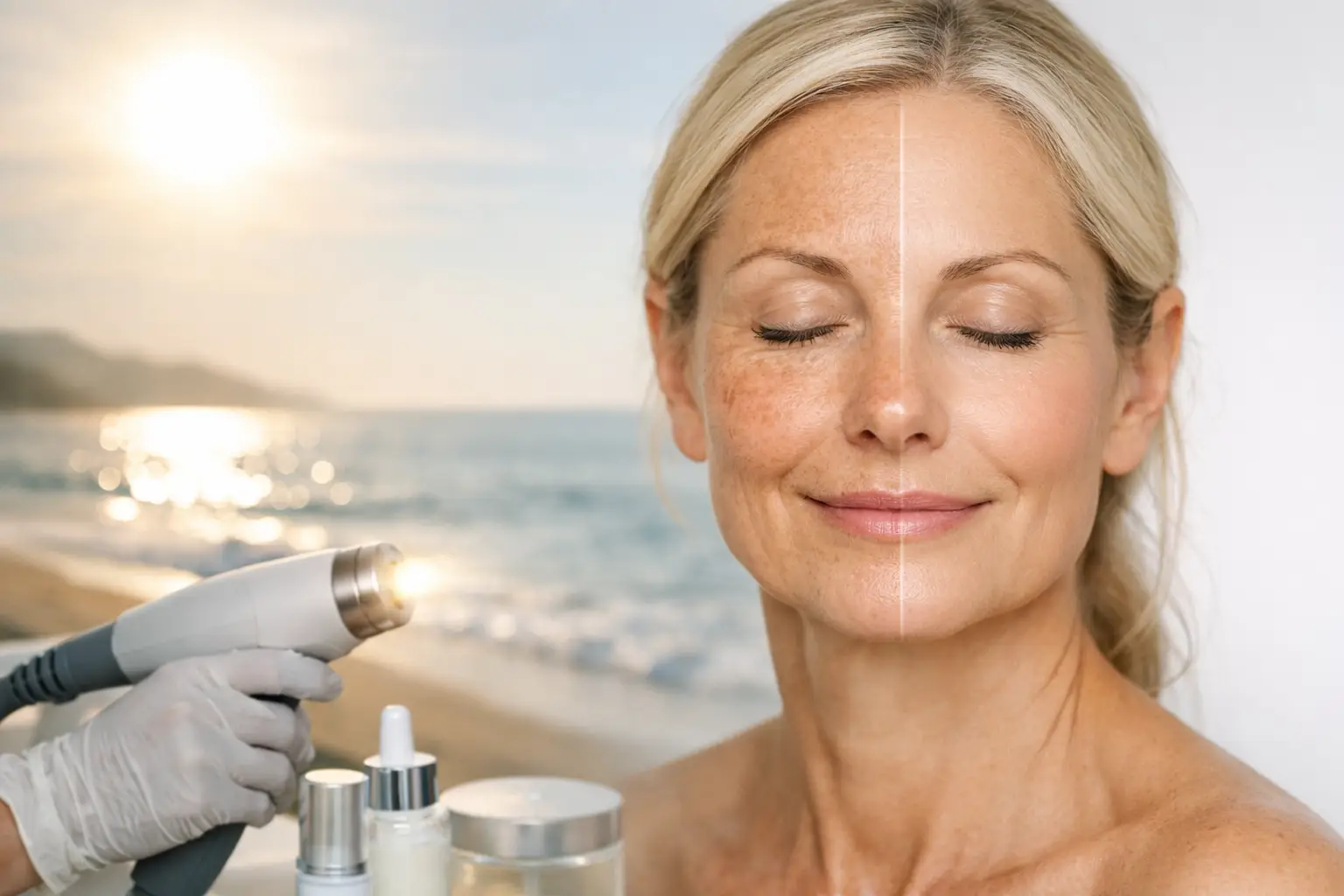
Sun exposure does not always show up right away. Years after beach days, driving, outdoor sports, or simply walking without consistent sunscreen, skin may develop brown spots, uneven tone, fine lines, redness, and a rougher texture. Skin rejuvenation for sun damage is designed to address those visible changes with targeted, non-surgical treatments that help your complexion look clearer, smoother, and more refreshed.
The right approach is not about chasing a dramatic overnight change. It is about choosing treatments that fit your skin type, concerns, schedule, and goals, then protecting your results with a smart maintenance plan. At Elite Laser Center, every recommendation should begin with a personalized assessment, especially when sun damage is mixed with aging, acne scarring, melasma, or sensitivity.
What Sun Damage Does to Your Skin
Ultraviolet exposure affects more than the surface of the skin. It can trigger excess pigment production, which appears as sun spots, freckles, and uneven patches of color. It also breaks down collagen and elastin over time. Those are the support structures that help skin stay firm, smooth, and resilient.
That is why sun damage often looks like more than a few dark spots. You may notice enlarged-looking pores, fine lines around the eyes and mouth, a crepey texture, dullness, or a loss of firmness in areas that get the most exposure, including the face, chest, neck, and hands.
Not every brown mark is harmless sun damage. A changing mole, a spot that bleeds, or a lesion with irregular borders or color should be evaluated by a dermatologist before cosmetic treatment. Medical oversight matters because safe aesthetic care starts with knowing what should and should not be treated in a med spa setting.
Skin Rejuvenation for Sun Damage: Your Options
There is no single best treatment for every type of sun damage. Some clients are primarily concerned with discoloration, while others want to improve texture and fine lines. Many need both. Combining the right treatments can often create a more complete result than relying on one service alone.
Laser and light-based treatments
Laser and light-based treatments can target visible pigment and redness while supporting a more even-looking complexion. The energy is selected based on the concern being treated and the client’s skin tone. Pigmented spots may darken temporarily before they lift or fade, and redness can improve gradually over a series of treatments.
These treatments can be an excellent choice for sun spots, uneven tone, and certain vascular concerns. However, they are not a shortcut around sun protection. Fresh tanning, active irritation, and inconsistent SPF use can increase the chance of unwanted pigment changes and may mean treatment should be postponed.
Microneedling for texture and fine lines
Microneedling creates controlled microchannels in the skin to encourage collagen renewal. It is especially useful when sun exposure has left skin feeling rough, less firm, or marked by fine lines. Over time, renewed collagen can improve texture and give the skin a smoother, more refined appearance.
Results develop gradually because collagen remodeling takes time. Most people benefit from a treatment series, and some temporary redness is expected. Microneedling may be a strong option for clients who want meaningful texture improvement with limited downtime, but the treatment plan should be adjusted carefully for active acne, certain skin conditions, or a history of abnormal scarring.
Professional facials and corrective skincare
For mild dullness, surface dryness, and early signs of uneven tone, professional facials and carefully chosen skincare can make a visible difference. Exfoliating treatments, hydration-focused facials, and medical-grade skincare help support cell turnover and improve the way skin reflects light.
Skincare is also what protects the investment you make in in-office treatments. Daily broad-spectrum sunscreen, antioxidant support, moisturizers, retinoid-based products when appropriate, and pigment-balancing ingredients can help maintain a clearer-looking complexion between visits. Product selection matters. A strong active ingredient used too aggressively can create irritation, and irritation can worsen discoloration in some skin types.
Skin tightening for loss of firmness
When sun damage is paired with mild skin laxity, non-surgical skin tightening may be considered as part of a larger rejuvenation plan. These treatments use controlled energy to support collagen production beneath the surface. They are not a replacement for surgery when laxity is significant, but they can help improve the appearance of early looseness and soften the overall look of photoaging.
The best candidates understand that tightening is progressive. Improvements can continue for weeks or months as new collagen develops, and maintenance may be recommended to preserve the result.
Choosing Treatment Based on Your Skin, Not a Trend
The most effective treatment plan begins with a close look at your skin tone, pigment pattern, sensitivity, lifestyle, and history of sun exposure. This is particularly important for melasma and deeper skin tones, where the wrong settings or overly aggressive treatment can lead to post-inflammatory hyperpigmentation.
A qualified provider should ask whether you have recently tanned, use prescription skincare, take medications that increase photosensitivity, or have a history of cold sores, keloid scarring, or pigment changes after injury. These details affect the safest treatment choice and the preparation you may need.
For example, someone with isolated brown spots and otherwise smooth skin may respond well to a targeted laser or light-based approach. Someone with diffuse discoloration, fine lines, and rough texture may benefit more from a combination of microneedling, skincare, and strategic light-based treatments. A customized plan is more valuable than a one-size-fits-all package because it addresses the reason your skin looks damaged, not just the symptom you notice first.
What to Expect After Treatment
Downtime depends on the treatment selected. Some services cause only mild redness that fades within hours or a day. Others may create temporary darkening of pigment, dryness, flaking, or a sunburn-like sensation for several days. Your provider should give you specific aftercare instructions before you leave.
In general, your skin will need gentle care after rejuvenation. Avoid picking or exfoliating flaking skin, keep the area hydrated, and use broad-spectrum SPF 30 or higher every day. Heat exposure, intense exercise, saunas, and direct sun may need to be limited for a short period depending on the treatment.
Visible improvement is often cumulative. Pigment can fade in stages, texture changes as collagen rebuilds, and skin quality improves with consistent care. Be cautious of any promise that sun damage can be erased permanently in one appointment. Great results are realistic, but they are built through the right treatment, proper timing, and ongoing protection.
Preventing New Sun Damage
The best rejuvenation plan includes prevention. Apply broad-spectrum sunscreen every morning, including on cloudy Long Island days and when you are mostly indoors near windows. Reapply during extended outdoor time, and use hats, sunglasses, and shade whenever practical.
Sun protection is not only about preventing future spots. It helps preserve the clarity, smoothness, and even tone you work to achieve with professional treatment. Think of SPF as part of your results plan, not an optional extra.
If sun damage has made you feel less confident in your skin, a professional consultation can bring clarity. The goal is to choose a safe, effective path that respects your skin type and gives you results that still look like you - rested, brighter, and naturally refreshed.