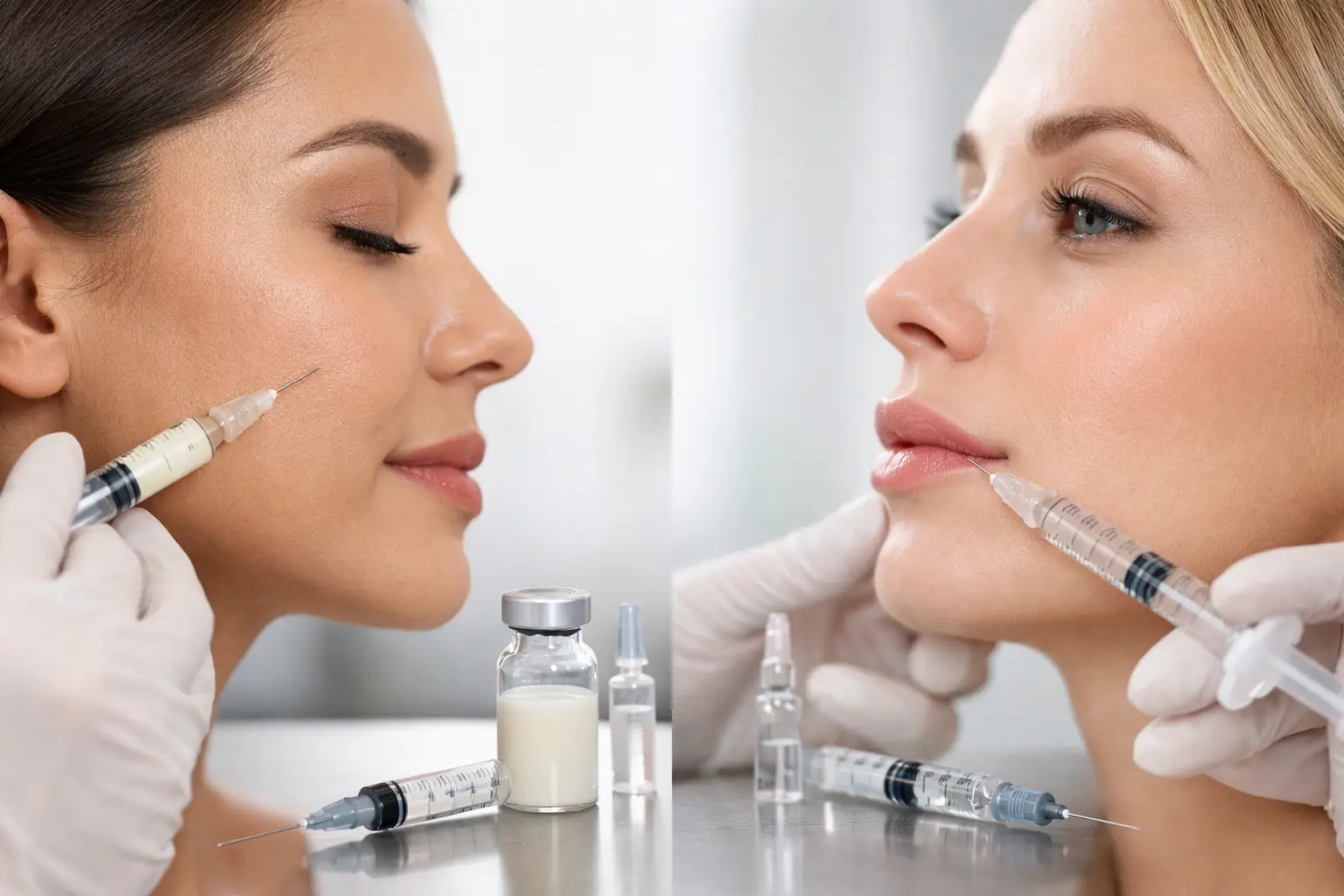
A face can look tired long before it has many lines. Often, the real change is gradual volume loss through the cheeks, temples, jawline, or lower face. When comparing Sculptra vs dermal fillers, the best choice is rarely about choosing the treatment with the longest duration or the fastest result. It is about matching the product and technique to the way your face is aging, your timeline, and the look you want to maintain.
Both options are non-surgical injectable treatments designed to restore a more refreshed, balanced appearance. Yet they work very differently. One can provide immediate, targeted shaping; the other encourages your body to rebuild collagen over time. Understanding that difference helps you invest in a treatment plan with confidence.
Sculptra vs Dermal Fillers: The Core Difference
Dermal fillers are commonly made with hyaluronic acid, a substance that naturally occurs in the body and attracts water. An experienced injector can place filler precisely to soften folds, restore definition, add contour, or replace localized volume. Depending on the area treated, clients often see a visible change right away, although mild swelling can temporarily affect the initial appearance.
Sculptra is not a traditional filler. It is an injectable collagen biostimulator made with poly-L-lactic acid. Rather than simply occupying space beneath the skin, it works gradually to stimulate collagen production. That makes it especially valuable for broader, more diffuse facial volume loss and for clients who want a subtle, progressive improvement rather than an instant change.
The difference is simple: hyaluronic acid filler gives immediate structural support where it is placed, while Sculptra helps the skin rebuild support over time. Neither is automatically better. The right answer depends on the treatment area and the result you are trying to achieve.
When Dermal Fillers May Be the Better Choice
Dermal fillers are often ideal when you have a specific area you want to address now. For example, a carefully selected filler may enhance lip shape, define the chin, sharpen the jawline, support the cheeks, soften smile lines, or improve under-eye hollows in appropriate candidates.
Precision is a major advantage. An injector can assess facial proportions and make small, strategic adjustments that create a meaningful improvement without changing what makes your face look like you. For someone preparing for a wedding, reunion, professional event, or vacation, the immediacy of filler can be especially appealing.
Hyaluronic acid fillers also have an important practical benefit: they can generally be dissolved with an enzyme if medically necessary or if the result needs to be adjusted. This does not make treatment casual. Any injectable procedure requires advanced anatomical knowledge and a careful technique. But reversibility can offer peace of mind for first-time clients and those considering a more defined look.
Filler does have limits. Using too much product in an effort to correct widespread volume loss can create an overfilled or puffy appearance. This is where a conservative, medically guided plan matters. Sometimes the face does not need more filler in one feature. It needs support restored more globally.
When Sculptra May Be the Better Choice
Sculptra is often an excellent option for men and women experiencing generalized facial thinning or age-related loss of volume. It can be used to improve areas such as the temples, cheeks, preauricular area in front of the ears, jawline, and lower face, creating an overall look that is more rested and supported.
The trade-off is patience. Sculptra results develop over weeks and months as collagen production increases. Most clients need a series of sessions, commonly spaced several weeks apart, and the number of vials needed varies based on facial anatomy, age, degree of volume loss, and treatment goals. A consultation should include a clear discussion of the recommended plan, not a one-size-fits-all vial count.
For the right candidate, this gradual process is a benefit rather than a drawback. Friends may notice that you look well-rested or healthier without being able to identify a sudden cosmetic change. Results can last two years or longer for many clients, although collagen response and longevity vary from person to person.
Sculptra is not usually the first choice for areas requiring crisp, immediate detail. It is not designed for lip enhancement, and it is generally not used for tear trough treatment. If your goal is a sharper chin, a more defined lip border, or quick correction of a focused hollow, a dermal filler may be more appropriate.
Can You Combine Sculptra and Fillers?
In many cases, yes. Combining treatments can be one of the most natural-looking strategies because each product has a different role. Sculptra may help restore the underlying framework of the face over time, while dermal filler can provide immediate refinement in targeted areas.
A client with flattened cheeks, temple hollowing, and a chin that lacks projection may benefit from a staged approach. Sculptra can address broad volume loss, while a small amount of strategically placed filler may improve chin balance or cheek contour. The goal is not to add product everywhere. It is to use the right product in the right place.
Timing matters. Your provider may recommend spacing treatments apart or creating a multi-visit plan that allows swelling to resolve and results to develop. This measured approach is often safer, more predictable, and more flattering than trying to achieve every goal in a single appointment.
Safety, Downtime, and What to Expect
Both Sculptra and dermal fillers involve injections, so temporary swelling, tenderness, redness, bruising, and sensitivity at injection sites can occur. Most clients return to normal activities quickly, but it is wise to schedule treatment well before an important event if you have never been injected before or tend to bruise easily.
As with any injectable treatment, more serious complications are possible, including vascular complications with dermal fillers. Proper product selection, sterile technique, an understanding of facial anatomy, and prompt recognition of concerns are essential. Treatment should be performed by a qualified, medically supervised injector who can review your medical history, medications, allergies, previous cosmetic treatments, and aesthetic goals.
Sculptra also requires proper aftercare. Your injector may recommend massage following treatment and will give you specific instructions based on your plan. Follow them closely. Do not assume that every injectable has the same post-treatment rules.
Certain health conditions, active skin infections, pregnancy or breastfeeding status, autoimmune concerns, medication use, and a history of keloid scarring may affect candidacy. A responsible provider will not rush past these details just to complete a treatment.
Cost: Look Beyond the Price Per Syringe or Vial
Comparing the price of Sculptra and filler by a single syringe or vial can be misleading. Filler may have a lower upfront cost for a small correction, but larger-volume restoration can require multiple syringes and periodic maintenance. Sculptra often requires a greater initial investment because treatment is usually performed as a series, but its collagen-building effect may offer longer-term value for the right client.
The more useful question is: what does it take to achieve your specific goal safely and naturally? A customized plan should explain the estimated number of sessions or syringes, what changes you can realistically expect, when maintenance may be needed, and whether a combination approach would be more effective.
Be cautious of treatment plans built around a bargain alone. Injectable results depend heavily on the assessment and skill behind the injection. The goal should be balanced facial rejuvenation, not simply using the most product for the lowest price.
How to Choose the Right Injectable Plan
If you want immediate correction in a precise area, dermal fillers may be the stronger fit. If you are noticing broader facial volume loss and prefer a gradual, collagen-focused approach, Sculptra may be worth considering. If you have both concerns, a combination plan may produce the most balanced result.
At Elite Laser Center, a personalized consultation can help identify the changes that will make the greatest difference while keeping your results natural and aligned with your features. Bring photos of yourself from a few years ago if you have them. They can help reveal where volume has changed and guide a plan that restores your look rather than chasing someone else’s.
The best injectable result should not announce itself. It should help you look rested, confident, and like yourself on a very good day.