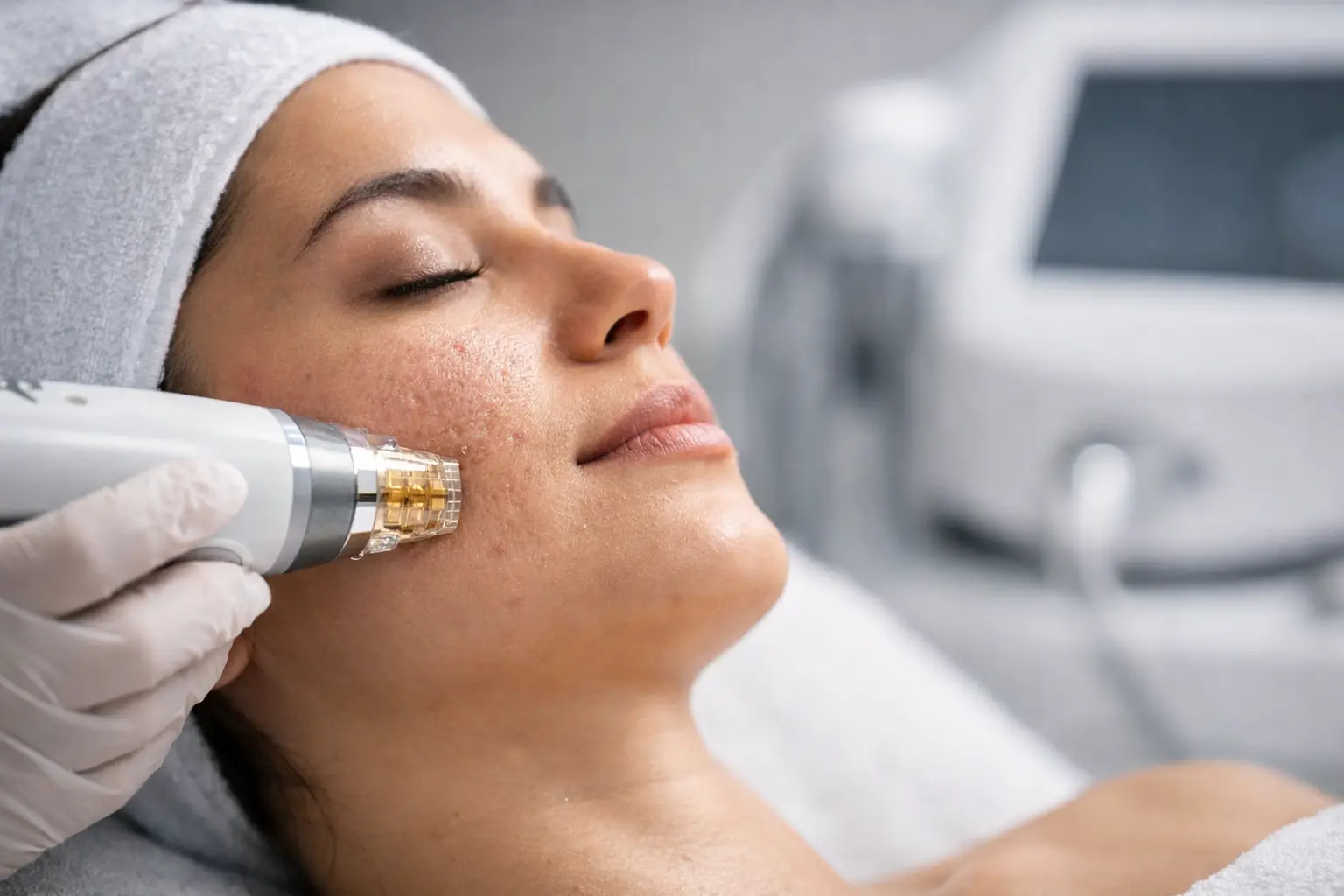
Acne scars can be frustrating for a simple reason - makeup does not smooth them, skincare rarely changes them enough, and harsh treatments often come with downtime many adults cannot afford. That is exactly why rf microneedling for acne scars has become such a sought-after option. It offers a non-surgical way to improve skin texture, soften visible scarring, and support collagen remodeling without putting your life on pause.
For many patients, the appeal is not just that the treatment is effective. It is that it can be tailored. Acne scars are not all the same, and the best results come from matching the technology to the skin in front of you, not from using a one-size-fits-all approach.
How RF microneedling for acne scars works
RF microneedling combines two proven concepts in skin rejuvenation. First, very fine needles create controlled micro-injuries in the skin. Then radiofrequency energy is delivered into the deeper layers through those tiny channels. That added heat stimulates collagen and elastin production more aggressively than traditional microneedling alone.
Why does that matter for acne scars? Because most acne scars, especially atrophic scars, are caused by a loss of collagen beneath the surface. The skin dips, puckers, or looks uneven because the underlying support structure is disrupted. RF microneedling targets that issue directly by encouraging the skin to rebuild from within.
This is also one reason the treatment has become popular among patients who want meaningful improvement without the extended recovery associated with more aggressive resurfacing procedures. You can treat texture and scarring while keeping downtime manageable.
Which acne scars respond best?
This is where honest consultation matters. RF microneedling can improve many acne scars, but it is not the right answer for every scar type.
It tends to work best for rolling scars and some boxcar scars because these respond well to collagen stimulation and skin remodeling. It may also improve overall tone, pore appearance, and post-acne texture changes, which can make the skin look smoother even when scars are not erased completely.
Ice pick scars are more complicated. Because they are narrow and deep, they often need a combination approach. Some patients benefit from pairing RF microneedling with other treatments over time rather than expecting one procedure to do everything.
That is an important distinction. The goal is usually improvement, not perfection. Patients who understand that from the start are often the happiest with their results.
Why patients choose RF over standard microneedling
Traditional microneedling can be a strong option for mild textural concerns, but RF microneedling generally offers more power for acne scars because it adds heat energy below the surface. That thermal effect helps tighten tissue and stimulate deeper remodeling.
In practical terms, that can translate to better improvement in depressed scars, firmer-looking skin, and more noticeable smoothing after a treatment series. It also allows providers to customize depth and energy levels based on the treatment area, scar pattern, and skin type.
That does not mean stronger is always better. Patients with very sensitive skin, active inflammation, or certain medical considerations may need a more conservative plan. A medically supervised evaluation helps determine whether RF microneedling is the smartest starting point or part of a broader acne scar strategy.
What treatment feels like
Most patients are relieved to hear that the procedure is very tolerable. A topical numbing cream is typically applied before treatment to improve comfort. During the session, you may feel pressure, warmth, and a prickling sensation, especially in areas where scars are denser or treatment settings are deeper.
Afterward, the skin usually looks red and may feel warm, similar to a moderate sunburn. Mild swelling or pinpoint sensitivity can happen for the first day or two. For many busy adults, that level of recovery is reasonable compared with more aggressive resurfacing options.
Treatment time depends on the size of the area being treated, but face sessions are often completed in under an hour once numbing has taken effect.
Downtime and recovery
One of the biggest reasons patients consider rf microneedling for acne scars is that recovery is usually straightforward. Most redness settles within a few days, though some people notice a pink tone for a little longer. Skin can feel dry or rough as it heals, and gentle skincare becomes especially important during that window.
Sun protection is non-negotiable. Freshly treated skin is more vulnerable, and protecting your results matters. Most patients can return to normal activities quickly, but workouts, hot environments, and irritating products may need to wait briefly depending on the provider’s instructions.
The trade-off is that lower downtime usually means results build gradually. You are not getting a dramatic overnight peel. You are giving your skin time to remodel itself in a controlled, safer way.
When results show up
Some patients notice an early glow as the skin heals, but the more meaningful change comes later. Collagen remodeling takes time. Texture often starts to look better over several weeks, with continued improvement after each session.
A series is usually recommended for acne scars rather than a single treatment. The exact number depends on scar severity, skin quality, and your goals. Mild cases may improve with fewer sessions, while deeper or more established scars often need multiple treatments spaced out over time.
That timeline can test patience, but it is also what makes the treatment feel natural. The skin improves progressively instead of changing in a way that looks abrupt or overdone.
Is RF microneedling safe for all skin tones?
This is a major question, and it should be. Some resurfacing treatments carry more risk for post-inflammatory hyperpigmentation, especially in deeper skin tones. RF microneedling is often considered a safer option for a wider range of skin types because the energy is delivered beneath the surface rather than aggressively removing the top layer of skin.
That said, safe treatment still depends on proper settings, good technique, and experienced clinical judgment. Not every device is the same, and not every provider has the same level of expertise with diverse skin tones. The technology matters, but the hands using it matter just as much.
For patients in Suffolk County and across Long Island who want visible results without compromising safety, choosing a medically supervised practice with experience treating different ethnic skin types is more than a detail. It is part of the treatment.
Who should wait or consider another option?
RF microneedling is not ideal for everyone at every moment. If you have active acne breakouts, an active skin infection, certain inflammatory skin conditions, or you are pregnant, treatment may need to be postponed. Patients using certain medications or dealing with poor wound healing also need a careful review before moving forward.
There is also the question of expectations. If your scars are extremely deep, tethered, or mixed with significant discoloration, one treatment type may not be enough. Combination therapy is common in acne scar work because scars are complex. Sometimes the best plan includes RF microneedling alongside other treatments chosen in the right order.
That is not a drawback. It is simply the reality of getting a treatment plan that is customized instead of oversold.
What makes a consultation worth your time
A good consultation should tell you more than whether you are a candidate. It should explain what kind of scars you have, how much improvement is realistic, how many sessions may be needed, what downtime to expect, and whether combination treatment would produce a better outcome.
This is where an experienced med spa or aesthetic practice stands apart. Technology alone does not create results. Assessment, settings, technique, aftercare, and consistency all shape the final outcome. At Elite Laser Center, that treatment philosophy matters because patients are not just looking for a procedure. They are looking for real, visible results delivered safely and professionally.
Price matters too, but value is about more than the cost of one session. It is about whether the plan is appropriate, whether the device is high quality, and whether the provider is treating your skin with the level of care it deserves.
Is it worth it?
For the right patient, yes. RF microneedling can be an excellent option for acne scars because it addresses one of the main underlying issues - collagen loss - while keeping downtime reasonable. It can improve texture, soften depressed scars, refine pores, and help skin look healthier overall.
The key is going in with the right expectations. This is not a miracle fix, and it is not usually a one-and-done treatment. But if you want a non-surgical option that fits a busy schedule and offers steady, visible improvement, it is one of the strongest choices available.
If acne scars still affect how you feel when you look in the mirror, the next step is not guessing which treatment sounds best online. It is getting your skin evaluated by a qualified provider who can map out what will actually move the needle for you.