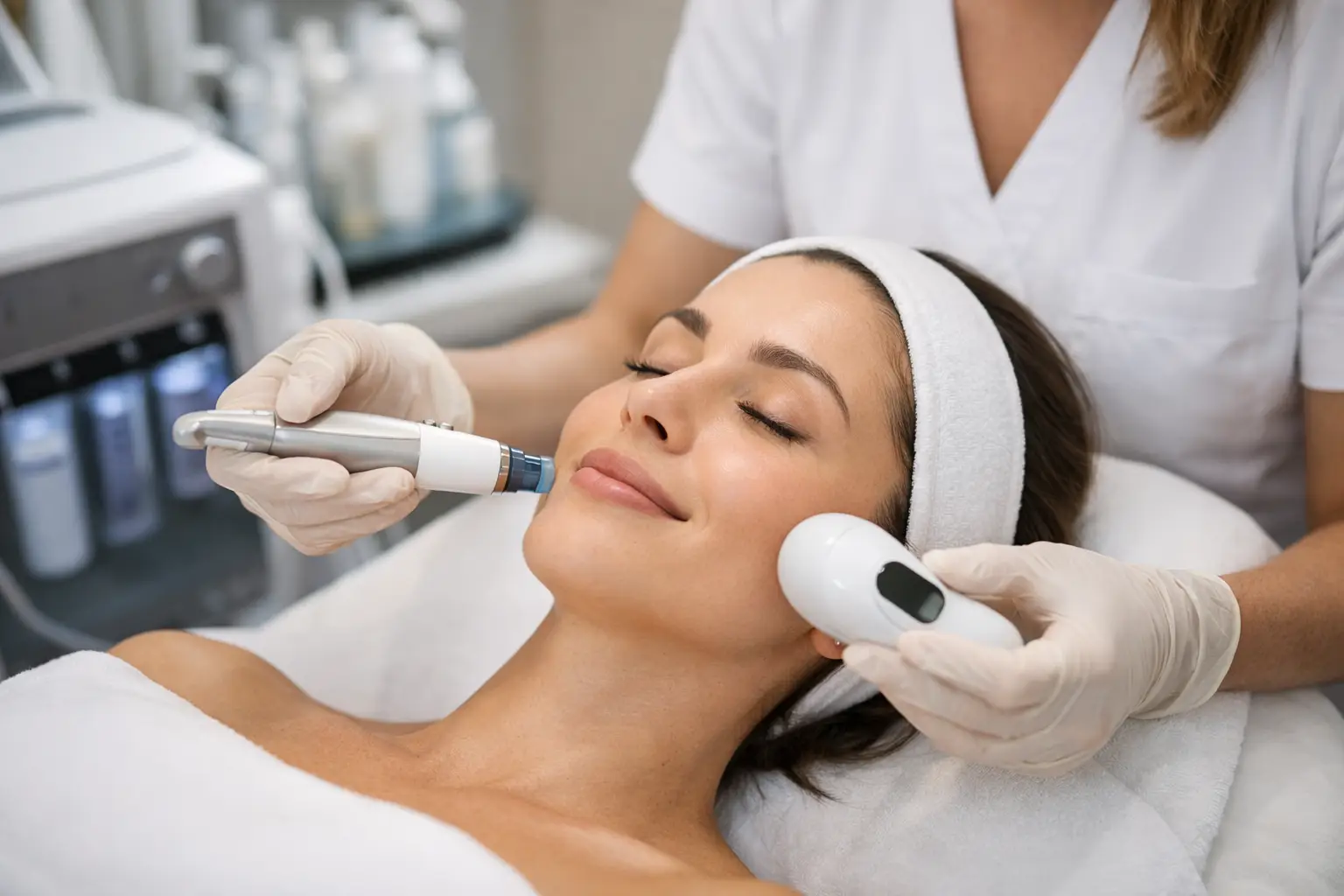
A facial should do more than leave your skin feeling temporarily soft. The right medical facials Stony Brook clients choose are designed around what your skin actually needs: congestion that keeps returning, dullness that makeup cannot cover, fine lines, uneven tone, sensitivity, or a loss of healthy-looking hydration. At a medically supervised aesthetic practice, your treatment starts with your skin, your goals, and a plan that makes sense for your lifestyle.
What Makes a Facial Medical?
A medical facial is not a one-size-fits-all spa service. It is a professional skin treatment performed with a closer focus on skin health, product selection, exfoliation level, and visible improvement. The goal may be brighter skin before an event, a clearer complexion, or ongoing maintenance that supports more advanced treatments such as microneedling, laser rejuvenation, or injectables.
The difference is in the customization. Your provider considers factors that change how skin should be treated, including your skin type, current products, history of breakouts, pigmentation concerns, recent sun exposure, and whether you are using prescription skincare or retinoids. This approach helps avoid treating dry, reactive skin as though it needs aggressive exfoliation, or treating congested skin with products that are too heavy.
Medical facials can include professional cleansing, extractions when appropriate, exfoliation, masks, hydration support, and targeted products selected for your concerns. The exact steps vary. A client with visible dryness and sensitivity needs a different approach than someone managing oily skin and clogged pores.
The Concerns Medical Facials Can Address
Healthy-looking skin is rarely about one concern alone. Many adults notice that their complexion has become less even, more dehydrated, or harder to manage as seasons, stress, hormones, and skincare habits change. A well-planned facial can support several common goals at once.
Dullness and Uneven Texture
Dead skin cells can leave the complexion looking flat and can make makeup sit unevenly. Professional exfoliation can refresh the surface of the skin and improve the appearance of texture. The key is choosing the right intensity. More aggressive is not always better, especially for sensitive skin or deeper skin tones prone to post-inflammatory hyperpigmentation.
Congestion and Breakouts
Clogged pores, blackheads, and occasional breakouts can affect adults at every age. A customized facial may include thorough cleansing, targeted exfoliation, and careful extractions to help reduce visible congestion. For persistent or cystic acne, a facial can be a helpful part of a broader skincare strategy, but it should not replace evaluation by a medical professional when needed.
Dryness and Dehydration
Skin can feel tight and still produce oil. That is one reason professional assessment matters. Dehydrated skin often needs barrier-supporting care rather than repeated harsh scrubs or drying products. Hydrating facials can help the skin look smoother, plumper, and more comfortable while supporting a healthier moisture balance.
Early Signs of Aging
Fine lines, rough texture, and a tired-looking complexion often respond well to consistent professional skincare. Facials do not replace surgical procedures or deliver the same result as deeper resurfacing treatments, but they can improve surface radiance and help maintain the results of other aesthetic services. For clients who want visible improvement with little to no downtime, that makes them a practical option.
Your Treatment Should Not Be the Same as Everyone Else's
The most effective facial is not necessarily the most expensive or the most intensive. It is the one that matches your current skin condition and your treatment goals.
Before treatment, a qualified provider should ask about your concerns, skincare routine, allergies, recent procedures, and medications. Certain active ingredients and treatments can make skin more sensitive. If you have recently had a laser procedure, chemical peel, microneedling session, or significant sun exposure, your facial plan may need to be adjusted or postponed.
At Elite Laser Center, facial care is approached as part of a larger, personalized aesthetic plan. Some clients want a single refreshing treatment before a wedding, vacation, or professional event. Others benefit most from regular appointments that support clearer, more hydrated, and more polished-looking skin over time. Both goals are valid, but they call for different recommendations.
What Results Can You Expect?
Many clients see an immediate improvement in softness, hydration, and glow after a medical facial. Skin often looks cleaner and more refreshed because surface buildup has been removed and targeted products have been applied professionally.
Longer-term changes depend on the concern being treated and how consistently you care for your skin between visits. Texture, congestion, and uneven tone generally improve through a thoughtful routine rather than a single appointment. Your provider may recommend medical-grade skincare, periodic facials, or a combination of treatments based on the level of correction you want.
There is a trade-off to consider. A gentler, hydrating facial typically has little downtime but produces more subtle results. A stronger exfoliating treatment may offer more noticeable resurfacing but can involve temporary redness, flaking, or sensitivity. The right choice depends on your skin, your schedule, and how quickly you need to return to work, social plans, or sun exposure.
Preparing for a Medical Facial
A little preparation helps your provider treat your skin safely and effectively. Avoid excessive sun exposure before your appointment, and let your provider know if you are using retinol, exfoliating acids, prescription acne medication, or any new skincare product. Do not schedule a strong facial immediately before an important event unless your provider specifically recommends it for your skin.
Arrive ready to discuss what has and has not worked for you. Bring up recurring breakouts, redness, dark spots, irritation, or reactions to products. Honest details lead to better treatment choices.
After your facial, your skin may be more responsive than usual. Follow the aftercare instructions you receive, keep your routine gentle, use sunscreen daily, and avoid picking at your skin. If extractions were performed, resisting the urge to touch treated areas can make a real difference in how your skin recovers.
When a Facial Is Not Enough
Facials are valuable for maintenance, hydration, and surface-level refinement, but some concerns need a more targeted solution. Deep acne scarring, significant laxity, pronounced wrinkles, stubborn pigmentation, and severe acne may require treatments such as microneedling, laser skin rejuvenation, skin tightening, or medical evaluation.
That does not make facials less worthwhile. It means the best plan is honest about what each treatment can achieve. A reputable provider will explain whether a facial is the right first step, a useful maintenance service, or simply not the most efficient option for your goal.
Why Medical Supervision Matters
Your skin is not a trend. It deserves care based on professional judgment, especially if you have sensitive skin, melasma, a history of pigmentation changes, or are combining multiple aesthetic treatments. Medical oversight helps ensure that product choices and treatment intensity are appropriate for your individual needs.
For Long Island clients, this also means convenience without sacrificing expertise. You can build a plan that fits a busy schedule while receiving care in a professional setting focused on safety, comfort, and visible results.
The right facial appointment should leave you with more than a temporary glow. It should give you a clearer understanding of your skin, a realistic path toward your goals, and confidence that your next step is the right one.