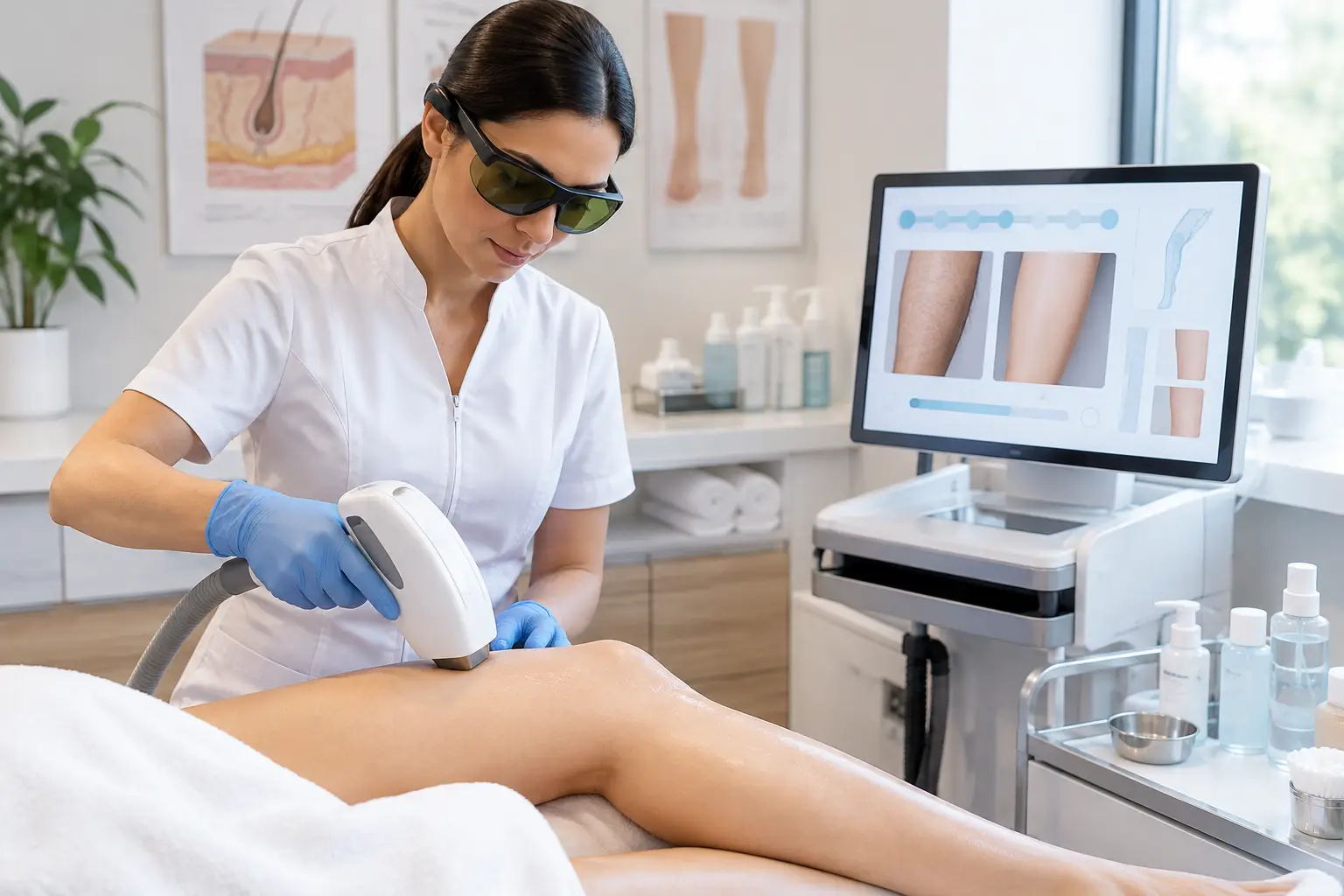
Shaving in the morning only to feel stubble by dinner is frustrating. Waxing can mean planning around regrowth, irritation, and repeat appointments. Laser hair results offer a different path: a long-term reduction in unwanted hair that can make everyday routines easier and skin feel smoother between visits.
The key is setting the right expectations. Laser hair removal is not a one-appointment fix, and results are not identical for every person or body area. With the right technology, proper treatment timing, and a plan tailored to your skin and hair, many clients see a noticeable reduction in hair growth and spend far less time managing unwanted hair.
What Laser Hair Results Really Mean
Laser hair removal targets pigment in the hair follicle during its active growth phase. The light energy heats the follicle to disrupt its ability to produce new hair. Because only some hairs are actively growing at any one time, a series of treatments is necessary to address the follicles as they enter the right phase.
That is why real laser hair results are measured in reduction, not an unrealistic promise that every single hair will disappear forever after one session. Treated hair commonly grows back finer, lighter, and more slowly. Over a completed series, many areas become significantly smoother, with less dense regrowth and fewer ingrown hairs.
Results can be especially meaningful for people who are tired of shaving their legs, underarms, bikini line, back, chest, or face on a constant schedule. A professional consultation helps determine whether laser treatment is a strong match for your hair color, skin type, medical history, and goals.
When Will You Start Seeing a Difference?
Most clients do not leave their first appointment completely hair-free. Instead, the treated hairs often begin to shed over the following one to three weeks. It can look like hair is growing at first, but gentle exfoliation, when recommended by your provider, may help the treated hairs release from the skin.
Many people notice slower or patchier regrowth after the first two or three sessions. More visible reduction usually develops as the full treatment series progresses. The exact timeline depends on the treatment area, your hair growth cycle, hormones, and the contrast between your hair and skin.
Facial areas may be treated more frequently than larger body areas because their growth cycles can move faster. Legs, back, and other body areas are often spaced farther apart. Your provider will set the schedule that gives each treatment the best chance to target new active-growth follicles.
The treatment series matters
Stopping after one or two appointments can lead to disappointing results, even if the treatment itself was performed well. Laser hair removal works as a process. Consistency is what allows the provider to treat follicles across multiple growth cycles.
A personalized series may include several sessions, followed by occasional maintenance treatments if needed. Hormonal changes, genetics, and certain medications can influence future hair growth. This does not mean treatment failed. It means your plan should account for your body rather than follow a one-size-fits-all schedule.
What Affects Your Results?
The best candidates are not defined by one skin tone or one hair type. Modern FDA-cleared laser technology can safely treat a broad range of skin types when it is selected and operated correctly. Still, results depend on the relationship between the hair, the skin, and the device settings.
Dark, coarse hair often responds very well because it contains more pigment for the laser to target. Fine hair can be more challenging, and very light blond, gray, white, or red hair may not respond as predictably. An honest consultation should explain what is realistic before you invest in a package.
Your preparation also matters. Avoid tanning and sun exposure before treatment because changes in skin pigment can affect safety and settings. Shave the area as instructed, but do not wax, tweeze, or use depilatory creams that remove the hair root before your session. The laser needs the follicle pathway intact to do its job.
After treatment, protect the area from direct sun exposure and follow your provider's aftercare instructions. Temporary warmth, redness, or small bumps around follicles can occur and typically fade quickly. A medically supervised setting provides the added reassurance of proper assessment, treatment parameters, and guidance if you have questions.
Areas Where Clients Often See Major Benefits
Underarms and bikini areas are popular because the routine of shaving can be frequent and irritating. Laser treatment can reduce the cycle of stubble, razor burn, and ingrown hairs, making these areas easier to maintain.
Legs are another high-value treatment area for clients who want to spend less time shaving. Because legs cover a larger surface area, completing a series can feel like a major lifestyle upgrade. Men often choose the back, chest, shoulders, or neck to reduce dense growth and make grooming more manageable.
Facial hair treatment can be transformative for the right candidate, particularly when unwanted chin or upper-lip hair affects confidence. However, facial hair can be influenced by hormones, so some clients need ongoing maintenance to preserve their preferred level of reduction. A responsible provider will discuss that possibility from the beginning.
Why Technology and Experience Change the Outcome
Not all laser hair removal is the same. The device must be appropriate for your skin type and hair characteristics, and the treatment settings must be selected carefully. Using unsuitable settings can compromise comfort, safety, or effectiveness.
At Elite Laser Center, treatment plans are designed around the individual, with nurse-performed or nurse-supervised care and technology selected to treat all ethnic skin types. That level of oversight matters, especially for clients with deeper skin tones, a history of sensitivity, or concerns about pigmentation.
The goal is not simply to move quickly through an appointment. It is to deliver safe, effective treatment with settings that support visible reduction while respecting your skin. A knowledgeable provider will also adjust your plan when needed, based on how your hair responds over time.
How to Judge Your Own Progress
Photos can be helpful, especially for areas where changes are gradual. Take them in similar lighting before you begin and again after several sessions. Beyond appearance, pay attention to practical changes: Are you shaving less often? Is hair coming in softer? Are ingrown hairs less common? Do you feel more comfortable in the clothes you want to wear?
Progress is not always perfectly even. One section of an area may respond faster than another because hair density and growth timing vary. Let your provider know what you are seeing rather than assuming uneven early results are permanent. Adjustments may be possible within your treatment plan.
It is also wise to be cautious about dramatic promises. A reputable practice should be confident about the benefits of laser hair removal without implying that every client will have the identical outcome. Your starting point, treatment consistency, and biology all play a role.
Is Laser Hair Removal Worth It?
For many clients, the value is less about never thinking about hair again and more about gaining time, comfort, and confidence. The upfront investment can be higher than a razor or a wax appointment, but repeated shaving supplies, waxing visits, and the effort of constant upkeep add up over time.
If you want long-term hair reduction, choose a provider who explains the process clearly, evaluates your skin and hair honestly, and offers a plan you can realistically complete. A free consultation is the right place to ask about expected sessions, comfort options, pricing, maintenance, and whether a treatment guarantee applies to your package.
The most satisfying results begin with realistic expectations and continue with a treatment plan built for your skin, your hair, and the way you want to feel every day.