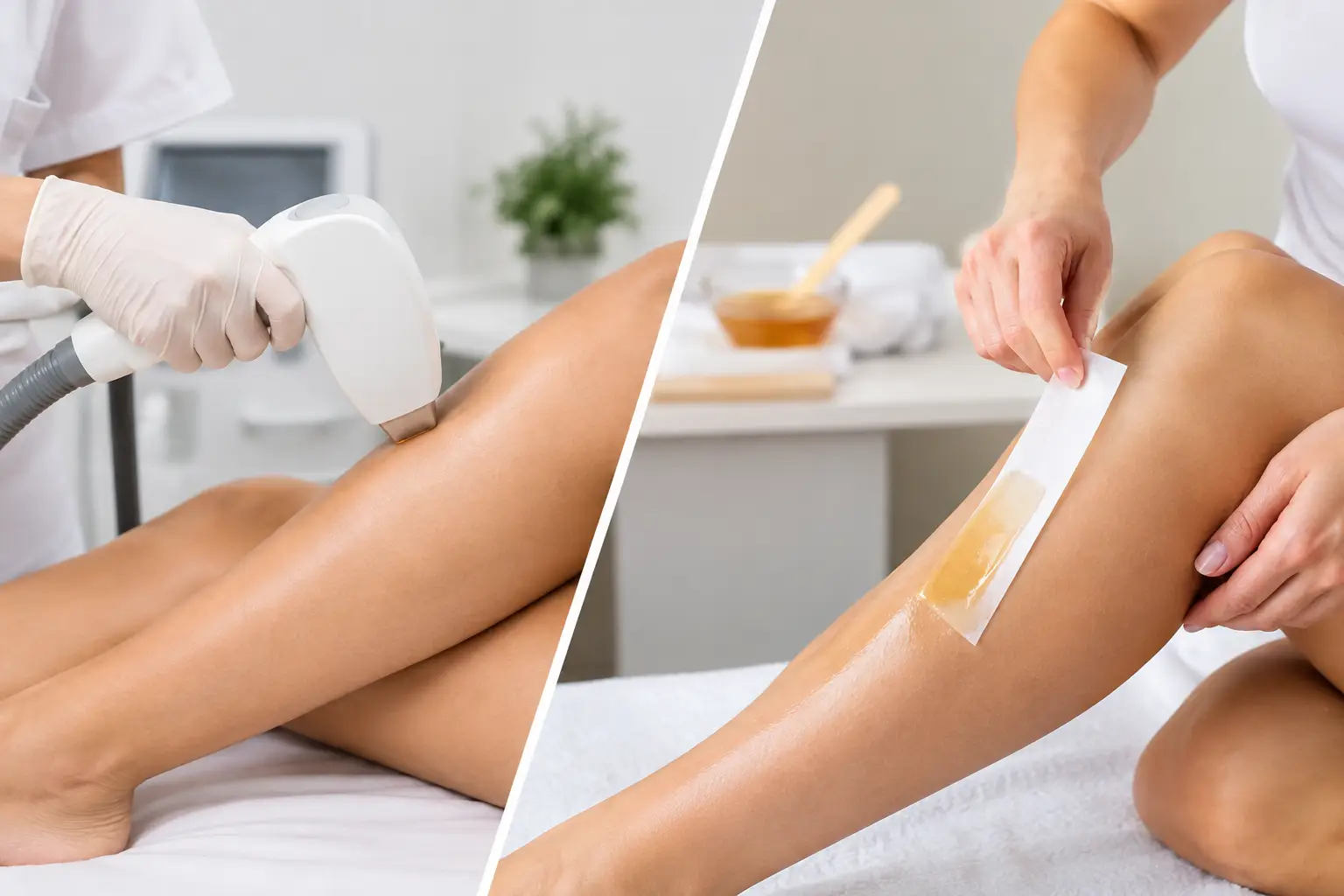
A beach weekend, a last-minute dinner reservation, a business trip—unwanted hair rarely follows a convenient schedule. When comparing laser hair removal vs waxing, the real question is not simply which method removes hair today. It is which one fits your comfort level, budget, skin, and long-term routine.
Waxing delivers a smooth result quickly, but it requires repeat appointments and enough regrowth between visits. Laser hair removal is designed to reduce hair growth over a series of treatments, making it an appealing option for people who are tired of planning around waxing appointments, razor bumps, and constant upkeep. The right choice depends on your goals, but the difference becomes clearer when you look beyond the first appointment.
Laser Hair Removal vs Waxing: The Core Difference Waxing removes hair from the root using wax. Because the follicle remains active, new hair eventually grows back. Appointments are generally repeated every few weeks, depending on the treatment area and individual hair growth.
Laser hair removal uses focused light energy to target pigment in the hair. That energy becomes heat, damaging structures within the follicle that produce hair and helping reduce future growth. Treatment is most effective when hair is in its active growth stage. Since not every follicle is in that stage at the same time, a series of treatments is necessary. Appointments are spaced according to the treatment area, hair-growth cycle, and individual response.
That distinction matters. Waxing is temporary hair removal. Laser treatment is long-term hair reduction, not a promise that every single hair will disappear forever. Many clients experience less regrowth, with remaining hair becoming finer or less noticeable. Learn more about the treatment process on our laser hair removal page.
Which Option Gives You Longer-Lasting Results? Waxing can leave skin smooth for a few weeks, often longer than shaving. It does not reliably prevent future hair growth, so the maintenance cycle continues.
Laser hair removal requires more patience at the start. You will not walk out of one session permanently hair-free. Treated hairs shed gradually over the following days or weeks, and later sessions treat additional hairs as they enter the active growth phase. After the initial series, some clients need follow-up treatments to maintain their reduction. The amount of additional treatment varies with individual response, hormonal influences, and the area treated.
For someone who wants smooth underarms for an upcoming event, waxing may be the more immediate option, provided the skin is suitable for waxing and there is time for any irritation to settle. For someone who wants to reduce bikini-line maintenance over the next several years, laser hair removal may be a more practical long-term option when their skin and hair are suitable for treatment.
Cost: One Appointment vs. Years of Maintenance A single waxing appointment often costs less than a laser session, but comparing one visit does not show the whole picture. Repeat appointments for legs, bikini, underarms, facial hair, or multiple areas can add up over time.
Laser hair removal typically involves a higher initial commitment because treatment is planned as a series. A reduced need for waxing or shaving may make the long-term cost more attractive for some clients, but savings are not guaranteed. Compare the treatment area, complete package price, expected follow-up needs, and the cost of your current routine rather than looking only at a single appointment.
At Elite Laser Center & Med Spa in Stony Brook, our three-year Elite Laser Hair Removal Package includes nine initial treatments and, when needed, up to nine additional follow-up treatments at no extra charge during the three-year package period—up to 18 treatments altogether. Not every client needs every available session. The package provides additional treatment opportunities, not a guarantee that every hair will disappear permanently. During your consultation, we review your suitability, treatment schedule, package details, and expected results.
Comfort: What Does Each Treatment Feel Like? Neither option is guaranteed to be sensation-free. Waxing involves pulling hair from the root, which can feel sharp or intense, especially on sensitive areas such as the bikini line, upper lip, or underarms. Skin may be red and tender afterward.
Laser treatment can feel like brief snapping, tingling, or gradual warmth. The experience depends on the technology, treatment area, hair density, settings, and individual sensitivity.
Elite uses Lumenis LightSheer and Alma Soprano technologies. LightSheer technology includes contact cooling or vacuum-assisted features, depending on the system and handpiece. Alma Soprano's SHR technology delivers energy gradually through repeated passes, with cooling designed to support comfort and protect the skin surface. Your provider can explain which approach is appropriate for you and what sensations to expect.
Discuss any concerns about discomfort during your consultation. Your provider should explain the proposed treatment approach, how it will be tailored to your skin and hair, and what can be done to help manage discomfort. Comfort varies, and treatment should not be presented as painless for everyone.
Skin Concerns, Ingrown Hairs, and Irritation Waxing can be effective, but it may cause irritation, inflamed hair follicles, ingrown hairs, or sensitivity. People with coarse or curly hair may be particularly familiar with recurring bumps. Appropriate aftercare can help, but it does not eliminate every risk.
Laser hair removal may help some people who experience recurring razor bumps or ingrown hairs by reducing the amount of hair that grows back and the need for frequent hair removal. It does not treat every cause of irritation or replace evaluation of a skin condition. Persistent or painful bumps should be assessed rather than assumed to be simple ingrown hairs.
Safety depends on more than the machine itself. Appropriate laser selection, individualized settings, a thorough skin assessment, and experienced treatment providers all matter. Tell your provider about recent sun exposure, medications, skincare products, pregnancy, skin conditions, and any history of pigmentation changes before treatment.
Laser hair removal also has risks. Temporary redness, swelling, and discomfort can occur. Burns, blistering, skin-color changes, and scarring are also possible, and some pigment changes can be lasting. Appropriate treatment selection, experienced providers, and following preparation and aftercare instructions help reduce these risks. The American Academy of Dermatology explains laser hair removal side effects and safety considerations.
Can Laser Hair Removal Treat Every Skin Tone? Advanced laser technology has expanded options for a broad range of skin tones, but suitability should never be assumed. The laser targets pigment, so skin tone, hair color, hair thickness, recent tanning, and the choice of device and settings all influence treatment planning.
A qualified provider should evaluate your skin, hair, medical history, and treatment area before recommending a plan. Very light blond, gray, white, or red hair may respond poorly or not at all because it lacks enough of the pigment that laser treatment targets effectively. Mayo Clinic's overview of laser hair removal suitability explains why hair color and skin color matter. An honest consultation is more valuable than a blanket promise.
Preparation Is Different for Each Choice Waxing requires regrowth. Hair needs to be long enough for the wax to grip it effectively, which can mean living with visible hair before an appointment.
Before waxing, tell your provider about retinol, prescription retinoids, acne medications, exfoliating products, and recent skin treatments. These may affect whether waxing is appropriate or require a waiting period. Do not wax sunburned or very sensitive skin. The American Academy of Dermatology's waxing guidance includes precautions about retinoids and skin injury. Discuss any prescription-medication changes with your prescribing clinician rather than stopping medication on your own.
Laser preparation is different. Shave the treatment area as instructed by your provider. Avoid waxing, tweezing, and epilating the area before and between laser sessions because these methods remove the pigmented hair that the laser needs to target. Ask your provider how long to wait after your last waxing appointment before beginning laser treatment.
For laser services, avoid tanning and disclose recent sun exposure before every appointment. Follow your provider's sun-protection instructions and our laser preparation and aftercare information. Your individualized instructions take priority over a general article.
Who Is Waxing Best For? Waxing may be a better fit when you prefer temporary hair removal without committing to a treatment series, or when your hair color is unlikely to respond well to laser. It may also suit an upcoming event, provided you allow for possible redness or sensitivity and have no reason to avoid waxing.
The trade-off is the ongoing schedule. You need regrowth before each visit, and you will continue paying for appointments as long as you want the area waxed. For some people, that routine is perfectly acceptable. For others, it becomes a time-consuming frustration.
Who Is Laser Hair Removal Best For? Laser hair removal may suit women and men who want to reduce ongoing maintenance on areas such as the underarms, legs, bikini line, back, chest, or suitable areas of the face. For Long Island clients considering treatment, the first step is an assessment of skin tone, hair characteristics, medical history, and expectations.
It may also be worth discussing when coarse regrowth, frequent shaving, or recurring ingrown hairs make temporary methods frustrating. Treatment requires a series of appointments, sun protection, and realistic expectations. Additional maintenance may be needed, and the extent and duration of reduction vary from person to person.
Make the Choice Based on Your Routine, Not Just Today Waxing provides temporary removal. Laser hair removal aims for longer-term reduction. Neither is the right choice for everyone. Consider how often you currently shave or wax, how your skin reacts, your budget, and whether you are ready to commit to a treatment series.
At Elite Laser Center & Med Spa, a personalized consultation is an opportunity to assess your skin and hair, discuss treatment options, and review the three-year Elite package. With realistic expectations and an individualized plan, laser hair removal may make unwanted hair easier to manage and reduce time spent on routine hair removal. Some ongoing maintenance may still be needed.
Ready to explore your options? Request a free laser hair removal consultation in Stony Brook or call (631) 675-2500.
This article provides general information and does not replace an individualized consultation. Treatment suitability, results, and maintenance needs vary.