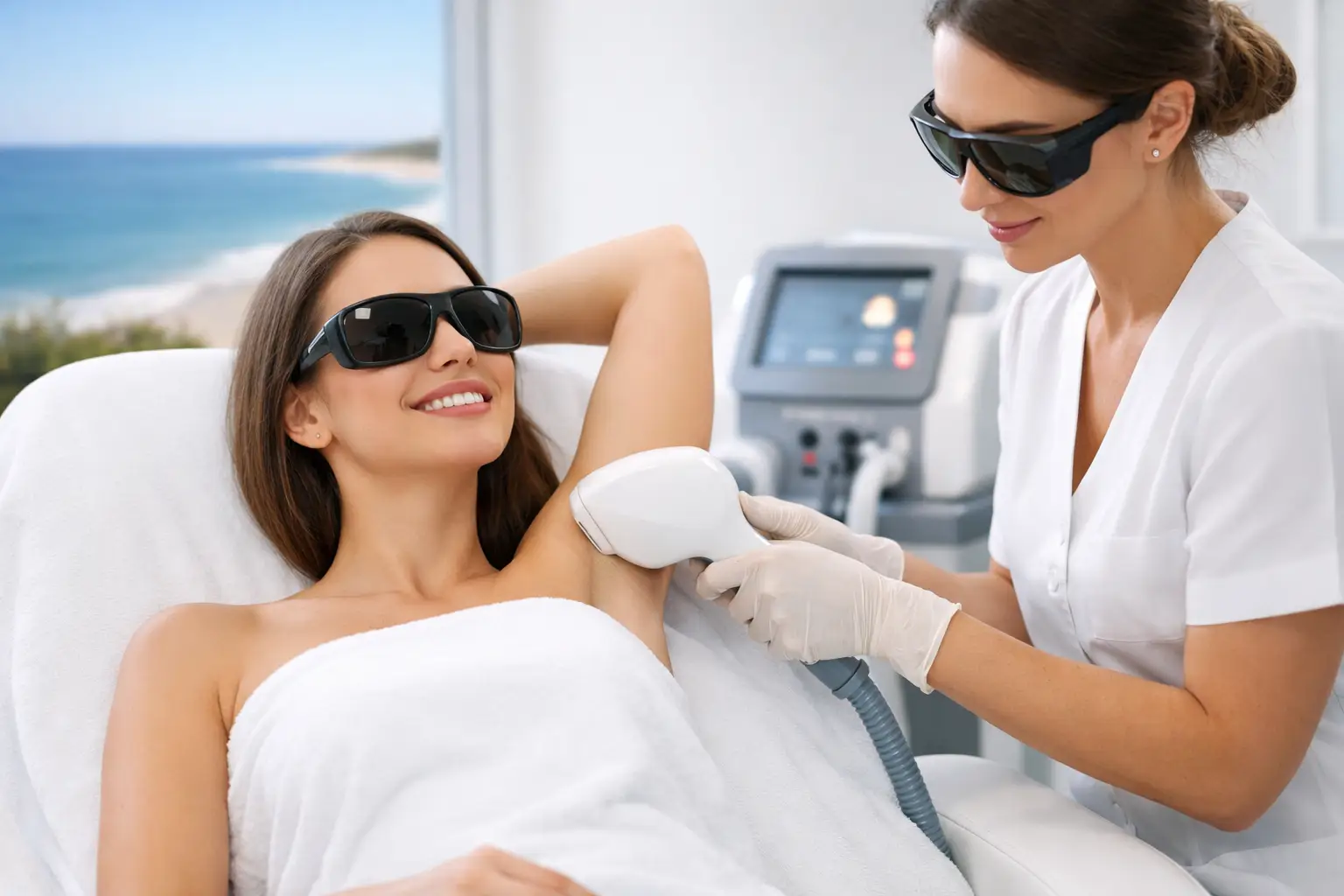
Shaving before work, scheduling waxes before every vacation, and dealing with razor bumps afterward can make unwanted hair feel like a full-time responsibility. Laser hair removal Long Island clients choose is designed to replace that cycle with a more lasting, convenient solution - with personalized care, professional technology, and a treatment plan built around your skin, hair, and goals.
At Elite Laser Center in Stony Brook, laser hair removal is performed with a focus on safety, comfort, and visible reduction. Whether you want smoother underarms, a cleaner bikini line, less facial hair, or freedom from constant leg shaving, the right approach begins with a professional consultation, not a one-size-fits-all package.
Laser Hair Removal Long Island: Is It Worth It?
For many people, the value is not simply in having less hair. It is in getting time back. Laser hair removal can reduce the need for daily shaving, frequent waxing appointments, irritating depilatory creams, and the ingrown hairs that often come with traditional methods.
The treatment works by directing controlled laser energy toward pigment in the hair follicle. The follicle absorbs that energy, which helps disrupt its ability to produce new hair. Because hair grows in cycles, only hairs in the active growth phase respond effectively during a session. That is why a series of treatments is needed for the best reduction.
Results vary based on hair color, hair density, skin tone, hormones, and the area being treated. Dark, coarse hair often responds especially well, but advanced laser technology and careful settings allow trained providers to treat a wide range of hair and skin types. A consultation is where those details matter most.
Laser hair removal is an investment, but it can be a practical one. Add up years of razors, waxes, salon appointments, and the time spent maintaining unwanted hair, and a treatment package can make sense for clients who want longer-lasting smoothness. Elite Laser Center offers a three-year guarantee on laser hair removal packages, giving clients added confidence in their long-term plan.
What Areas Can Be Treated?
Almost any area with unwanted hair can be considered, provided it is appropriate for laser treatment. Popular areas include the face, chin, upper lip, underarms, arms, legs, bikini line, Brazilian area, back, chest, abdomen, and shoulders.
Smaller areas can be a smart starting point for first-time clients who want to see how their skin responds. Larger areas, such as full legs or the back, can offer meaningful convenience for people who are tired of extensive shaving or waxing routines. Many clients combine areas so their schedule and treatment plan feel more efficient.
There are limits. Laser hair removal is not intended for the eyebrows or areas too close to the eyes. It also does not treat hair with no pigment, such as white or gray hair, as effectively because the laser needs pigment to target the follicle. Honest guidance during a consultation helps set the right expectations before treatment begins.
Your First Appointment: Simple, Professional, Personalized
A quality laser hair removal appointment should never feel rushed. Before treatment, your provider reviews your medical history, medications, skin type, hair characteristics, and any recent sun exposure or tanning. These factors help determine whether treatment is right for you and which settings are appropriate.
You will also discuss the areas you would like treated, the number of sessions likely needed, preparation instructions, pricing, and expected results. This is the time to ask direct questions about comfort, downtime, maintenance sessions, and your provider's experience treating your skin type.
Treatment itself is usually quick. An upper lip may take only minutes, while larger areas naturally take longer. Clients often describe the sensation as a brief snap of warmth against the skin. Modern cooling methods and properly selected settings can make the experience far more comfortable than many people expect.
Medical oversight matters. A nurse-performed or nurse-supervised setting provides an added level of reassurance, particularly when treating sensitive areas or clients with more complex skin concerns. The goal is not to use the highest possible setting. The goal is to use the right setting for effective hair reduction while protecting the skin.
How Many Sessions Will You Need?
Most clients need multiple treatments, often spaced several weeks apart, because follicles do not all enter the active growth phase at once. The exact number depends on the treatment area, hair growth pattern, hormone levels, and individual response.
Facial hair can sometimes require more ongoing attention because it may be influenced by hormonal changes. Areas with dense, dark hair may show noticeable reduction early in a series, while finer hair can take more patience. Your provider should explain what is realistic for your specific situation rather than promise identical results for every client.
After completing an initial package, some clients choose occasional maintenance treatments. That does not mean the original treatment failed. Bodies change, hormones shift, and new follicles may become active over time. Maintenance is simply a way to preserve smooth results when needed.
Preparing for Laser Hair Removal
Preparation protects your skin and helps your treatment stay on schedule. Avoid tanning, self-tanner, and significant sun exposure before your appointment, since tanned skin can affect treatment settings and may require a delay. Tell your provider about every medication and skincare product you use, especially those that can increase light sensitivity.
You will generally be asked to shave the treatment area shortly before your session. Shaving keeps the hair shaft short while preserving the follicle under the skin, which is the laser's target. Waxing, tweezing, threading, and epilating should be avoided beforehand because they remove the hair from the follicle.
Come to your appointment with clean skin free of heavy lotions, deodorant, makeup, or fragrance on the treatment area when possible. Your provider will give instructions tailored to your service, so follow their guidance over general advice you may see online.
Aftercare: Protect the Skin While It Settles
Mild redness or a warm sensation can occur after treatment, especially around sensitive follicles. This is typically temporary. A cool compress and gentle skincare can be helpful, while hot baths, saunas, intense exercise, and direct sun exposure may be best avoided for a short period, depending on the area treated and your provider's instructions.
Do not pick at the skin or pull at hairs that appear to be growing after a session. In the days and weeks following treatment, treated hairs often begin to shed naturally. It can look like regrowth at first, but this shedding is a normal part of the process.
Sunscreen is essential for exposed areas. Protecting treated skin supports a more even recovery and helps reduce the chance of unwanted pigment changes. If you experience unusual or prolonged irritation, contact your treatment provider promptly for guidance.
Why Technology and Experience Matter
Not every laser hair removal experience is the same. The device, the person operating it, the settings selected, and the consultation process all influence safety and results. A discounted appointment can sound appealing, but value should include more than the initial price. Look for advanced, FDA-cleared technology, medically guided care, experience with diverse skin types, transparent package details, and a provider who is willing to adjust the plan as your skin responds.
For Long Island clients, convenience also counts. Choosing a local, established office makes it easier to maintain your treatment schedule, ask questions between appointments, and return for maintenance when desired. Consistency is part of getting the best possible outcome.
Smooth skin should not require a drawer full of razors or another last-minute wax before every event. A personalized consultation can give you clear answers about your options, your expected timeline, and the treatment plan that fits your confidence goals.