Elite Laser Center & Med Spa | Stony Brook, NYIs RF Microneedling Painful? What to Expect Before and After
RF microneedling can sound intimidating: tiny needles, heat beneath the skin, and the possibility of smoother, firmer-looking skin. So, is RF microneedling painful? It can be uncomfortable. Topical numbing can help reduce pain, but no provider should promise a completely painless experience. [1]
The important questions are how your treatment will be performed, how discomfort will be managed, and whether the potential benefits justify the risks for you. A consultation should address all three, without pressuring you to proceed.
What Does RF Microneedling Feel Like?
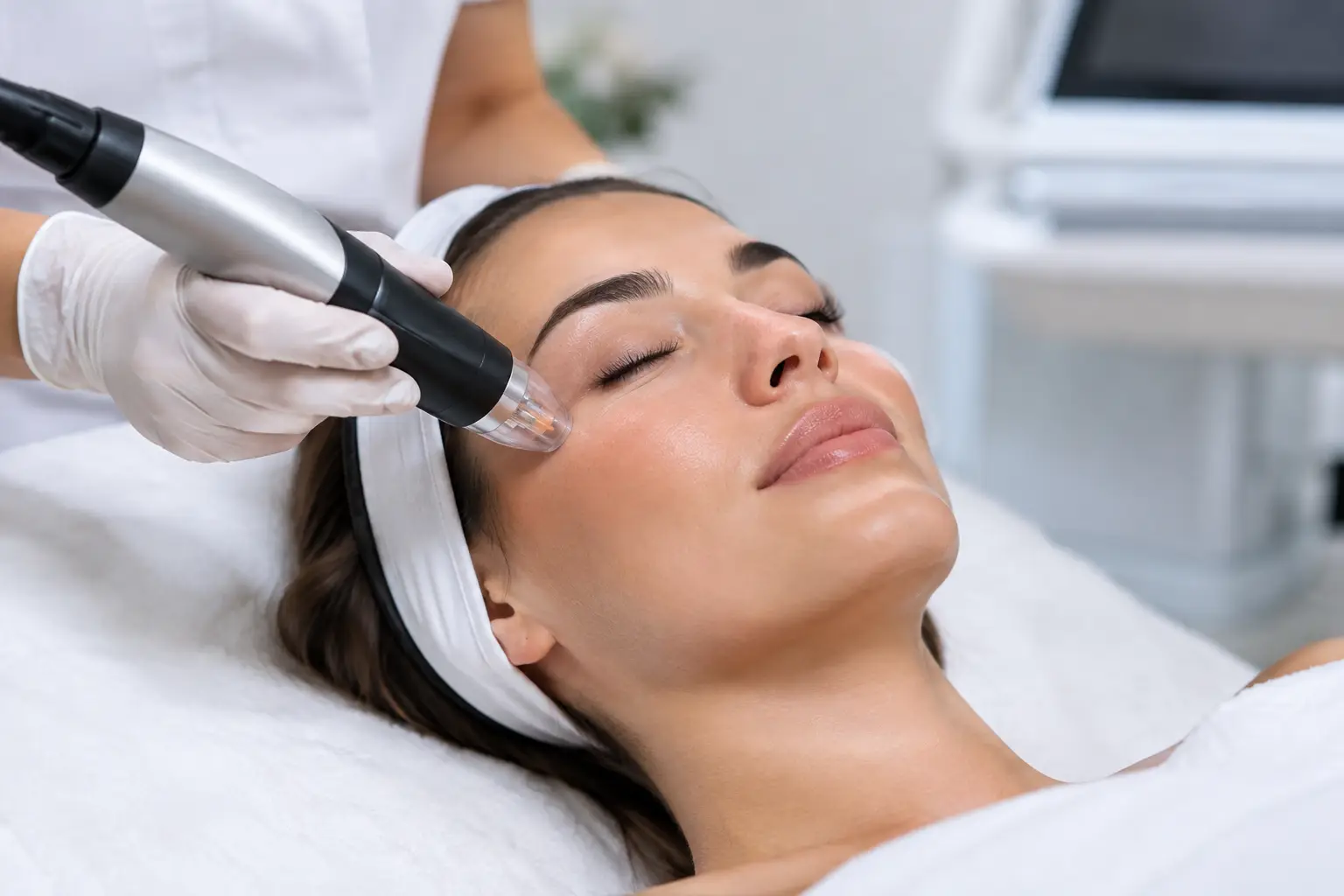
Unlike conventional microneedling, RF microneedling uses small needle-like electrodes to deliver radiofrequency energy into the skin, creating localized heat. [2] Depending on the device and treatment, this controlled tissue response is intended to support skin remodeling and improvements in texture or firmness. [5]
You may notice warmth, pressure, or brief prickling sensations. Some areas can feel more sensitive than others, particularly near bony parts of the face. Your experience may also differ from someone else's, even when the same type of treatment is used. [4]
You should not feel obligated to tolerate intense discomfort in silence. Tell your provider when something feels unexpectedly painful so they can pause and reassess.
What Affects Comfort During Treatment?
The treatment area, device, selected settings, and your individual sensitivity all matter. Different RF systems and treatment combinations are not interchangeable, so an online description of one procedure may not accurately describe the treatment being recommended for you. [5]
Ask why the proposed approach is appropriate for your concern. More aggressive treatment is not automatically the better choice. The consultation should explain the expected benefit, recovery, and risks of the recommended plan, rather than treating discomfort as proof that a procedure is working.
How Does Numbing Cream Help?
A provider may apply topical anesthetic before treatment and allow time for it to take effect. Numbing can reduce the sharpness of the sensation, but you may still feel warmth or discomfort. The preparation time depends on the product and the treatment protocol. [4]
Tell your provider about allergies or previous reactions to numbing medication. Do not apply your own numbing cream before an appointment unless specifically instructed. Ask what comfort measures are planned and what happens if the treatment becomes difficult to tolerate. [1]
What Can You Expect After RF Microneedling?
Redness, tightness, dryness, tenderness, peeling, and a rough texture can occur after microneedling. Bruising, pinpoint bleeding, or crusting are also possible. Not everyone experiences the same effects. [3]
Allow time for recovery rather than relying on a guaranteed next-day return to normal-looking skin. Visible changes can last several days or longer, and RF treatment combinations can have different recovery patterns. [4][5] Ask for a recovery estimate based on your actual treatment, especially when planning around photographs, travel, or an important event.
What Aftercare Will You Need?
Follow your provider's written instructions. Treated skin can be more sensitive to sunlight and skincare products, including makeup, moisturizers, and sunscreen. Ask which gentle products to use, how to protect your skin from the sun, and when to resume retinoids, exfoliating acids, makeup, and your usual routine. [1]
Do not substitute a general online recovery schedule for the instructions given for your procedure. Before leaving, make sure you know whom to contact with questions and how to obtain care outside normal business hours.
Important RF Microneedling Safety Information
In an October 15, 2025 safety communication, the FDA reported serious complications with certain uses of RF microneedling, including burns, scarring, unwanted fat loss, disfigurement, and nerve damage. Some injuries required medical treatment or surgical repair. RF microneedling is a medical procedure and should not be performed at home. [2]
Choose a licensed healthcare provider trained and experienced with the device being used. Seek medical care for concerning symptoms after treatment; do not dismiss blistering or severe, worsening pain as routine recovery. [2][4]
Who Should Discuss Additional Precautions?
RF microneedling is not appropriate for everyone. Share your medical history, medications, allergies, previous aesthetic treatments, and pregnancy or breastfeeding status. Active skin infections, bleeding disorders, blood-thinning medication, impaired immunity, poor healing, a history of raised scars, and certain skin conditions can affect suitability. Skin tone and the risk of pigment changes also deserve individualized discussion. [3]
Do not stop prescribed medication on your own to qualify for treatment. Your provider should determine whether to proceed, postpone, or recommend another approach.
Are the Potential Results Worth the Discomfort?
Skin remodeling develops over time, rather than producing a guaranteed instant transformation. Results vary, and more than one treatment or later maintenance may be needed. [5][1]
Whether treatment is worthwhile is a personal decision. Ask what improvement is realistic for your concern, how many appointments may be recommended, what the total cost could be, and how the benefits and risks compare with other options. You should leave the consultation with realistic expectations, not a promise of perfect skin.
Considering RF microneedling at Elite Laser Center & Med Spa? Bring your questions about comfort, recovery, and treatment goals to your consultation. Request a consultation or call (631) 675-2500. This article provides general educational information, not a diagnosis or personalized treatment advice. Individual experiences, recovery times, and results vary. A qualified healthcare provider should assess your suitability for treatment.Explore RF Microneedling in Stony Brook, NY