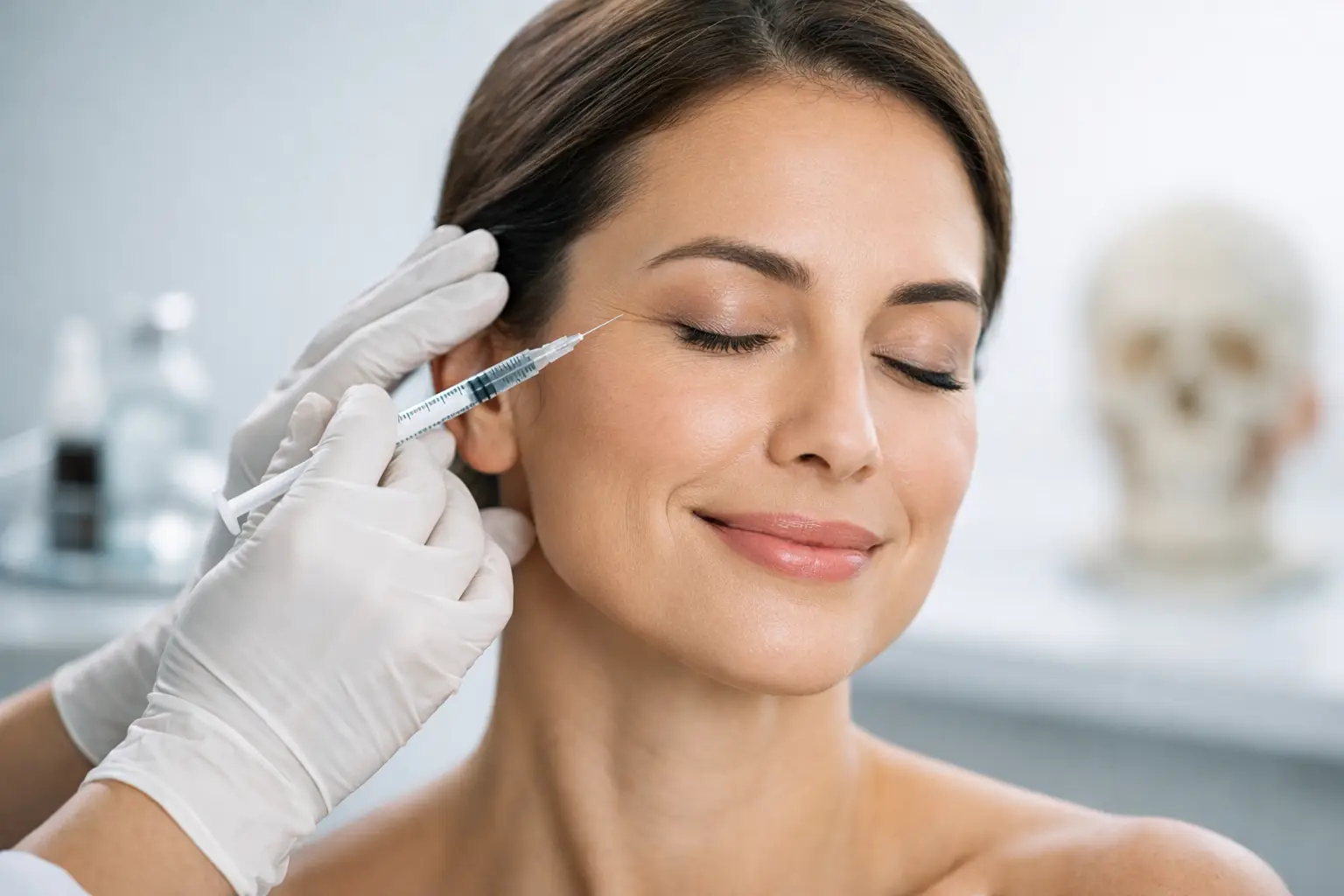
A smooth forehead at 35 can make people wonder what their face will look like at 50 after years of appointments. Is Botox safe long term? For most healthy adults receiving appropriately dosed treatments from a qualified medical injector, Botox Cosmetic has a well-established safety record for ongoing use. But “safe” does not mean one-size-fits-all, and the quality of the treatment plan matters as much as the product itself.
Botox is not a permanent filler and it does not build up in the body after each visit. It is a purified form of botulinum toxin type A that temporarily relaxes targeted muscles. When those muscles contract less strongly, the skin above them can look smoother and expression lines may soften. Results typically wear off over several months, which is why maintenance appointments are needed.
The real long-term question is not simply whether someone can keep getting Botox. It is whether they are getting the right dose, in the right muscles, at the right interval, for their unique facial movement and goals.
Is Botox Safe Long Term With Regular Treatments?
Available clinical experience and research support the long-term use of botulinum toxin type A for cosmetic and medical purposes when it is administered correctly. Botox has been used for decades, not only for frown lines and crow’s feet, but also for medical conditions such as chronic migraine, excessive sweating, muscle spasticity, and certain eye disorders. That long history gives medical providers substantial insight into how the treatment performs over time.
The medication works locally at the injection site and gradually wears off as nerve signaling returns. It is not stored in the muscles, skin, or bloodstream for years. A person who stops treatments does not become “dependent” on Botox in a physical sense. Their muscle movement simply returns, and their untreated lines may become more noticeable compared with the smoother appearance they had grown used to.
Still, no cosmetic procedure should be treated casually. Long-term safety depends on proper patient screening, conservative technique, sterile injection practices, and an injector who understands facial anatomy. Botox purchased from an unverified source or injected by an inexperienced provider is not the same experience as a medically supervised treatment plan.
What repeated Botox may change
With consistent treatment, the targeted muscles may become less active or slightly smaller over time. For many patients, that is a desired effect: less repetitive folding can help prevent dynamic lines from becoming deeply etched into the skin. Some people also find they need fewer units or can go longer between appointments after establishing a treatment routine, though this varies.
The trade-off is that excessive dosing or treating too frequently can create a look that feels overly still, heavy, or less like you. This is particularly relevant in the forehead, where movement helps lift the brows and maintain a rested appearance. More Botox is not automatically better Botox.
An experienced injector should reassess your facial balance at every visit rather than repeating the exact same pattern indefinitely. Your skin, muscle strength, brow position, and aesthetic preferences can change with age. A customized plan protects both safety and natural-looking results.
What Are the Possible Long-Term Risks?
Most Botox side effects are temporary and mild, including redness, pinpoint bruising, swelling, tenderness, or a headache shortly after treatment. These usually resolve quickly. Less common cosmetic complications can include eyelid or brow drooping, asymmetry, or an expression that feels too restricted. These effects are typically temporary but can take several weeks to fully improve.
Serious reactions are uncommon with cosmetic doses, but they deserve attention. Botulinum toxin products carry a warning that effects can, in rare cases, spread beyond the injection area. Symptoms such as trouble swallowing, speaking, breathing, generalized weakness, or significant vision changes require prompt medical attention.
Over many treatments, some people can develop antibodies that make botulinum toxin less effective. This appears to be uncommon in cosmetic use and is more often associated with high doses used for certain medical conditions. Avoiding unnecessarily frequent touch-ups and using appropriate dosing may help reduce that concern.
There is also an aesthetic risk that is easy to overlook: treating one area without considering the rest of the face. A very smooth forehead paired with untreated volume loss, skin laxity, or lower-face changes may not create the refreshed result a patient wants. Botox is excellent for movement-related lines, but it does not replace volume, tighten significant loose skin, or improve every type of wrinkle.
Who Should Be More Cautious About Botox?
A thorough consultation should come before any injection appointment. Botox may not be appropriate for people who are pregnant or breastfeeding, have an active skin infection at the treatment area, have certain neuromuscular conditions, or have had a prior allergic reaction to a botulinum toxin product or its ingredients. Your provider should also review medications and supplements that may increase bruising risk, along with your full health history.
People with naturally low brows, eyelid heaviness, facial asymmetry, or prior facial surgery may still be candidates, but they need a more tailored approach. In these cases, placement and dosage can make a meaningful difference in whether the result looks open and refreshed or feels heavy.
Be direct during your consultation. Mention previous Botox treatments, any unusual reactions, changes in your medical history, and the level of movement you want to keep. A patient who wants a completely frozen forehead needs a different conversation than someone who wants to soften lines while still looking expressive.
Botox and aging: what it can and cannot do
Botox can be part of a smart, long-term anti-aging strategy because reducing repetitive muscle movement may soften existing expression lines and help limit deeper creasing. It does not stop the natural aging process. Sun exposure, collagen loss, genetics, smoking, weight changes, skincare habits, and stress all influence how skin looks over time.
For that reason, the strongest treatment plans are often layered. Daily sunscreen and professional skincare support skin quality. Treatments such as microneedling, skin rejuvenation, or skin tightening may address texture, pigment, and laxity. Botox can then target the muscle movement behind frown lines, forehead lines, and crow’s feet. The right combination depends on what is actually causing the concern.
How to Make Long-Term Botox Treatment Safer
Choosing a qualified provider is the most important decision. Look for a medical setting where injections are performed by, or under the supervision of, properly trained medical professionals. Your injector should be willing to explain the product being used, discuss realistic results, review risks, and say no to treatment that does not fit your face or goals.
It also helps to think in terms of maintenance, not quick fixes. Botox appointments are typically spaced several months apart, not scheduled whenever the first hint of movement returns. Let the treatment settle before judging the result, and do not chase perfection with repeated early touch-ups.
At Elite Laser Center, a personalized consultation helps patients decide whether Botox is the right choice for their concerns and how to preserve natural facial expression. For Long Island patients, medical oversight and thoughtful dosing offer greater confidence than a rushed, bargain-first injection experience.
The best long-term Botox plan should make you look rested, not treated. When your provider respects your anatomy, your health history, and your comfort level, ongoing treatments can remain a practical, effective option that fits naturally into how you want to age.