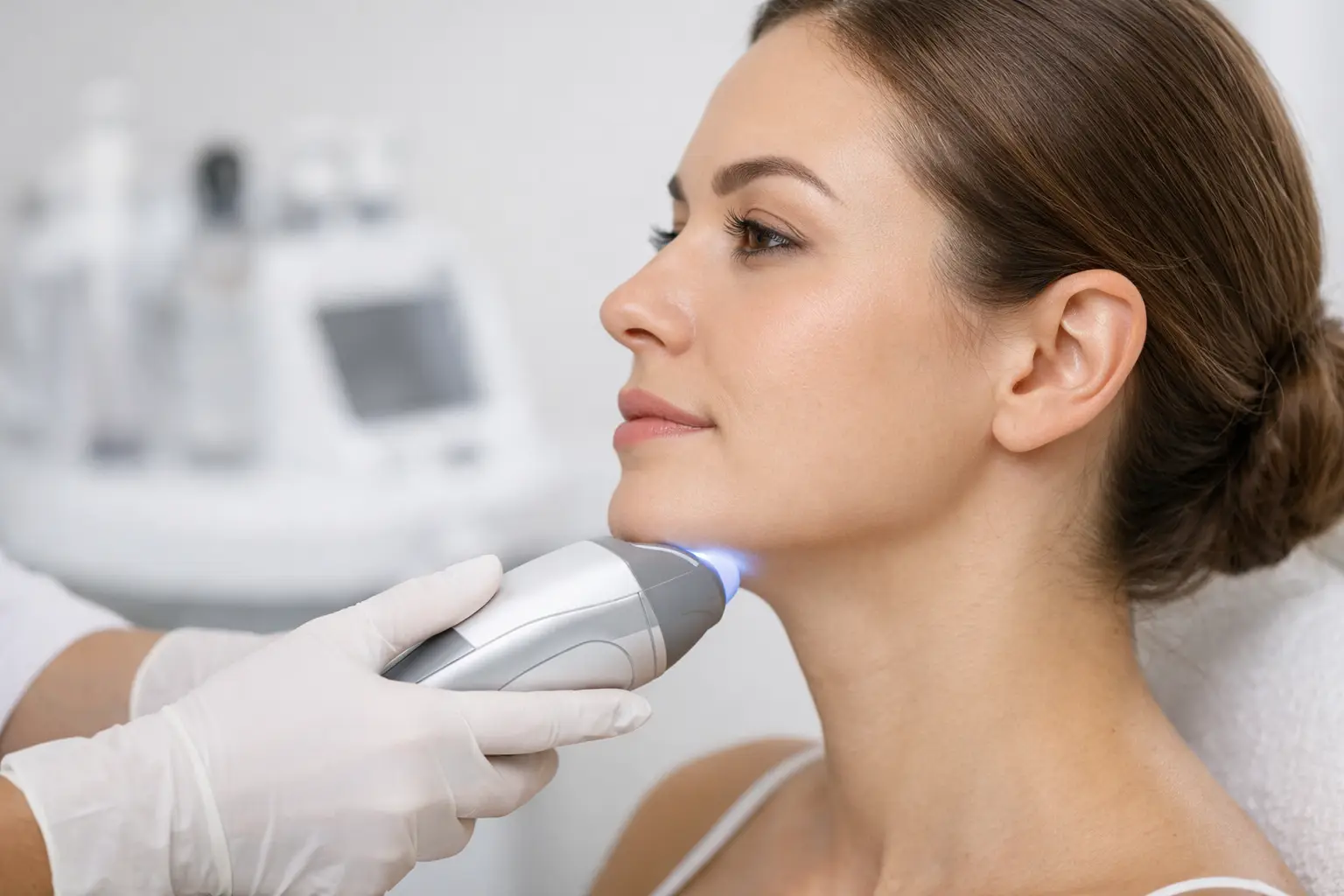
A defined jawline can make a meaningful difference in how balanced and refreshed your profile looks. Yet the small pocket of fullness beneath the chin is often one of the last areas to respond to diet and exercise. If you are researching how to treat stubborn chin fat, the answer is rarely a single at-home trick. The most effective plan starts by identifying whether the concern is truly fat, loose skin, muscle anatomy, or a combination of all three.
For many adults, non-surgical treatments can reduce under-chin fullness with little to no interruption to work, family, or social plans. The right choice depends on the amount of fat present, your skin elasticity, your timeline, and the level of definition you want to achieve.
Why Chin Fat Can Be So Stubborn
Submental fullness, commonly called a double chin, is not always related to body weight. Genetics plays a major role. Some people naturally store fat below the chin even when they are otherwise lean, while others notice fullness after weight changes or as skin loses firmness with age.
Skin quality matters just as much. When collagen and elastin decline, the skin under the chin may no longer contract as tightly around the jawline. A person may have a modest amount of fat but still see a softer profile because of lax skin. In other cases, the chin itself is naturally small or recessed, making the area below it appear fuller by comparison.
This is why a professional assessment is valuable. Treating fat alone when loose skin is the primary concern can leave someone disappointed. On the other hand, adding a tightening treatment when the main issue is a small, localized fat pocket may create a more polished result.
How to Treat Stubborn Chin Fat With Non-Surgical Options
For eligible candidates, non-surgical fat reduction can be a highly effective way to improve the contour beneath the chin without incisions, anesthesia, or a lengthy recovery. These treatments work gradually, which is a benefit for clients who want natural-looking change rather than an overnight transformation.
Cryolipolysis for a Pinchable Fat Pocket
Cryolipolysis, commonly known by the CoolSculpting name, uses controlled cooling to target and reduce fat cells in specific areas. Specialized applicators are designed for small areas such as beneath the chin, where diet-resistant fat can be difficult to address.
During treatment, the applicator draws the tissue into place and delivers controlled cooling. The treated fat cells are gradually processed by the body over the following weeks and months. Because the fat cells are reduced rather than simply shrunk, results can be long-lasting when you maintain a stable weight.
This option is best for people with a visible, pinchable pocket of submental fat and reasonably good skin elasticity. It is not a weight-loss treatment, and it will not correct significant loose skin or a weak chin structure on its own. A consultation can determine whether the area has enough treatable fat and whether one session or a customized series is more appropriate.
Injectable Fat Reduction
Certain injectable treatments are designed to break down fat cells beneath the chin. A trained medical provider places a series of small injections throughout the treatment area, then the body gradually clears the targeted cells over time.
Injectables can be a strong option for patients who prefer not to use an applicator-based treatment or who have a smaller, more precisely defined area of fullness. Temporary swelling is common and can be significant for some patients, so this treatment requires realistic scheduling. Multiple appointments are often needed, spaced several weeks apart.
The key trade-off is simple: injections offer precision, while the recovery period can be more noticeable than with some other non-surgical options. Your provider should discuss expected swelling, tenderness, numbness, and the importance of choosing an experienced medical injector.
Skin Tightening When Laxity Is Part of the Problem
If the skin beneath your chin feels crepey, loose, or less resilient, fat reduction alone may not deliver the crisp jawline you have in mind. Non-surgical skin-tightening treatments can encourage collagen remodeling, helping the skin appear firmer over time.
The best technology and treatment schedule depend on your degree of laxity, skin type, and goals. Mild laxity may respond well to non-invasive collagen-stimulating treatments. More advanced looseness may require a different approach, such as strategically placed PDO or MINT threads, which can provide a visible lifting effect while supporting collagen production.
Threads are not a substitute for surgical neck lifting in patients with substantial sagging. They are, however, a valuable option for appropriate candidates who want a more supported contour without the downtime of surgery. An honest consultation should make that distinction clear.
Chin and Jawline Enhancement for Better Balance
Sometimes the most flattering approach is not only reducing fullness but improving facial balance. A recessed chin can make the neck and jawline transition look less defined, even when there is not much excess fat. Carefully placed dermal filler in the chin or jawline may create structural support and a sharper profile.
This does not remove fat. It changes proportion. For the right patient, combining subtle contouring with fat reduction or skin tightening can produce a more complete result than any one treatment alone. The goal should always be a natural profile that suits your facial features, not an overfilled or overly angular look.
What Will Not Reliably Remove a Double Chin
Facial exercises, jawline gadgets, creams, and massage may temporarily make the area feel firmer or reduce mild puffiness, but they do not selectively eliminate established fat cells under the chin. A healthy diet, strength training, regular movement, sleep, and stable weight all support overall body composition. They simply cannot dictate where your body loses fat first.
Be cautious with dramatic before-and-after promises from unverified devices or products. The area beneath the chin contains important nerves and structures. Safe treatment requires appropriate technology, correct placement, and knowledgeable medical oversight.
Choosing the Right Treatment Plan
A good consultation should look beyond the phrase “double chin.” Your provider should assess the amount and location of fat, skin elasticity, jaw and chin proportions, medical history, and desired downtime. They should also explain what results are realistic for your anatomy.
Ask whether you are a candidate for one treatment or a combination plan, when you can expect visible changes, and whether maintenance may be needed. Non-surgical contouring produces improvement, not a surgically altered result. Patients who understand this typically feel more confident and satisfied with their outcome.
At Elite Laser Center, treatment planning is personalized and medically supervised, with advanced non-surgical options selected around your comfort, lifestyle, and aesthetic goals. For Long Island clients, that means a practical path to contouring without committing to surgery or extended downtime.
How to Protect Your Results
Once treated fat cells are eliminated, they do not regenerate. However, remaining fat cells can enlarge with significant weight gain, and natural aging continues to affect skin firmness. Maintaining a consistent weight, protecting your skin from sun exposure, avoiding smoking, and following your provider’s aftercare guidance all help preserve your result.
If you are unsure which approach fits your profile, start with a professional evaluation rather than another product that promises a quick fix. The most confidence-building result comes from treating the real cause of under-chin fullness and choosing a plan that looks like you, only more defined.