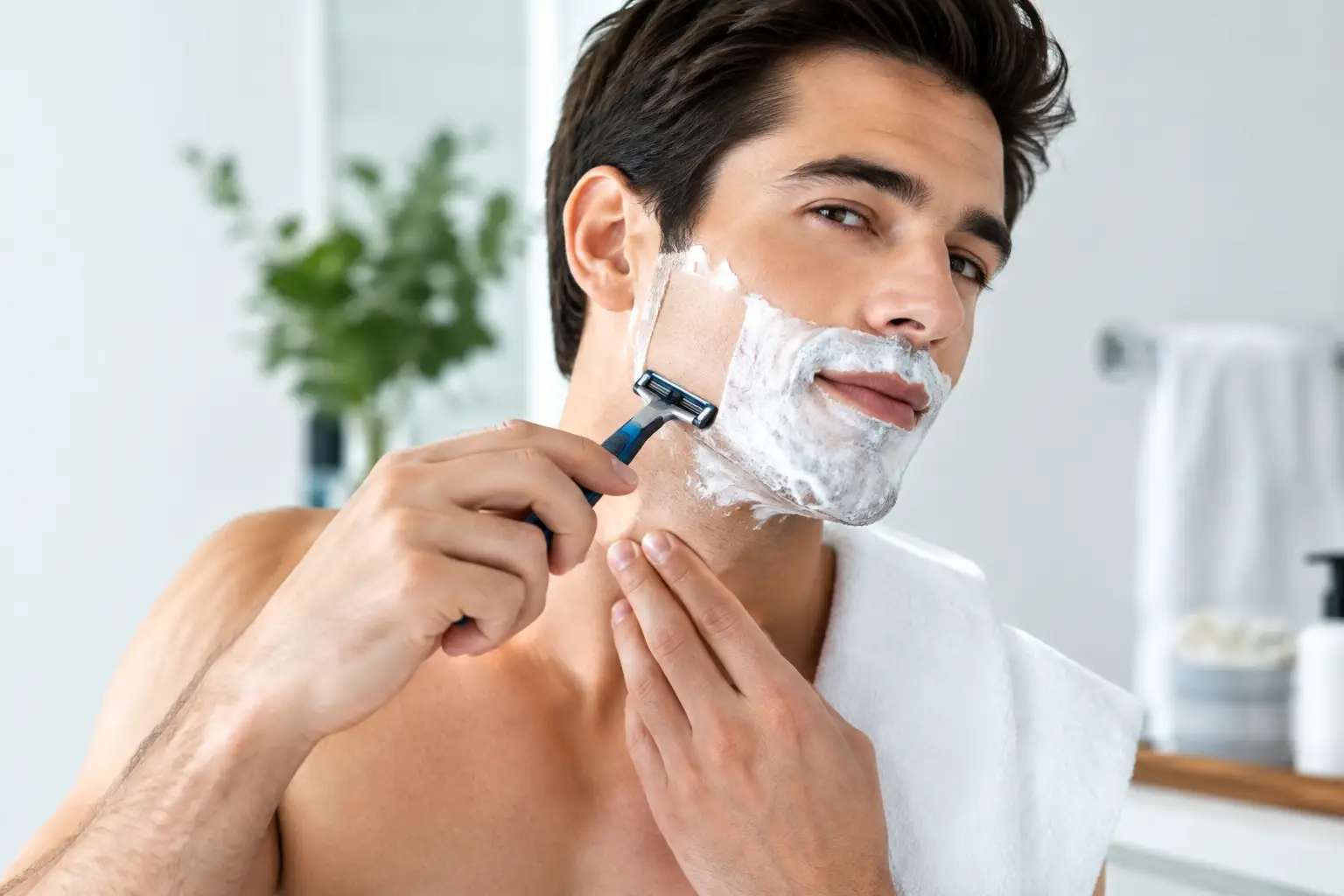
A close shave should not leave your skin burning, itchy, or covered in painful bumps. If you are searching for how to reduce shaving irritation, the answer is usually not one miracle product. It is a better routine: prepare the skin, use the right technique, and stop treating recurring razor bumps as something you simply have to tolerate.
Shaving irritation can affect the face, underarms, legs, bikini line, chest, and back. It is especially frustrating when you need smooth skin for work, the gym, a beach day, or an event. The good news is that most irritation has a clear trigger, and small adjustments can make a visible difference.
Why Shaving Causes Redness, Bumps, and Burning
A razor does more than remove hair. It also creates friction across the outer layer of skin. When the blade is dull, the skin is dry, or the razor is pressed too firmly, that friction can lead to redness, tiny cuts, stinging, and inflammation.
Razor bumps are slightly different. They often happen when newly cut hair curls back into the skin as it grows, creating an ingrown hair. This is common in areas with coarse or curly hair, including the beard area and bikini line. Shaving very close to the skin can make the problem worse because the hair has a sharper edge and more opportunity to grow inward.
Sometimes the issue is not shaving alone. Fragranced products, heavy oils, tight clothing, sweat, or shaving over already irritated skin can keep inflammation going. If bumps are filled with pus, unusually painful, or spreading, they may be related to folliculitis or another skin concern that should be evaluated by a medical professional.
How to Reduce Shaving Irritation Before You Start
The shave begins before the razor touches your skin. Rushing through dry shaving is one of the fastest ways to create discomfort, especially in sensitive areas.
Start with warm water. Showering first or applying a warm, damp washcloth for a few minutes softens both the hair and the skin. Softer hair cuts more easily, so you do not have to repeat the same stroke again and again.
Next, use a gentle shaving cream, gel, or lotion that provides real slip. A product made for sensitive skin is often a smart choice, particularly if you react to strong fragrance or alcohol-heavy formulas. Let it sit for a minute before shaving rather than wiping it away immediately. That brief pause helps soften the hair further.
Light exfoliation can also help if ingrown hairs are a recurring concern. The goal is not to scrub aggressively. Over-exfoliating can damage the skin barrier and increase stinging. Use a mild exfoliating product once or twice a week, not immediately on skin that is already red, cut, or inflamed.
Choose a Clean, Sharp Razor
A dull blade pulls at hair instead of cutting it cleanly. That means more passes, more pressure, and more irritation. Replace disposable razors regularly, and change cartridge blades when they begin to drag or feel less effective.
More blades are not always better. A multi-blade razor can give a very close result, but it may also cut hair beneath the skin's surface, which can worsen ingrown hairs for some people. If razor bumps are your main concern, a single-blade safety razor or an electric trimmer that leaves a small amount of length may be a better fit.
Always rinse your razor thoroughly after use and store it in a dry area. A damp razor left on the edge of the shower can collect bacteria and lose its edge quickly.
Use a Technique That Respects Your Skin
The biggest technique change is simple: shave with the direction of hair growth whenever possible. Shaving against the grain may feel closer at first, but it increases the chance of pulling, cuts, and ingrown hairs. For the bikini line, underarms, and neck, this adjustment can be particularly helpful.
Use light pressure and short strokes. Let the blade do the work. Pressing down does not create a better shave. It usually creates a rougher one. Rinse the blade between strokes so it can cut efficiently instead of dragging hair and product across the skin.
Avoid repeatedly shaving the same area. If a spot does not feel perfectly smooth after one pass, reapply shaving gel before trying again. Going over bare skin is a common cause of post-shave burning.
Do not stretch the skin tightly just to get a closer shave. While it can make shaving feel easier in the moment, hair may retract below the surface when the skin relaxes. For people prone to ingrown hairs, that trade-off is rarely worth it.
Calm Skin Immediately After Shaving
After shaving, rinse with cool or lukewarm water to remove product and help calm the skin. Pat dry with a clean towel. Rubbing can create more friction when skin is at its most vulnerable.
Apply a simple, fragrance-free moisturizer while the skin is still slightly damp. Look for soothing ingredients such as aloe, glycerin, ceramides, or hyaluronic acid. A lightweight formula is often best for the face and bikini line, where heavy products may trap sweat and contribute to clogged pores.
Skip alcohol-based aftershaves if your skin burns easily. That sharp sting is not a sign that a product is working. It may mean the formula is irritating freshly shaved skin. If you need help with recurring bumps, a dermatologist or qualified aesthetic provider may recommend a targeted product based on your skin type and the affected area.
For the next several hours, give your skin room to recover. Avoid tight waistbands, restrictive underwear, intense heat, and heavy sweating when possible. This matters after shaving the bikini line, underarms, or body, where friction and moisture can quickly aggravate the follicles.
Avoid the Habits That Keep Razor Bumps Coming Back
If irritation keeps returning, evaluate your shaving frequency. Daily shaving is manageable for some people, but others need more recovery time. Shaving every other day, using an electric trimmer between close shaves, or allowing hair to grow slightly longer can reduce inflammation.
Do not pick at ingrown hairs or squeeze razor bumps. It can introduce bacteria, create dark marks, and increase the risk of scarring. Instead, pause shaving over the area, use gentle warm compresses, and avoid products that sting or strip the skin.
Be careful with active skincare ingredients, too. Retinoids, exfoliating acids, benzoyl peroxide, and certain acne treatments can make skin more sensitive. You may need to separate those products from shaving days, especially on the face. The right schedule depends on your skin, the strength of the formula, and whether you are experiencing dryness or peeling.
When Laser Hair Removal Can Reduce Shaving Irritation
For people who repeatedly deal with razor burn, ingrown hairs, or the inconvenience of frequent shaving, laser hair removal can be a practical long-term alternative. Rather than cutting hair at the surface every few days, laser treatments target hair follicles to reduce future growth.
Fewer hairs and slower regrowth often mean fewer opportunities for shaving-related irritation. Many clients choose treatment for the bikini line, underarms, legs, back, chest, or face because those areas are difficult to shave comfortably and consistently.
Laser hair removal is not a one-visit solution. Hair grows in cycles, so a series of treatments is needed for the best reduction. Results vary based on hair color, hair density, hormonal factors, treatment area, and skin type. A professional consultation is the right place to discuss your goals, medical history, and the technology best suited to your skin.
At Elite Laser Center, laser hair removal is performed with personalized treatment planning and medical oversight for a safe, effective approach to unwanted hair. For Long Island clients who are tired of planning around razor bumps, a consultation can help determine whether reducing hair growth is a better option than continually managing irritation.
Know When to Get Professional Advice
Mild redness that settles within a day is common. Persistent itching, severe pain, darkening marks, infected-looking bumps, or scarring deserves more attention. A dermatologist can identify whether you are dealing with ingrown hairs, contact dermatitis, acne, folliculitis, or another condition that requires a different treatment plan.
Smooth skin should not require harsh products or a painful routine. Give your skin a cleaner blade, more lubrication, lighter pressure, and time to recover. If shaving still creates a cycle of bumps and discomfort, it may be time to choose a hair-removal option designed to give your skin a real break.