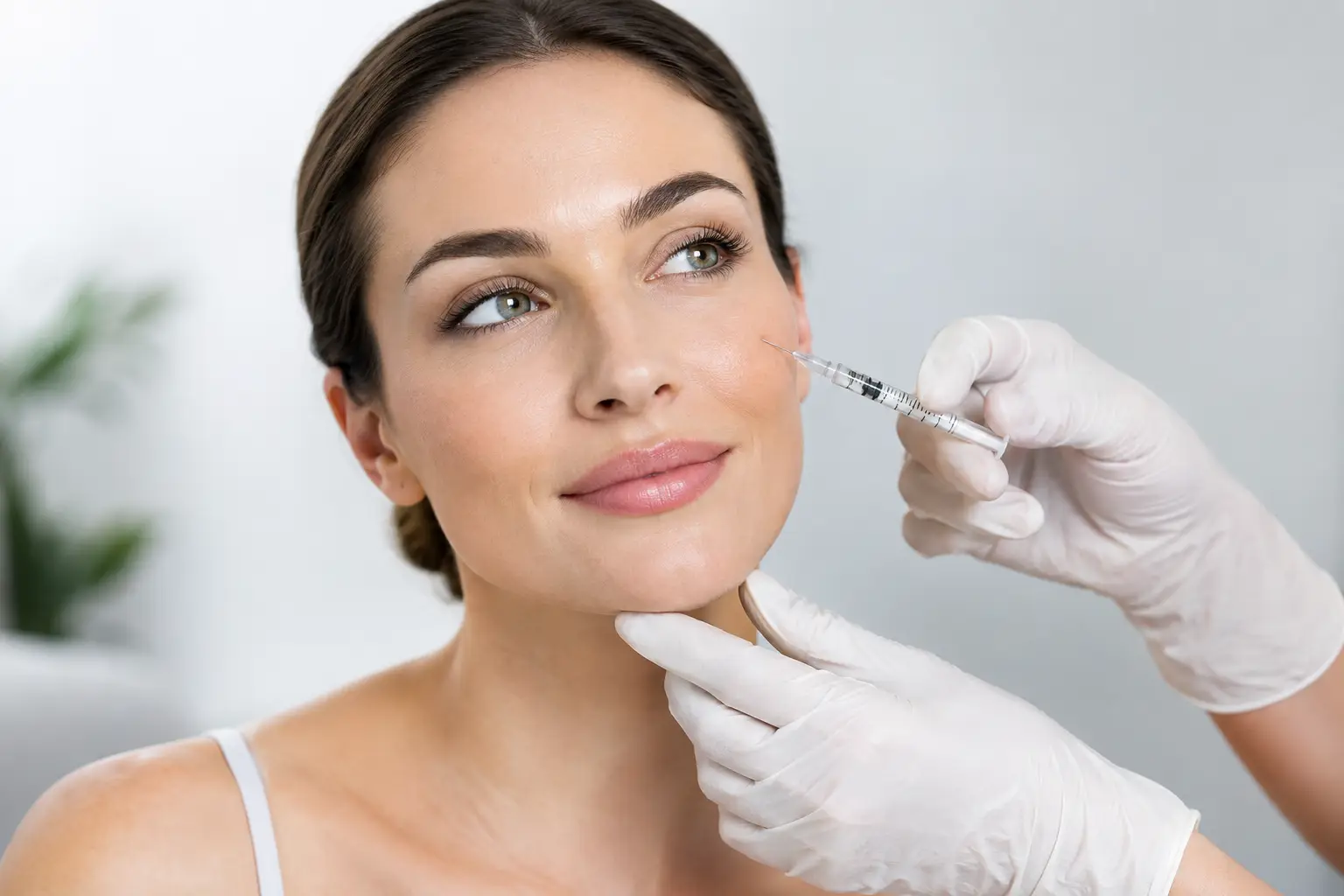
A small bruise should not take the excitement out of seeing a refreshed, more balanced result. While bruising is a common and temporary possibility with dermal filler, knowing how to prevent filler bruising can make recovery more predictable, especially when you have an event, photos, or a busy week ahead.
No injector can promise zero bruising. Fillers are placed beneath the skin, where tiny blood vessels are present, and even a careful treatment can occasionally disturb one. The goal is to reduce avoidable risk through the right timing, a medically guided treatment plan, and thoughtful aftercare.
Why Filler Bruising Happens
Bruising occurs when a small blood vessel is nicked during an injection and a small amount of blood collects under the skin. Areas with thinner skin or more visible blood vessels, such as the lips and under-eye area, can be more prone to noticeable bruising than areas like the cheeks or jawline.
Your individual tendency to bruise matters, too. Some people naturally bruise easily, while others may be more susceptible because of certain medications, supplements, alcohol use, recent exercise, or medical conditions that affect clotting. Treatment technique also matters. An experienced medical injector understands facial anatomy, evaluates your skin and treatment area, and adapts the approach to support safety and a refined result.
How to Prevent Filler Bruising Before Your Appointment
Choose an experienced medical injector
The most meaningful decision happens before the first injection. Choose a qualified, medically supervised provider who performs injectable treatments regularly and starts with a personalized consultation. Your injector should review your health history, discuss the areas you want to treat, explain realistic downtime, and tell you what to expect if bruising occurs.
At Elite Laser Center, injectable treatment planning is centered on your facial anatomy, goals, and comfort. A careful assessment helps determine the appropriate product, placement, and technique rather than taking a one-size-fits-all approach.
Ask about scheduling, too. If you have a wedding, vacation, presentation, or other important occasion, avoid booking filler at the last minute. Most minor bruising fades within several days, but everyone heals differently. Giving yourself at least two weeks of cushion is the practical choice when you want your skin to look settled and camera-ready.
Review medications and supplements honestly
Before treatment, provide a complete list of prescription medications, over-the-counter medicines, vitamins, and supplements. Several common items can increase the likelihood of bruising because they affect platelet function or blood clotting. These may include aspirin, ibuprofen, naproxen, fish oil, vitamin E, ginkgo, garlic supplements, and certain herbal products.
Do not stop prescription blood thinners, aspirin prescribed for a medical reason, or any medication without approval from the clinician who prescribed it. Your health comes first. Your injector can coordinate with your medical guidance and explain what is appropriate for your situation.
If it is medically safe for you, your provider may recommend avoiding nonessential blood-thinning supplements and anti-inflammatory medications for a period before treatment. The exact recommendation depends on your history, so follow the instructions you receive rather than relying on a generic checklist online.
Skip alcohol before filler
Alcohol can widen blood vessels and may increase the chance of bruising and swelling. It can also leave you dehydrated, which is not ideal before an injectable appointment. Avoid alcohol for 24 to 48 hours before treatment, or follow the specific timing your provider recommends.
Staying well hydrated, eating a normal meal, and arriving rested can help you feel more comfortable during your appointment. Filler is not usually a treatment that requires a dramatic preparation routine, but small choices can support an easier experience.
Avoid intense workouts right before treatment
A hard workout raises circulation and can make flushing, swelling, or bruising more likely. Plan to skip high-intensity exercise the day before your appointment when possible. A light walk is generally different from a heated workout class, heavy lifting session, or long run.
If you are prone to bruising, tell your injector. That information may influence the timing of your appointment and the aftercare plan.
What Your Injector Can Do to Reduce Bruising
Skill and technique are not interchangeable with luck. A knowledgeable injector works deliberately, using an understanding of vascular anatomy to avoid higher-risk areas whenever possible. Depending on the treatment area and the desired result, the injector may select a fine needle, a blunt-tip cannula, or a combination of techniques.
Cannulas can reduce the number of skin entry points in some areas, which may lower bruising risk for certain patients. They are not automatically better for every treatment, however. Precise placement, facial anatomy, filler type, and the injector's judgment all influence the best method.
A gentle pace, careful product placement, and minimal unnecessary passes can also make a difference. Some providers use topical numbing for comfort, and cooling may be used before or after injections when appropriate. These steps support a more comfortable appointment, but they do not replace careful medical technique.
Aftercare That Helps Limit Bruising
Use cold compresses correctly
A cool compress may help reduce early swelling and calm the area after filler. Use a clean cold pack wrapped in a soft cloth, and apply it gently for short intervals. Do not press hard, massage aggressively, or place ice directly on bare skin.
Your injector will let you know whether your treatment area should be massaged or left alone. This varies by filler placement and product, so follow your personalized instructions rather than copying a friend's aftercare routine.
Keep your circulation calm for 24 to 48 hours
For the first day or two, avoid strenuous workouts, saunas, steam rooms, hot yoga, and significant heat exposure. These activities can increase blood flow and may make swelling or bruising more visible. Try to avoid alcohol during this period as well.
Sleep with your head slightly elevated the first night if you are prone to swelling. Avoid putting pressure on freshly treated areas, especially if you had filler in the cheeks, temples, or jawline. A little planning helps protect the area while the filler begins to settle.
Be patient with makeup and skincare
Many patients can use makeup after treatment, but timing depends on the injection sites and your provider's instructions. If you do apply makeup, use clean brushes or sponges and a light touch. Avoid facials, vigorous exfoliation, facial massage, and devices that put pressure or heat on the treated area until your injector clears you.
If a bruise does appear, a color-correcting concealer can help camouflage it after the injection points have closed and your provider says makeup is fine. Yellow or peach tones may offset purple or blue discoloration, depending on your skin tone.
Should You Take Arnica for Filler Bruising?
Arnica is commonly discussed for bruising, but results vary, and it is not necessary for every patient. Some people use topical arnica products or oral supplements, while others see little difference. Because supplements can interact with medications or may not be appropriate for everyone, ask your injector or healthcare provider before adding them to your pre- or post-treatment routine.
The same caution applies to bromelain and other products marketed for swelling or bruising. A product being available over the counter does not mean it is the right choice for your health history.
When to Contact Your Injector
Mild tenderness, swelling, pinpoint redness, and bruising can be normal after filler. A bruise may look darker before it starts to fade, and that can be frustrating but expected.
Contact your injector promptly if you experience increasing or severe pain, unusual blanching or pale patches of skin, a dusky or mottled color change, significant warmth, worsening swelling, or any symptom that feels concerning. These are not symptoms to wait out or cover with makeup. Timely communication allows your provider to assess the area and guide next steps.
The best way to reduce bruising is not to chase a perfect, zero-downtime promise. It is to plan ahead, share your medical history openly, choose experienced care, and give yourself room to heal. With a personalized approach, filler can fit comfortably into a busy schedule while still delivering the soft, natural-looking enhancement you want.