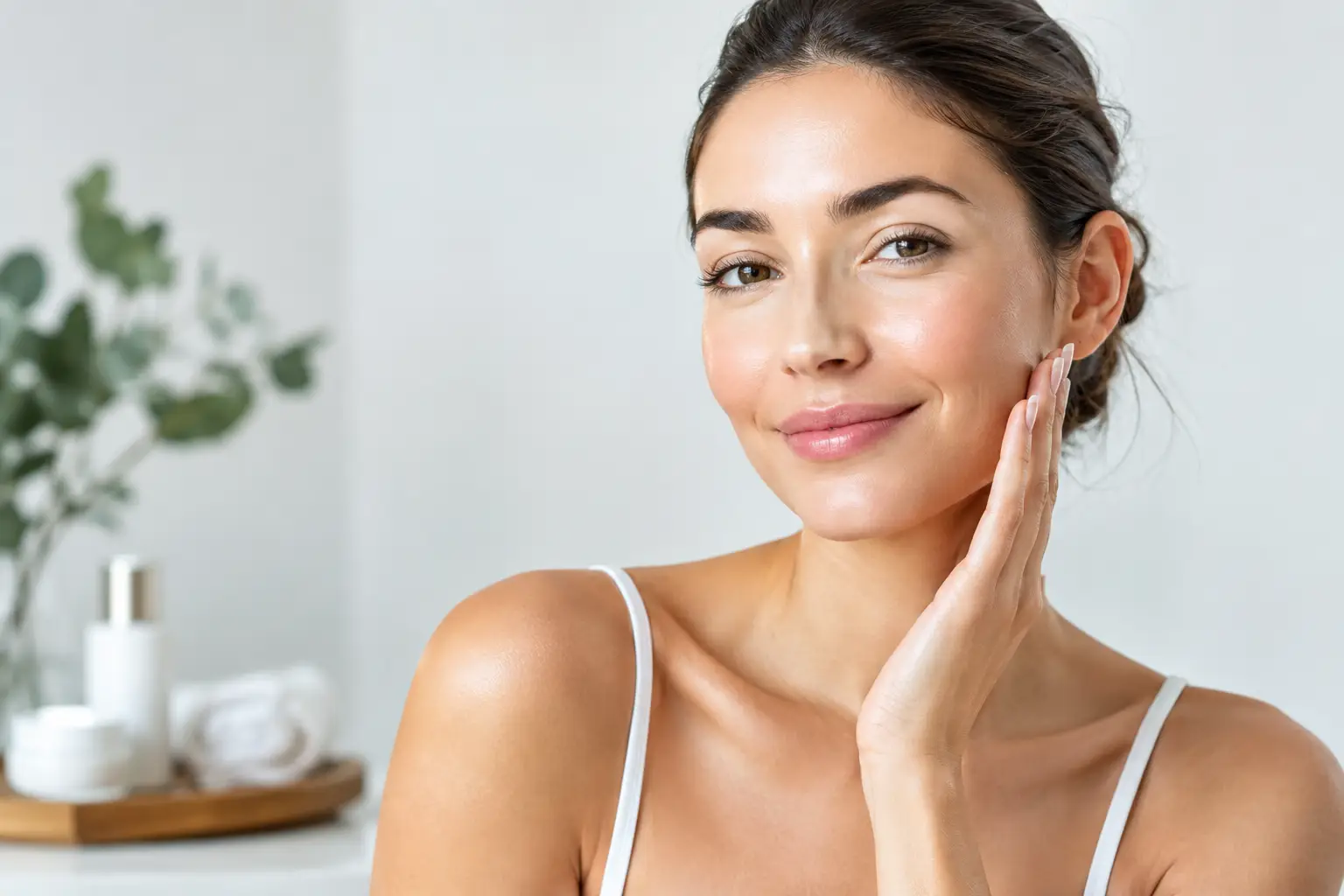
Skin can start to feel less firm long before you consider yourself “old.” You may notice makeup settling differently, a softer jawline, fine lines that stay after you smile, or loose-looking skin on the neck, arms, abdomen, or thighs. If you are wondering how to improve skin elasticity, the answer is rarely one miracle cream or one treatment. The best results come from protecting the collagen you have, supporting healthy skin habits, and choosing professional treatments that match the degree of laxity you see.
Elasticity is what helps skin stretch and return to its original shape. It depends largely on collagen, elastin, and hyaluronic acid, along with healthy skin barrier function. These structures naturally decline with age, but sun exposure, smoking, weight fluctuations, stress, poor sleep, and dehydration can accelerate visible changes.
Why Skin Loses Its Spring
Collagen gives skin much of its structure, while elastin provides the recoil that makes skin look resilient. Beginning in adulthood, the body produces less of both over time. This is normal, but the pace varies from person to person.
Ultraviolet exposure is one of the biggest contributors to premature loss of firmness. Sun damage breaks down collagen and can lead to rough texture, discoloration, fine lines, and crepey skin. Tanning beds create the same concern. If you are investing in professional skin rejuvenation, daily sun protection is not optional - it helps protect both your skin and your treatment results.
Repeated changes in body weight can also affect elasticity. Skin may not fully retract after significant weight loss, especially when laxity has been present for years. In that situation, topical products can improve the surface quality of the skin, but they cannot remove a large amount of excess skin. A realistic consultation matters because it helps separate what can be improved non-surgically from what may require a surgical conversation.
How to Improve Skin Elasticity at Home
At-home care cannot replace collagen-stimulating treatments, but it creates the foundation for healthier, smoother-looking skin. Consistency is far more valuable than an expensive routine you use twice a month.
Make sunscreen your daily baseline
Use a broad-spectrum SPF 30 or higher every morning, including on cloudy days and during winter. Apply it to the face, neck, chest, and any other exposed areas. For Long Island residents, sunscreen is especially relevant during time spent at the beach, boating, driving, or enjoying outdoor activities. Reapply when you are outside for extended periods.
Choose ingredients with a purpose
Retinoids are among the most proven topical options for supporting collagen and improving the appearance of fine lines and uneven texture. Start slowly, particularly if your skin is sensitive, and use moisturizer to limit dryness. Retinoids are not appropriate for everyone, including those who are pregnant or trying to conceive, so ask a medical provider if you are unsure.
Vitamin C in the morning can help provide antioxidant protection and support a brighter appearance. Peptides, niacinamide, ceramides, and hyaluronic acid can help improve hydration and strengthen the skin barrier. Hydrated skin often looks temporarily plumper, which can soften the appearance of fine lines, but hydration alone does not rebuild lost elastin.
Support skin from the inside
A diet built around protein, colorful produce, healthy fats, and adequate fluids supports overall skin health. Protein provides amino acids used in collagen production, while vitamin C helps the body form collagen. You do not need an extreme “beauty diet.” Regular meals and sustainable habits are more useful than short-term cleanses.
Avoid smoking, and keep alcohol intake moderate. Both can contribute to dehydration and premature aging. Quality sleep and stress management are also practical parts of a skin plan. They will not erase laxity overnight, but chronic stress and poor sleep can show up on the skin over time.
Professional Treatments for Firmer-Looking Skin
When skin care has reached its limit, professional non-surgical treatments can address texture, collagen support, and mild to moderate laxity more directly. The right option depends on your age, skin type, treatment area, budget, downtime preferences, and how much loose skin is present.
Microneedling for texture and collagen support
Microneedling uses controlled microchannels in the skin to trigger the body’s natural repair response. It is commonly chosen for fine lines, acne scarring, enlarged pores, and early skin laxity. Over a series of treatments, new collagen can improve the skin’s overall texture and firmness.
Results develop gradually because collagen remodeling takes time. Many clients begin to see improvement within several weeks, with continued changes over the following months. Treatment plans are typically customized in a series rather than treated as a one-time fix.
Radiofrequency skin tightening
Radiofrequency treatments deliver controlled energy below the skin’s surface to heat tissue and encourage collagen remodeling. They can be a strong option for clients who want visible tightening with little to no social downtime. Common treatment areas include the face, neck, abdomen, arms, thighs, and knees.
The trade-off is that non-surgical tightening is gradual and works best for mild to moderate laxity. If skin is heavily sagging, expectations should be adjusted. A qualified provider should assess your tissue quality and recommend a plan based on what is realistically achievable.
Injectable treatments for age-related volume loss
Sometimes skin looks loose because the face has lost structural support, not simply because the skin itself has changed. Strategically placed dermal filler can restore volume in areas such as the cheeks, temples, or jawline, helping create a more refreshed and supported appearance. Neuromodulators can soften repetitive expression lines that may make skin look more creased.
Injectables do not tighten loose skin in the same way energy-based treatments do. However, when used thoughtfully, they can complement a collagen-focused treatment plan. The best results look balanced and natural, not overfilled.
Skin rejuvenation treatments for surface quality
Professional facials, chemical exfoliation, and laser-based skin rejuvenation can improve dullness, discoloration, rough texture, and the fine lines that make skin appear less resilient. These treatments are often valuable as part of maintenance, particularly after a more intensive collagen-stimulating procedure.
Not every laser or peel is right for every skin tone or concern. Treatment settings, skin preparation, and aftercare should be selected carefully to protect the skin barrier and reduce the risk of unwanted pigment changes. This is one reason medical supervision and experience with diverse skin types matter.
Set Expectations That Lead to Better Results
No cream, facial, or device can permanently stop the aging process. What a well-designed plan can do is improve the quality, texture, and firmness of your skin while helping you maintain a more refreshed appearance over time.
Most non-surgical treatments require patience. Collagen renewal is biological, not instant. You may need a series of sessions, and maintenance treatments can help preserve your results. Combining professional care with sunscreen, targeted skin care, stable weight, and healthy lifestyle habits usually delivers more meaningful improvement than relying on a single approach.
If you have sudden skin changes, unusual rashes, non-healing spots, or a history of certain medical conditions, speak with a healthcare professional before pursuing cosmetic treatment. Safety should always guide the plan.
At Elite Laser Center, a personalized consultation can help identify whether your concern is early textural change, volume loss, or true skin laxity - and which non-surgical option is most likely to deliver real, visible improvement. Firmness is not about chasing a different face or body. It is about choosing care that helps your skin look healthy, supported, and confidently yours.