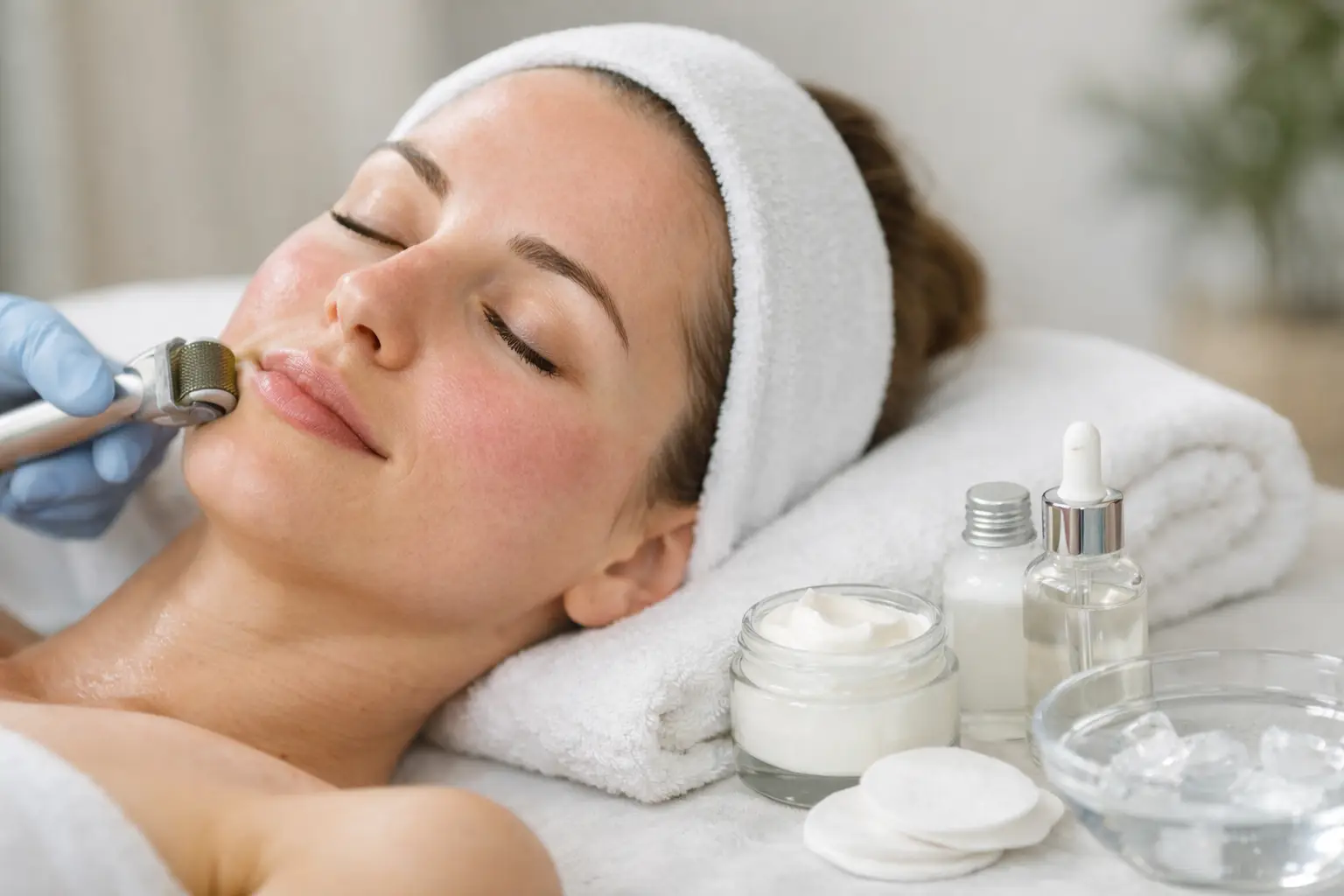
Your skin can look a little pink, feel warm, and seem tighter than usual right after treatment. That part is normal. Knowing how to care after microneedling makes a real difference in how comfortably you heal and how well your skin responds in the days that follow.
Microneedling works by creating controlled micro-injuries in the skin so your body can start a natural repair process. That repair response is what helps improve texture, soften the look of fine lines, reduce acne scarring, and support a fresher overall appearance. But once the treatment is done, your skin is temporarily more sensitive, which means the wrong products or habits can lead to extra irritation.
For most patients, aftercare is simple. The key is to keep skin calm, clean, protected, and moisturized without overdoing it. If you have had microneedling before, you may heal quickly. If this is your first session, you may be surprised by how reactive your skin feels for the first 24 to 72 hours. Either way, a smart aftercare routine helps protect your investment and supports the best possible result.
How to care after microneedling in the first 24 hours
The first day is all about protection. Your skin barrier has been challenged on purpose, so think gentle, not aggressive. Wash your hands before touching your face, and avoid unnecessary contact. Rubbing, picking, and checking your skin too often can add irritation when your skin needs calm conditions to recover.
Use lukewarm water if you have been told it is safe to cleanse that evening or the next morning. Skip hot water, exfoliating cleansers, cleansing brushes, scrubs, and anything that leaves a tingling or tight feeling. A mild, non-irritating cleanser is usually the safest option once your provider says cleansing is appropriate.
Hydration matters right away. Skin often feels dry or rough after microneedling, but that does not mean you should pile on active ingredients. A simple, bland moisturizer or healing serum recommended by your provider is usually the best choice. Products with fragrance, acids, retinol, or harsh preservatives can sting and disrupt recovery.
You should also stay out of the sun. Freshly treated skin is more vulnerable to UV exposure, and even a short time outside can increase redness and sensitivity. If you must be outdoors, follow your provider’s instructions carefully about when to apply sunscreen. In some cases, mineral sunscreen is introduced after the initial healing window, but timing can vary depending on the depth of treatment and whether PRP or other add-ons were used.
What to avoid after microneedling
Patients often focus on what to use, but what you avoid is just as important. For the first few days, steer clear of heat, sweat, and friction. That means no intense workouts, saunas, steam rooms, or hot yoga right away. Excess heat can make redness last longer, and sweat can irritate freshly treated skin.
Makeup should also wait until your provider tells you it is safe. It can be tempting to cover redness the same day, especially if you have a busy schedule, but applying foundation too early may clog irritated skin or introduce bacteria. If your skin still feels hot or tender, that is a sign to keep things minimal.
You should also hold off on exfoliating acids, retinoids, benzoyl peroxide, vitamin C in stronger formulas, and any acne products that normally dry you out. These ingredients can be excellent in the right routine, but not immediately after treatment. The timing for restarting them depends on your skin type, treatment intensity, and how quickly your skin settles.
Pools, ocean water, and hot tubs are not ideal in the early healing phase either. Chlorine, salt, and bacteria can all create unnecessary stress for skin that is still recovering.
What is normal after microneedling
A lot of patients worry that redness means something went wrong. Usually, it does not. Mild to moderate redness, warmth, tightness, and a sandpapery texture are common. Some people also notice light swelling, pinpoint sensitivity, or a feeling similar to a mild sunburn.
The intensity varies. A lighter cosmetic microneedling session may calm down quickly, while a deeper treatment for acne scars or texture concerns can create more visible redness for longer. Skin type matters too. Sensitive skin may react more, and certain areas of the face can stay pink longer than others.
Flaking can happen as your skin renews itself. It is best to let that process occur naturally. Do not scrub off dry patches or use exfoliants to speed things up. Forced peeling can interfere with healing and leave skin more irritated than before.
If you experience severe swelling, worsening pain, pus, unusual rash, or anything that seems outside normal post-treatment expectations, contact your provider. Proper microneedling aftercare should always include clear access to professional guidance if something feels off.
The best skincare routine while healing
Keep your routine short. For most people, that means a gentle cleanser, a soothing moisturizer, and sunscreen when approved. If your provider gave you a post-procedure serum or recovery cream, use that exactly as directed.
This is not the time to experiment with trendy products. Even products labeled clean or natural can cause irritation if they contain essential oils, botanical extracts, or fragrance. After microneedling, simple usually performs better than complicated.
If your skin feels dry, apply moisturizer more than once a day if needed. Hydrated skin tends to feel more comfortable and can recover more smoothly. Drink water as well, although topical hydration matters more directly for the skin surface.
Once the early sensitivity is gone, your provider may guide you on when to return to your regular routine. That timeline is not the same for everyone. Someone treating mild texture may be back to normal sooner than someone treating deeper scarring with a more intensive approach.
How long after microneedling until skin looks normal?
For many patients, the visible redness improves within 24 to 72 hours. Some pinkness can last longer, especially after stronger treatments. Dryness and rough texture may show up as the redness fades, and that can continue for several days.
The more important point is that final results do not show up overnight. Microneedling stimulates a repair process that unfolds gradually. You may notice a healthy glow once the early irritation resolves, but improvement in tone, texture, and scar appearance often develops over several weeks. Collagen remodeling takes time.
That is why consistency matters. One treatment may give skin a refreshed look, but a series is often recommended for concerns like acne scars, enlarged pores, and uneven texture. Good aftercare supports each session and helps you stay on track with your treatment plan.
How to care after microneedling if you have sensitive or acne-prone skin
Sensitive skin needs an even more conservative approach. If you are prone to redness, eczema, or irritation from skincare products, stay especially disciplined about avoiding active ingredients until your provider says your skin is ready. The biggest mistake sensitive-skin patients make is trying to treat post-treatment dryness with products that contain hidden irritants.
If you are acne-prone, do not assume every bump is a breakout. Sometimes skin feels congested or textured during healing. That does not mean you should immediately restart strong acne products. Give your skin a little time, and follow the instructions you were given based on your specific history.
If you have a history of cold sores and were treated near the mouth, mention that before treatment and follow any preventive guidance your provider gives you. This is another example of why medically guided care matters. Good outcomes come not just from the device, but from the plan around it.
Why professional aftercare guidance matters
Microneedling is often described as low downtime, and that is true compared with more aggressive resurfacing procedures. But low downtime does not mean no responsibility. Results depend on both the treatment itself and what happens next.
A medically supervised provider will tailor aftercare based on your skin type, treatment depth, and goals. That matters because not every microneedling appointment is the same. A gentle glow-focused session has different recovery needs than a more corrective treatment targeting acne scars or advanced texture concerns.
At a practice like Elite Laser Center, where treatments are performed with results and safety in mind, aftercare is part of the service, not an afterthought. Patients want visible improvement with minimal downtime, and that only happens when the plan before, during, and after treatment is aligned.
The best thing you can do after microneedling is stay patient, keep your routine simple, and let your skin do the work it was designed to do.