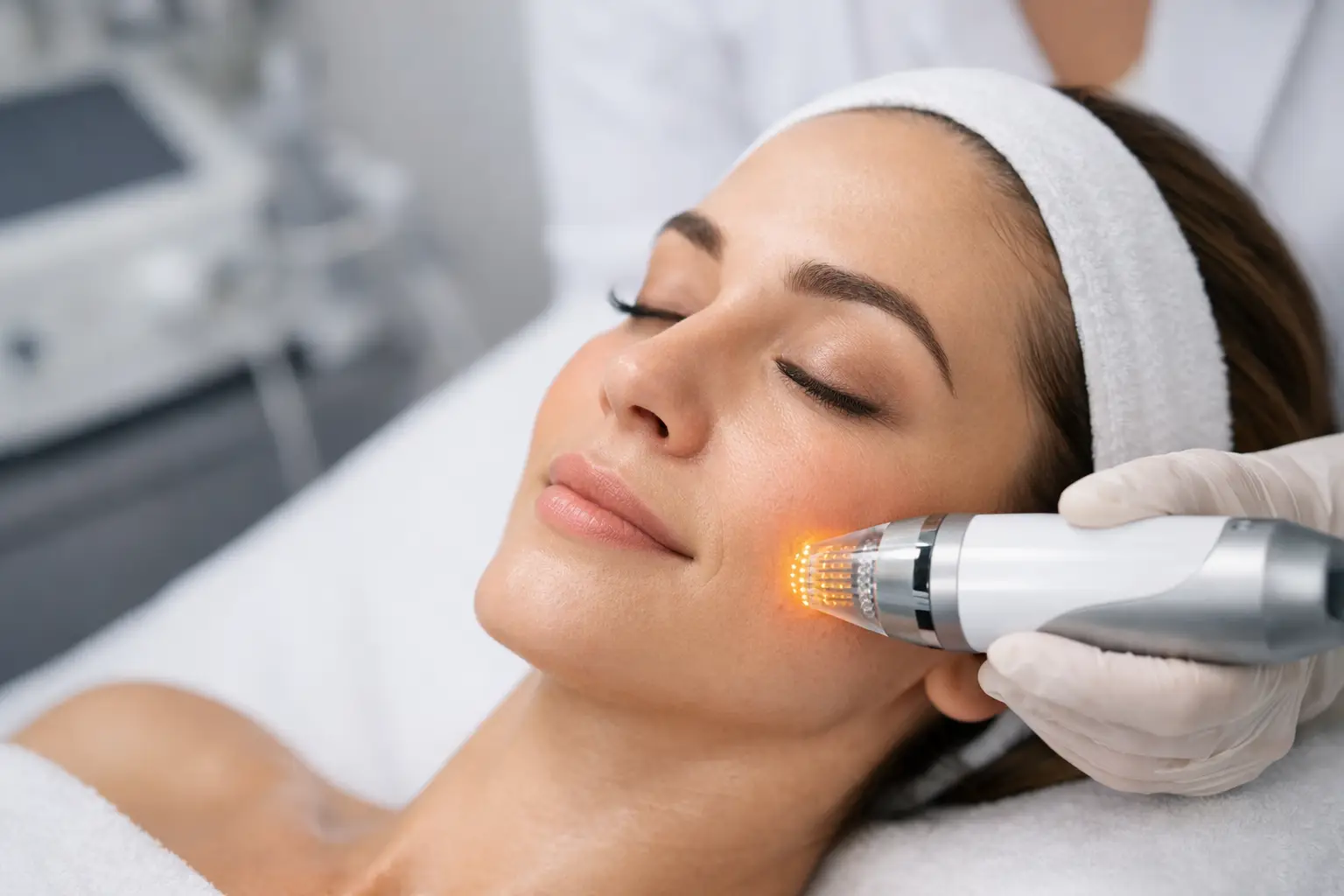
Acne scars that catch the light, makeup that settles into enlarged pores, and skin that no longer feels as firm as it once did can be difficult to improve with topical skincare alone. Understanding how RF microneedling works helps explain why this treatment is a popular choice for patients who want meaningful skin renewal without surgery or extended downtime.
RF microneedling combines two proven skin-rejuvenation methods in one treatment: controlled microneedling and radiofrequency energy. The goal is not to remove the surface of the skin. Instead, it encourages the skin to rebuild support from within, where collagen and elastin are formed.
How RF Microneedling Works Beneath the Surface
During treatment, a specialized handpiece places very fine, sterile needles into the skin at a carefully selected depth. Those microchannels create a controlled repair response. Your body recognizes the tiny channels as an injury and begins producing fresh collagen and elastin as part of the healing process.
At the same time, radiofrequency energy is delivered through the needles into deeper layers of the skin. This energy creates controlled heat in the dermis, the skin layer responsible for much of its structure and firmness. That heat supports collagen remodeling while leaving more of the upper skin surface intact than treatments that rely primarily on surface resurfacing.
This combination matters because the treatment addresses both texture and laxity. Microneedling alone stimulates repair through mechanical microchannels. RF energy adds targeted heat at depth, which can make the treatment especially helpful for concerns such as acne scarring, fine lines, crepey texture, enlarged pores, and mild skin looseness.
The right needle depth, energy level, and treatment pattern depend on the area being treated and the condition of your skin. Delicate areas around the eyes require a different approach than acne scars on the cheeks or laxity along the jawline. A personalized treatment plan is not an extra - it is central to both safety and results.
What RF Microneedling Can Improve
RF microneedling is often chosen for skin that needs more than a temporary glow. It can improve the appearance of fine lines, uneven texture, enlarged pores, acne scars, surgical scars, mild wrinkles, and early loss of firmness. Many patients treat the face, but appropriate areas may also include the neck, chest, abdomen, arms, knees, or other places where texture and skin quality are a concern.
Results vary based on age, genetics, scar type, sun exposure, skincare habits, and the degree of skin laxity. Deep, sharply defined acne scars may need a combination approach rather than RF microneedling alone. More significant sagging may be better addressed with another skin-tightening procedure, threads, injectables, or surgery. An honest consultation should identify what the treatment can realistically improve rather than promise a result it cannot deliver.
For many adults, the biggest benefit is that RF microneedling improves the quality of the skin gradually. The goal is healthier-looking, smoother, firmer skin that still looks like you.
What Happens During an Appointment?
Your provider begins by reviewing your goals, medical history, current skincare products, and any active skin concerns. Photos may be taken to track progress. The skin is cleansed, and a topical numbing cream is typically applied before treatment to help keep you comfortable.
Once the skin is numb, the provider moves the RF microneedling handpiece methodically across the treatment area. You may feel pressure, warmth, or a brief prickling sensation. Treatment time depends on the areas selected, but the microneedling portion is often completed within 30 to 60 minutes.
Afterward, the skin may appear pink or red, similar to a moderate sunburn. Some patients also experience mild swelling, tightness, pinpoint bleeding, or a rough, sandpaper-like feel for several days. These effects are expected parts of the healing process and should be reviewed before treatment.
Your provider will give you specific aftercare instructions. In general, patients should use gentle skincare, avoid picking or exfoliating, pause irritating active ingredients such as retinoids and acids until advised, and wear broad-spectrum sunscreen consistently. Freshly treated skin needs protection from heat and sun exposure while it recovers.
When Will You See Results?
Some patients notice a healthier glow or smoother feel within the first few weeks. The more substantial changes develop slowly because collagen remodeling takes time. Many people see progressive improvement over six to 12 weeks, with continued refinement in the months that follow.
A series is often recommended, particularly for acne scars, noticeable texture concerns, or skin laxity. Three treatments spaced several weeks apart is common, although the right number depends on your starting point and goals. Maintenance treatments may help patients preserve their results as the natural aging process continues.
This gradual timeline is one of the treatment's trade-offs. RF microneedling does not create the immediate volume change of filler or the instant tightening of a surgical procedure. In return, it works with your skin's own collagen-building process and typically requires less downtime than more aggressive resurfacing options.
RF Microneedling vs. Traditional Microneedling
Traditional microneedling creates controlled microchannels that prompt collagen production. It can be an excellent treatment for early texture concerns, pores, and overall skin refreshment. RF microneedling takes the treatment further by delivering radiofrequency heat through the needles at targeted depths.
That added heat can make RF microneedling a stronger option when firmness, deeper scars, or more pronounced textural changes are part of the concern. It is not automatically the best choice for every patient, however. If your main goal is hydration, brightness, or very mild texture improvement, traditional microneedling or a facial treatment may be sufficient. The best treatment is the one matched to your skin, not simply the most intensive one.
Is RF Microneedling Safe for All Skin Types?
One advantage of RF microneedling is that much of the energy is delivered beneath the surface rather than relying solely on surface heating. This can make it a versatile option for a broad range of skin tones when performed with appropriate settings and clinical judgment.
Still, every skin type requires an individualized assessment. Patients prone to post-inflammatory hyperpigmentation, keloid scarring, cold sores, or prolonged irritation may need special precautions. Active acne, skin infections, open wounds, certain medications, pregnancy, implanted electronic devices, and some medical conditions can affect whether treatment should be delayed or avoided.
This is why provider experience matters. A medically supervised practice should evaluate your health history, select settings conservatively when needed, and explain both expected downtime and potential risks. Treatment should never be one-size-fits-all.
Choosing the Right Provider on Long Island
RF microneedling is technique-dependent. The device is only one part of the equation. Proper needle depth, energy selection, treatment coverage, sanitation, numbing protocol, and aftercare guidance all influence the experience and the outcome.
At Elite Laser Center, RF microneedling plans are designed around the concerns patients actually see in the mirror - whether that is acne scarring, fine lines, uneven texture, or early skin laxity. Our team focuses on safe, effective, non-surgical treatment options with the personalized attention Long Island patients expect from a medically supervised aesthetic practice.
Before booking, ask who will perform the treatment, how they determine settings for your skin, what recovery will look like, and whether your goals may benefit from a combination plan. Clear answers are a strong sign that your treatment is being built around results, not a standard package.
The most helpful next step is a professional skin consultation: bring your questions, be specific about the changes you want to see, and give your provider the information needed to recommend a treatment plan that fits your skin, schedule, and confidence goals.