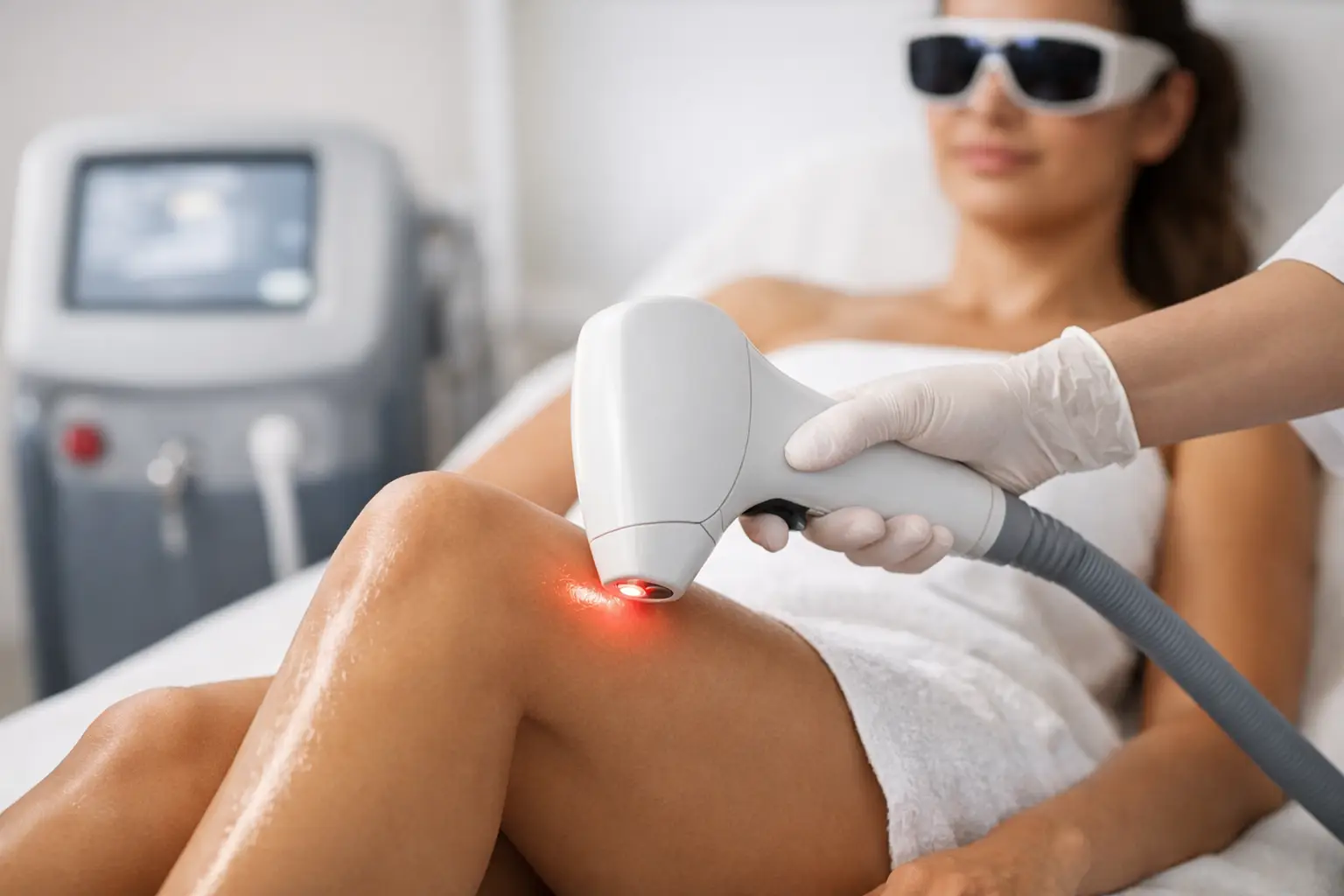
Shaving every few days gets old fast. So does waxing, ingrown hairs, razor burn, and planning your schedule around unwanted hair. That is why so many people ask how laser hair removal works before they commit. They want more than a promise of smoother skin - they want to know what the treatment is actually doing, why it takes several sessions, and whether it is worth it.
The short answer is simple. Laser hair removal uses concentrated light energy to target pigment in the hair. That energy travels down the shaft into the follicle, where heat damages the structures responsible for future growth. When the treatment is done with the right technology, settings, and medical oversight, it can reduce hair growth significantly and safely across many areas of the body.
How laser hair removal works on the follicle
Hair grows from a follicle under the skin. Inside that follicle are cells and structures that fuel new growth. The laser is designed to recognize melanin, the pigment that gives hair its color. When the laser pulse hits darker hair, the pigment absorbs the light and converts it into heat.
That heat is the point of the treatment. It is not burning the hair off at the surface just for a temporary cosmetic change. It is delivering thermal energy down into the follicle to weaken its ability to grow hair again. If the follicle is damaged enough, future hair comes in finer, slower, or may stop growing altogether.
This is also why contrast matters. In general, dark coarse hair responds best because it contains more pigment to absorb the laser energy. Very light blond, red, gray, or white hair is harder to treat because there is less pigment for the laser to target. Skin tone matters too, but modern FDA-cleared devices and experienced providers can safely treat a wide range of skin types by adjusting wavelength, pulse duration, and cooling.
Why you need more than one treatment
One session can reduce active hairs, but it cannot catch every follicle at the right time. Hair grows in cycles. At any given moment, some hairs are actively growing, some are transitioning, and some are resting. Laser treatment works best during the active growth phase because the hair is still attached to the follicle and can carry that heat where it needs to go.
That is the reason treatment is spaced out over a series of appointments. Each session targets a new group of hairs that has entered the active phase. Skip sessions or wait too long, and your progress usually slows. Stay consistent, and you give the treatment a much better chance to create long-term reduction.
Most people need a package of treatments rather than a single visit. The exact number depends on the area treated, your hair color and thickness, hormonal factors, and how your body responds. Underarms and bikini areas often respond well because the hair is usually dark and coarse. Facial hair can be more unpredictable, especially when hormones are part of the picture.
What it feels like during treatment
Many first-time clients expect laser hair removal to feel much harsher than it actually does. Most describe it as a quick snapping sensation against the skin, often compared to a rubber band flick. Some areas are easier than others. The upper lip can feel more intense than the legs, for example, simply because the skin is more sensitive.
Comfort depends on the equipment and the provider. Advanced systems often include cooling features that protect the skin and make treatment more tolerable. That matters, because comfort is not just a luxury. Better cooling can help providers deliver effective energy while keeping the skin safer.
Treatment itself is usually quick. Small areas may take only minutes. Larger areas like full legs or back take longer, but they are still manageable for busy schedules. That convenience is one reason laser hair removal has become such a popular non-surgical option.
What happens after each session
Right after treatment, the skin may look slightly pink or feel warm, similar to a mild sun reaction. That usually fades fairly quickly. Over the next one to three weeks, treated hairs often begin to shed. This part can confuse people because it may look like the hair is still growing. In reality, much of it is being pushed out of the follicle.
This delayed shedding is normal. It is also why results do not appear all at once the minute you leave the office. Laser hair removal is a process, not a one-day fix. With each session, you should see less regrowth, finer texture, and more time between needing to shave.
Sun protection matters after treatment. So does following aftercare instructions. Irritated skin, recent tanning, and certain skin products can increase sensitivity. A medically supervised practice will review all of that with you before and after your appointments.
How laser hair removal works for different skin types
This is one of the most important parts of the conversation, because not all laser systems are the same. Older technology created more limitations for deeper skin tones because the laser could have trouble distinguishing between pigment in the hair and pigment in the skin. That increased the risk of irritation or discoloration if the wrong settings were used.
Today, the right technology in experienced hands can safely treat all ethnic skin types. The provider chooses the laser type and settings based on your skin tone, hair color, treatment area, and goals. That customization is not a small detail. It is a major part of getting strong results while protecting the skin.
This is also why bargain shopping can backfire. Laser hair removal is not just about finding a machine. It is about finding the right platform, the right settings, and a team that understands skin response. If your skin is darker, more sensitive, or prone to pigmentation changes, expertise matters even more.
Areas that respond well - and areas that can be stubborn
Laser hair removal can be used on the face, underarms, arms, legs, bikini line, Brazilian area, chest, back, and more. Some areas tend to respond faster because the hair is thicker and more deeply pigmented. Others take more patience.
Hormonal areas can be stubborn. The chin, jawline, and neck are common examples, especially in women dealing with hormonal fluctuations. Men may also need more sessions on areas like the back and shoulders because the treatment zone is large and hair density is high. This does not mean the treatment is not working. It means expectations should be realistic from the start.
The best approach is a personalized plan. At Elite Laser Center, that kind of customization is a major advantage because effective laser hair removal is never one-size-fits-all.
Who is a good candidate
A good candidate is usually someone with unwanted hair who wants lasting reduction and is willing to complete a treatment series. Darker hair generally responds best. Good candidates also understand that laser hair removal reduces hair growth dramatically, but maintenance may still be needed depending on the area and hormones.
There are times when treatment may need to be delayed. Recent sun exposure, certain medications, active skin irritation, or some medical conditions can affect timing. Pregnancy policies vary by practice and provider judgment. That is why a consultation is more than a formality. It is where safety, candidacy, and treatment planning come together.
Common myths about how laser hair removal works
One common myth is that the laser removes every hair forever after one session. It does not. Hair grows in cycles, so multiple treatments are necessary.
Another myth is that laser hair removal is unsafe for deeper skin tones. That can be true with the wrong equipment or inexperienced treatment, but it is not true across the board. Modern systems and proper medical supervision have changed that significantly.
A third myth is that more pain means better results. Not necessarily. Effective treatment should be appropriately strong, but comfort features and skilled technique are part of quality care, not signs of a weaker service.
Is it worth it?
For many people, yes - especially if you are tired of constant upkeep. The value is not only in hair reduction. It is in time saved, smoother skin, fewer ingrown hairs, and less daily frustration. If you regularly shave, wax, or deal with irritation, laser hair removal can change your routine in a very real way.
That said, results depend on the right candidate, the right technology, and the right treatment plan. If someone promises identical outcomes for every person, that is a red flag. The best providers are confident, but they are also honest about variables.
If you are considering treatment, ask smart questions. What technology is being used? Is the team medically supervised? Can they treat your skin type safely? What kind of package and maintenance plan makes sense for your goals? Those answers tell you a lot.
The real advantage of understanding how laser hair removal works is that you can make a better decision before your first session. When you know what the laser targets, why timing matters, and what realistic progress looks like, the process feels far less mysterious - and a lot more worthwhile.