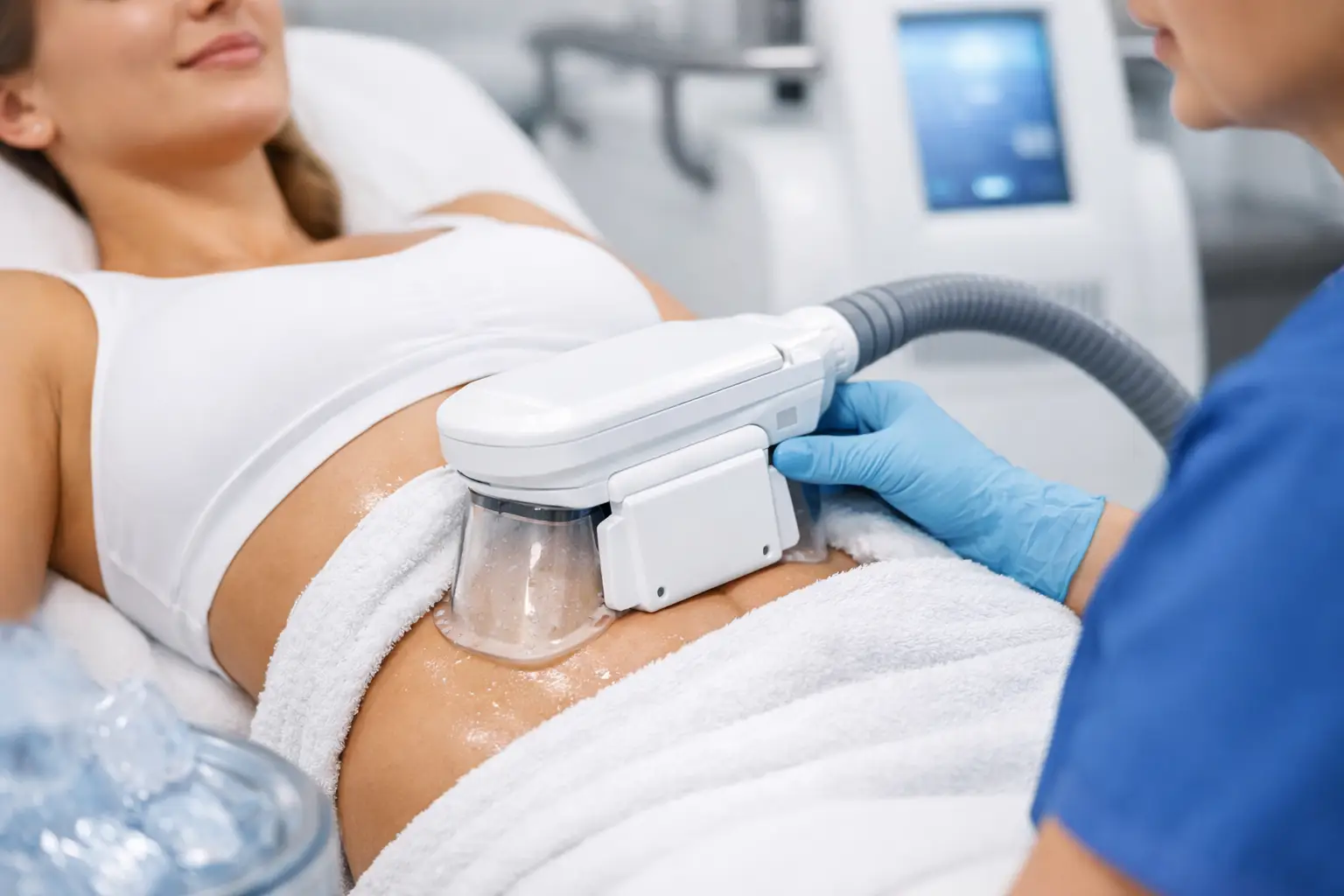
A stubborn lower-abdominal bulge, love handles that remain despite workouts, or fullness beneath the chin can be frustrating when the rest of your body reflects your effort. Understanding how CoolSculpting freezes fat helps set realistic expectations: this is a targeted body-contouring treatment designed to reduce select pockets of fat, not a shortcut for significant weight loss.
CoolSculpting uses controlled cooling to target fat cells beneath the skin without surgery, needles, or anesthesia. Once those fat cells are treated, the body gradually processes and removes them over time. The result is a smoother, more refined contour in the area treated, with little interruption to a busy schedule.
How CoolSculpting Freezes Fat Without Freezing Skin
CoolSculpting is based on cryolipolysis, a process that takes advantage of an important difference between fat cells and surrounding tissue. Fat cells are more vulnerable to carefully controlled cold temperatures than skin, nerves, and muscle. During treatment, a specialized applicator draws the targeted tissue into place or rests against the area, depending on the applicator selected.
The applicator delivers controlled cooling to the layer of pinchable, subcutaneous fat. This is the fat that sits directly under the skin, such as the fullness that can collect along the abdomen, flanks, thighs, upper arms, bra area, or beneath the chin. The treatment is designed to cool fat cells to the point that triggers a biological response while protecting surrounding tissue.
This is not the same as placing an ice pack on an area of the body. CoolSculpting technology monitors the treatment area and uses a controlled process designed specifically for body contouring. That precision matters. A professional assessment helps determine the correct applicator, placement, and treatment plan for your anatomy and goals.
What Happens to Fat Cells After Treatment?
The cold exposure damages targeted fat cells and initiates a gradual process called apoptosis, or programmed cell death. The body recognizes the affected cells and begins clearing them through its natural inflammatory and lymphatic processes.
That timeline is why CoolSculpting results do not appear immediately after an appointment. Your body needs time to process the treated fat cells. In the weeks following treatment, cells are broken down and naturally eliminated. Once those fat cells are removed, they do not regenerate.
However, remaining fat cells can still enlarge if you gain weight. CoolSculpting is best viewed as a way to refine a trouble spot, not a replacement for healthy habits or a weight-management program. Maintaining a stable weight helps preserve the contouring improvement you achieve.
What Does a CoolSculpting Appointment Feel Like?
Most clients describe the first few minutes as an intense cold sensation with pulling or firm pressure from the applicator. This is especially common when treating areas such as the abdomen or flanks, where a vacuum applicator may gently draw tissue into the cooling cup. The cold typically becomes much more tolerable as the area becomes numb.
Once the applicator is in place, many people relax, use their phone, read, or catch up on work. Treatment time varies based on the area, the device, and the number of applicators used. A personalized consultation is the best way to understand how long your visit may take and whether multiple areas can be addressed in one session.
After the applicator is removed, the area may look firm, raised, red, or pale for a short time. Massage may be performed as part of the treatment protocol. Most clients return to normal daily activities right away, making CoolSculpting appealing for people who want visible contouring without surgical recovery.
Common Short-Term Effects and Important Safety Considerations
Redness, swelling, bruising, tenderness, tingling, numbness, firmness, and temporary sensitivity can occur after treatment. These effects are usually localized and resolve with time, although numbness or altered sensation can last longer for some people. Your provider should explain what is typical for the area being treated and what symptoms warrant a call.
CoolSculpting is FDA-cleared for specific treatment areas and is widely used, but every aesthetic procedure has risks. A rare complication called paradoxical adipose hyperplasia, or PAH, can cause treated fat to become firmer and larger rather than smaller. It is uncommon, but it is a real consideration and may require surgical correction.
CoolSculpting may not be appropriate for individuals with certain cold-related conditions, including cryoglobulinemia, cold agglutinin disease, or paroxysmal cold hemoglobinuria. It may also be the wrong choice for a hernia near the intended treatment area, significant skin laxity, or goals that would be better addressed with weight loss or surgery. Honest screening is part of safe, effective care.
When Will You See CoolSculpting Results?
Some clients begin noticing changes as early as three weeks after treatment, but more visible changes often develop over one to three months. The body can continue processing treated fat cells for several months. Results vary according to the area, the amount and type of fat present, your individual response, and whether you complete more than one treatment cycle.
A single treatment can reduce a measurable portion of fat in a targeted area, but no ethical provider should promise an identical percentage or outcome for every person. Someone with a small, well-defined pocket of fat may see a different improvement than someone seeking a broader change across the abdomen or thighs.
Photos, measurements, and a detailed treatment plan are useful because body contouring changes can be gradual. Comparing consistent before-and-after images often makes the progress easier to recognize than checking the mirror from day to day.
Is CoolSculpting Right for Your Goals?
The strongest CoolSculpting candidates are generally close to their desired weight and bothered by discrete areas of stubborn, pinchable fat. They want a non-surgical option, understand that results develop gradually, and are comfortable with a subtle-to-noticeable contour improvement rather than dramatic weight reduction.
CoolSculpting may be less suitable when loose skin is the primary concern. Removing volume from an area with reduced elasticity can sometimes make laxity more noticeable. In those cases, skin-tightening treatments, microneedling-based options, or a surgical consultation may better match the goal. A knowledgeable provider can help separate a fat concern from a skin concern, since they often appear together.
It also depends on the treatment area. Fullness under the chin can have a different cause than abdominal fat. Genetics, skin quality, muscle structure, posture, and weight changes all influence what you see. The best plan starts with a close evaluation, not a one-size-fits-all package.
Why Provider Expertise Matters
Technology is only one part of the CoolSculpting experience. Proper applicator selection and precise placement influence both safety and contour quality. Treating too broadly, choosing the wrong applicator, or ignoring asymmetry can lead to an outcome that does not match your expectations.
At Elite Laser Center, a consultation focuses on the areas that concern you, the degree of pinchable fat present, your medical history, and the result you want to see. That approach can clarify whether CoolSculpting is the right non-surgical option, whether multiple sessions are likely to be beneficial, or whether another treatment would serve you better.
The most satisfying body-contouring results usually come from a clear goal: reduce a specific pocket of fat, keep expectations realistic, and allow enough time for your body to respond. If you are considering CoolSculpting, a professional consultation can turn a general wish to look more defined into a treatment plan built around your body and your confidence.