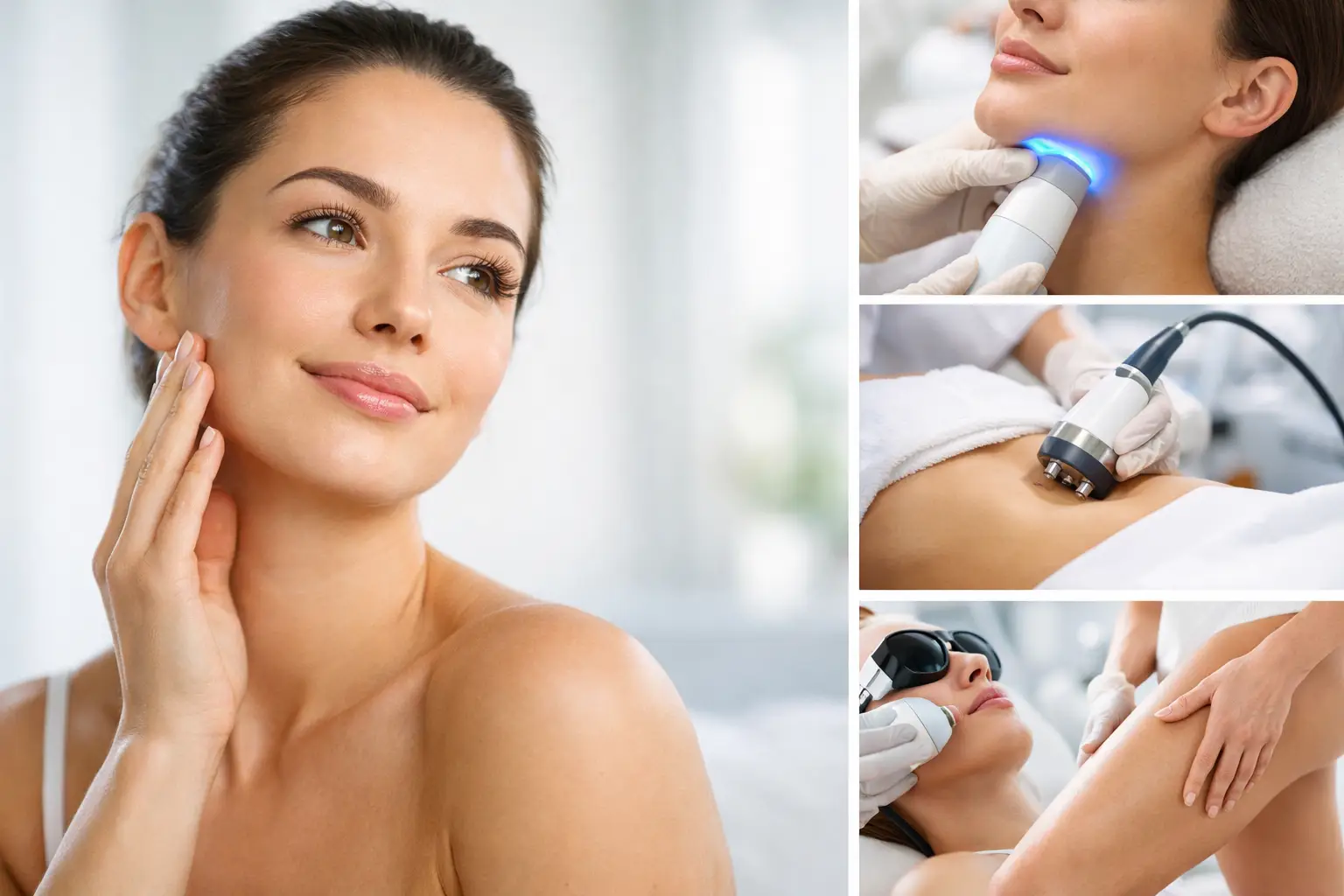
Loose skin rarely appears all at once. You may first notice makeup settling differently around the cheeks, a softer jawline in photos, crepey texture above the knees, or skin that does not bounce back as quickly after weight changes. A guide to skin tightening should start there: with the specific change you see, because the right non-surgical treatment depends on whether your main concern is laxity, texture, volume loss, or a combination of all three.
Today’s non-surgical options can create real, visible improvement with little to no disruption to a busy schedule. They are not a substitute for a surgical facelift, neck lift, or body lift when there is significant excess skin. But for many Long Island clients with mild to moderate laxity, a personalized treatment plan can help skin look firmer, smoother, and more refreshed without incisions or lengthy recovery.
What Skin Tightening Actually Treats
Skin tightening treatments are designed to encourage collagen and elastin, the structural proteins that give skin support and resilience. Collagen production naturally slows with age, while sun exposure, weight fluctuations, pregnancy, genetics, and smoking can accelerate the appearance of laxity.
The goal is not to make skin look pulled or unnatural. A well-planned treatment aims to improve the quality and support of the skin so facial contours look more defined, the neck appears smoother, or body skin looks less crepey and more toned.
Results vary by area. Thin, delicate skin around the eyes and neck may need a different approach than the cheeks, abdomen, arms, thighs, or knees. It also matters whether skin is loose because of collagen loss or because the face has lost volume. Tightening alone cannot fully replace volume that has shifted or diminished over time.
Your Guide to Skin Tightening Options
There is no single best treatment for every patient. The technology, treatment depth, number of sessions, and timing should match your skin condition and goals.
Radiofrequency Skin Tightening
Radiofrequency uses controlled heat to target deeper layers of skin while protecting the surface. That heat supports collagen remodeling, which can gradually improve firmness and texture. It is commonly used on the face, neck, abdomen, arms, thighs, and other areas with mild to moderate laxity.
Many clients like radiofrequency because treatment is comfortable and requires minimal downtime. Some see an early improvement from temporary tissue contraction, but the more meaningful change develops over the following weeks and months as collagen remodels. A series of treatments is often recommended, especially for body areas or more noticeable laxity.
Microneedling With Radiofrequency
RF microneedling combines tiny needles with radiofrequency energy delivered at controlled depths. This makes it a strong option when loose skin is accompanied by uneven texture, enlarged pores, acne scarring, or fine lines.
Because it addresses both the skin’s surface and deeper support, RF microneedling can be especially useful for the lower face, jawline, neck, and certain body concerns. Redness and swelling are common for a short period afterward, so treatment should be scheduled with your social calendar in mind. Your provider may recommend more than one session for the best collagen-building response.
Ultrasound-Based Treatments
Ultrasound energy can target deeper tissue layers beneath the skin’s surface. It is often selected for lifting and tightening in areas such as the brow, cheeks, jawline, and neck. The treatment works gradually, with results developing as the body creates new collagen.
This option can be a good fit for clients who want a non-invasive approach and have mild skin laxity. It is less effective when there is substantial sagging or excess skin. During a consultation, an experienced provider can determine whether ultrasound is likely to produce enough improvement to be worthwhile.
PDO or MINT Threads
Threads are not a heat-based tightening treatment, but they can be appropriate for select patients who want more immediate support in areas such as the cheeks, jawline, or neck. PDO and MINT threads are placed beneath the skin to create a lifting effect while also stimulating collagen over time.
Threads involve more recovery and more technique sensitivity than a device-based treatment. Bruising, swelling, and temporary tenderness can occur. They are best performed by a trained medical professional after a careful review of facial anatomy, skin thickness, and realistic expectations.
Injectable Treatments and Combination Plans
A softer jawline or tired-looking face is not always caused by loose skin alone. Strategic injectables can restore lost facial support, while neuromodulators can soften muscle activity that contributes to lines and downward pull. When appropriate, combining injectables with a collagen-stimulating treatment may create a more balanced result than relying on one service alone.
For body concerns, skin tightening may also be paired with body contouring when stubborn fat and lax skin exist together. Reducing fat without considering skin quality can sometimes make laxity more noticeable, which is why a full assessment matters.
How to Know Which Treatment Is Right for You
The best candidates for non-surgical skin tightening generally have mild to moderate laxity and realistic expectations. They want improvement, not an overnight transformation. Skin tightening works best as a collagen-building process, and collagen needs time.
During a professional consultation, your provider should assess your skin elasticity, treatment area, age-related volume changes, medical history, and desired timeline. Photos can be helpful because they reveal changes in contour that are not always obvious in the mirror. Be clear about what bothers you most: loose neck skin, jowls, fine lines, crepey arms, post-weight-loss laxity, or a combination of concerns.
A trustworthy provider will also tell you when a treatment is not the right match. If you have significant loose skin after major weight loss, for example, surgery may be the only way to remove it. Non-surgical treatments can improve texture and modest laxity, but they cannot remove large amounts of extra skin.
What Results and Downtime Should You Expect?
Most collagen-stimulating treatments deliver gradual results. Depending on the technology and area treated, improvement may begin within several weeks and continue for two to six months. Results can last longer when supported by a healthy skincare routine, sun protection, stable weight, and maintenance treatments as recommended.
Downtime ranges from none to a few days of redness, swelling, or tenderness for many non-surgical options. Treatments such as RF microneedling and threads may require more planning than standard radiofrequency sessions. Avoid booking a procedure immediately before a major event unless your provider confirms the expected recovery window.
Pain tolerance also varies. Topical numbing, cooling, and customized energy settings can improve comfort. You should never feel pressured to tolerate an unsafe or overly aggressive treatment level in the name of faster results.
Safety Matters More Than a Device Name
Advanced technology is valuable, but the person selecting and performing the treatment is just as important. Ask whether the treatment is performed by a nurse or under medical supervision, how often the provider treats your specific concern, and what safety protocols are used for your skin type.
Be honest about prior cosmetic procedures, medications, active skin conditions, pregnancy, a history of cold sores, metal implants, or implanted medical devices. Some technologies and treatments may not be appropriate in these situations. If you are prone to pigmentation changes, your provider should tailor settings and aftercare carefully.
At Elite Laser Center, treatment planning focuses on safe, effective, non-surgical options tailored to the individual rather than a one-size-fits-all package. The right plan considers the results you want, the downtime you can manage, and the level of improvement your skin can realistically achieve.
Make Your Results Last Longer
Professional treatments work harder when they are supported at home. Daily broad-spectrum SPF is essential because UV exposure breaks down collagen. A consistent medical-grade skincare routine, adequate hydration, protein-rich nutrition, and avoiding smoking can also help protect your investment.
Most importantly, do not wait until laxity feels severe before seeking advice. Early collagen support often requires a more conservative approach than trying to correct advanced changes later. A consultation can give you a clear, honest path forward, so you can choose treatment with confidence and feel good in the skin you are in.