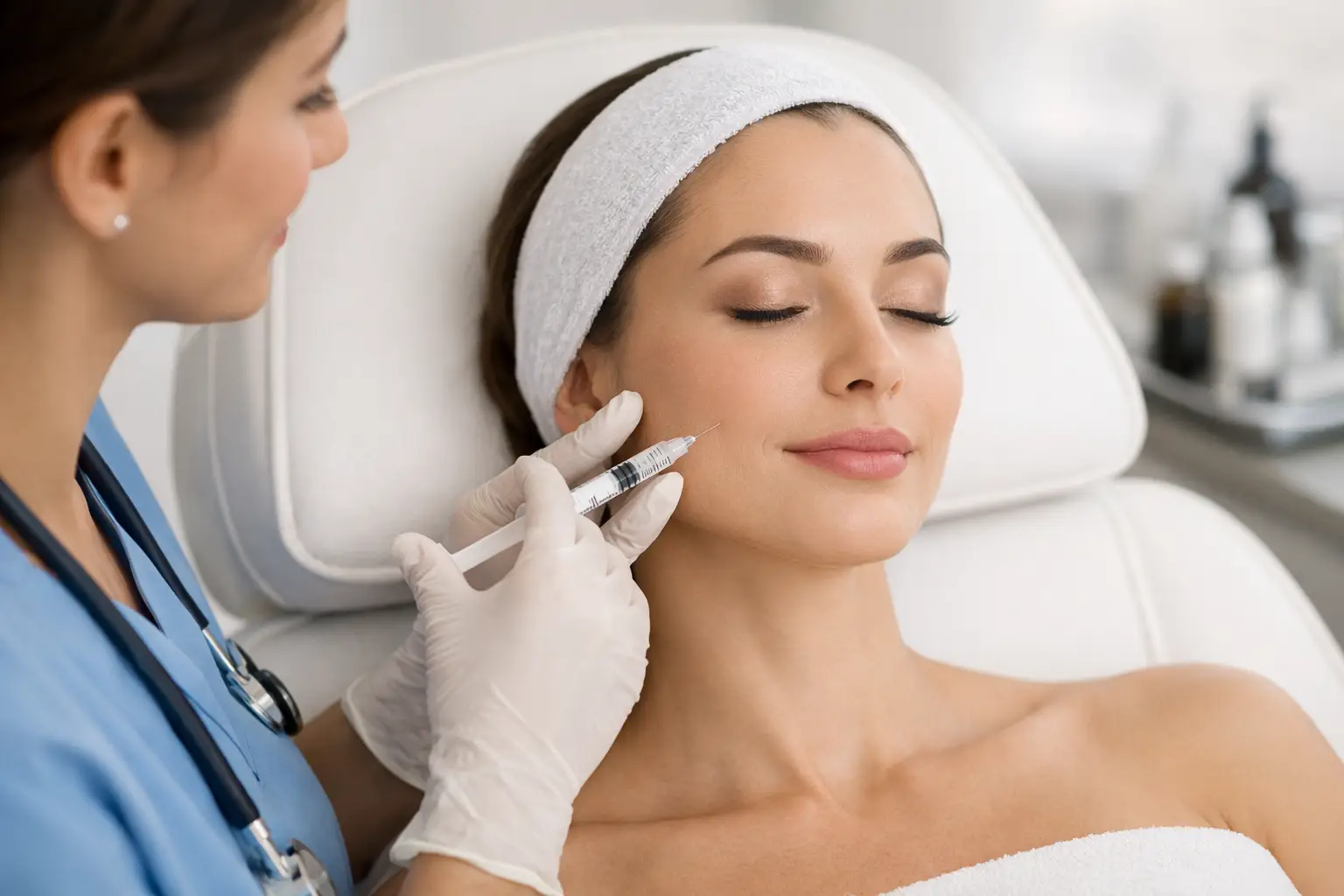
Fine lines, volume loss, and a tired-looking expression do not always require surgery or a long recovery. The right injectable treatment can soften wrinkles, restore facial balance, or create a more refreshed appearance with little interruption to a busy schedule. This guide to nurse supervised injectables explains what that supervision means, why it matters, and how to choose treatment with confidence.
What Are Nurse-Supervised Injectables?
Nurse-supervised injectables are aesthetic treatments performed by qualified medical professionals within an appropriate clinical oversight structure. Depending on the treatment and provider, this may include neuromodulators such as Botox Cosmetic or dermal fillers designed to add, replace, or refine facial volume.
The phrase matters because injectables are not simply beauty services. They are medical aesthetic treatments that require a working understanding of facial anatomy, product selection, dosage, placement, safety protocols, and how to respond if a concern arises. A skilled injector evaluates more than the line or area a client points out. They consider facial movement, skin quality, symmetry, proportions, prior treatments, health history, and the result the client actually wants.
At Elite Laser Center, clients receive personalized aesthetic care in a professional setting built around safety, comfort, and visible results. The goal is not to make every face look the same. It is to help you look refreshed, balanced, and like yourself.
Why Medical Supervision Changes the Experience
Injectables are often marketed as quick appointments, and many can be completed efficiently. But a fast treatment should never mean a rushed clinical decision. Medical supervision brings a higher standard of assessment before product is selected or a single injection is placed.
A qualified provider should review your medical history, current medications, allergies, past injectable experience, and cosmetic goals. Certain conditions, recent procedures, active skin infections, pregnancy or breastfeeding, and medications that affect bleeding may change whether treatment is appropriate or when it should be scheduled. Honest answers are essential. They help protect your safety and improve the quality of your result.
Supervision also supports better decision-making when treatment plans become more complex. For example, someone who wants to improve deep smile lines may actually benefit from restoring cheek support first. Someone asking for more lip volume may need a conservative approach to preserve natural shape and prevent an overfilled look. The best plan is rarely based on a single trend or a one-size-fits-all amount of product.
It Is About More Than Credentials on Paper
Credentials matter, but so do judgment, training, and a provider’s willingness to say no when a request is not in your best interest. A reputable aesthetic practice does not pressure you into more treatment than you need. It explains what a procedure can realistically accomplish and where another option may be more appropriate.
For some concerns, skin rejuvenation, microneedling, skin tightening, or a combination plan may produce a better outcome than additional filler. Injectables can be highly effective, but they are not the answer to every concern. That honesty is part of good medical aesthetic care.
Injectable Options and What They Can Address
Most cosmetic injectable consultations focus on two broad categories: neuromodulators and dermal fillers. Both can create meaningful improvements, but they work differently.
Neuromodulators for Expression Lines
Neuromodulators relax targeted muscles that repeatedly create expression lines. They are commonly used for forehead lines, frown lines between the brows, and crow’s feet. When placed precisely, they can soften a tense or tired appearance while allowing your natural expressions to remain.
Results are not immediate. Most clients begin to notice a change within several days, with the full effect developing over roughly two weeks. Results are temporary and vary by individual, treatment area, metabolism, and dosage. Follow-up treatments are typically needed to maintain the look.
Dermal Fillers for Volume and Contour
Dermal fillers are commonly used to enhance lips, refine facial contours, soften folds, and restore volume in areas that have become hollow or flattened over time. Many fillers are made with hyaluronic acid, a substance naturally found in the body. Different formulas are designed for different purposes, so the product used for delicate lip definition may not be the same product selected for cheek support or deeper folds.
Filler treatment requires a careful eye for balance. More product does not automatically create a better result. Conservative placement can often provide the most natural-looking improvement, especially for clients who are new to injectables or want subtle refinement.
What to Expect at Your Consultation
A strong consultation should feel like a conversation, not a sales pitch. Your provider should ask what you see in the mirror, what changes you would like to make, and whether you prefer a subtle refresh or a more noticeable correction. Photos may be used to assess facial balance and track progress over time.
You should also expect a discussion of cost, expected longevity, downtime, potential side effects, and treatment limitations. Ask which product is being recommended and why. Ask how much is planned, whether treatment can be staged, and what you should do if you have questions after your visit.
If you feel rushed, dismissed, or pressured to purchase more than you planned, pause. The right provider wants you to understand your choices and feel comfortable moving forward.
During Treatment: Precision, Comfort, and Communication
Most injectable appointments are relatively quick. The skin is cleansed, the treatment area may be marked, and topical numbing may be used when appropriate. Your provider then places the product using a fine needle or cannula, depending on the area and treatment plan.
You may feel brief pinching, pressure, or a mild sting. Sensation varies by area and by person. Let your provider know if you are uncomfortable. Good communication helps make the experience easier and allows the treatment to proceed at a pace that feels manageable.
Small amounts of redness, swelling, tenderness, or bruising can occur afterward. These effects are usually temporary, though the timing and degree vary. If you have an event coming up, schedule thoughtfully. Even when downtime is minimal, it is wise to give yourself a cushion rather than booking an injectable appointment the day before a major occasion.
Aftercare Protects Your Result
Your provider will give instructions based on the product and areas treated. Follow them closely, particularly if you are new to injectables. In general, avoid touching or massaging treated areas unless specifically instructed to do so. Avoid strenuous exercise, excessive heat, and alcohol for the period recommended by your provider, especially if swelling or bruising is a concern.
Do not judge your final result too soon. Neuromodulators need time to take effect, while filler can look temporarily fuller immediately after treatment due to swelling. Let the area settle according to the timeline your provider gives you before deciding whether you need an adjustment.
While serious complications are uncommon, they require prompt attention. Contact your provider right away if you experience severe or worsening pain, unusual skin discoloration, significant swelling, vision changes, or any symptom that feels concerning. A medically supervised setting should give you clear guidance on how to reach the practice after treatment.
How to Choose the Right Injectable Provider
Price is part of the decision, but it should not be the only decision. Extremely low pricing can be tempting, yet aesthetic injectables depend on product authenticity, proper storage, clinical training, and the ability to manage concerns appropriately. Value comes from a treatment plan that is safe, personalized, and designed for results that fit your features.
Before booking, look for a practice that offers a real consultation, explains who performs or supervises treatment, uses legitimate products, and provides clear aftercare guidance. Experience with different facial structures and skin types also matters. A provider should welcome questions about their approach rather than treating them as an inconvenience.
For Long Island clients, choosing a local medical aesthetic office also makes follow-up easier. Whether you need reassurance, an assessment, or a future maintenance plan, continuity of care is valuable.
Natural Results Start With a Thoughtful Plan
The best injectable result is often the one people notice without immediately identifying why. You may hear that you look rested, happier, or more like yourself. That usually comes from strategic treatment, not dramatic change.
Start with the concern that matters most to you, choose a provider who puts safety before speed, and give your treatment plan room to evolve. A well-guided injectable appointment can be a practical step toward looking more confident in the face you see every day.