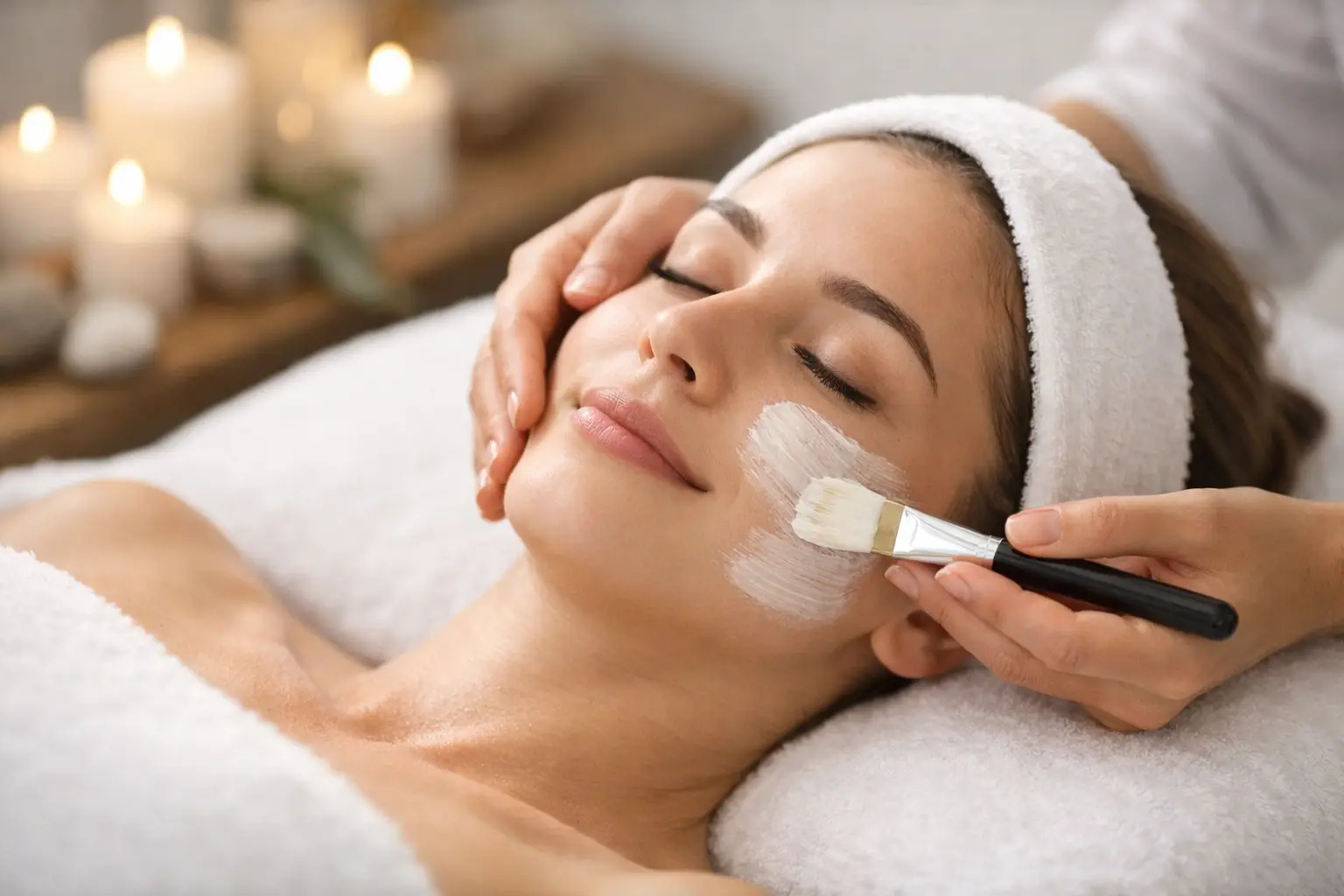
A facial should leave your skin feeling refreshed, hydrated, and cared for - not hot, tight, or covered in new irritation. For clients who flush easily, react to new products, or deal with dryness and sensitivity, facials for sensitive skin require a more thoughtful approach. The right treatment can support a healthier-looking complexion while respecting your skin’s limits.
At a medically supervised aesthetic practice, customization comes first. Your provider should look beyond a generic skin type label and consider your current concerns, skincare routine, history of reactions, and goals for treatment. That is how a facial becomes a comfortable, confidence-building experience instead of a guessing game.
Why Sensitive Skin Needs a Different Facial Approach
Sensitive skin is not always the same as dry skin, acne-prone skin, or rosacea-prone skin, although these concerns can overlap. Some people are naturally reactive. Others develop sensitivity after over-exfoliating, trying too many active products, using harsh cleansers, spending time in the sun, or receiving an aggressive treatment too close together.
The common thread is a weakened or easily disrupted skin barrier. When that barrier is under stress, even products that work well for someone else may cause stinging, redness, itching, or bumps. This is why a one-size-fits-all facial menu can be frustrating for sensitive clients.
A well-chosen facial should focus on calming visible redness, restoring moisture, and improving softness and radiance without pushing the skin into an inflammatory response. Strong results do not always require aggressive exfoliation. Often, the best result is skin that looks balanced, smooth, and comfortable in the days following treatment.
What to Look for in Facials for Sensitive Skin
The best facials for sensitive skin begin with a consultation and an honest conversation. Tell your provider if you have eczema, rosacea, allergies, recent sun exposure, a history of cold sores, or a past reaction to skincare ingredients. Also share whether you are using retinoids, prescription acne medication, exfoliating acids, or at-home devices. These details directly affect which techniques and products are appropriate.
A gentle facial may include a mild cleanse, careful skin analysis, soothing hydration, light extractions only when appropriate, and a barrier-supportive mask or serum. Cooling techniques can help calm the feeling of heat and reduce the appearance of temporary redness. Massage may be adjusted or skipped if your skin is currently inflamed or reactive.
Product selection matters just as much as the steps of the facial. In general, sensitive skin often responds best to fragrance-free formulas and ingredients chosen to support hydration and comfort. Hyaluronic acid, ceramides, glycerin, and calming botanical ingredients may be useful, but even gentle ingredients are not universal. Your personal reaction history matters more than a trending ingredient list.
The goal is not to use the maximum number of products. It is to use the right products in the right amount, with the right level of treatment intensity.
Treatments That May Need Extra Caution
Some facial techniques can be appropriate for certain sensitive skin types, but timing and intensity are critical. Chemical exfoliation, microdermabrasion, dermaplaning, extractions, and heat-based treatments may create a beautiful glow for the right candidate. They can also be too stimulating when skin is dry, compromised, actively irritated, or recovering from another procedure.
That does not mean you must avoid all exfoliation forever. It means your provider should assess your skin on the day of your appointment. A light, carefully selected exfoliant may be suitable when your barrier is healthy and your skin is stable. If you are experiencing a flare-up, the smarter choice may be to postpone exfoliation and prioritize calming hydration instead.
This is one reason professional guidance matters. A provider who listens to your skin can adjust the treatment rather than following a preset protocol.
How to Prepare for a Sensitive-Skin Facial
The week before your appointment is not the time to test a new retinol, peel pad, scrub, or at-home mask. Keep your routine simple and consistent. Avoid picking at blemishes, waxing the treatment area, or spending prolonged time in direct sun immediately before your facial.
If you use a prescription topical treatment or a potent active ingredient, ask whether you should pause it before your appointment. The answer depends on the product and your specific facial plan. Do not stop prescribed medication without guidance from the clinician who manages it.
Come to your appointment ready to describe what your skin has been doing lately. Is it stinging after cleansing? Are you seeing more redness around the nose and cheeks? Did a new serum cause bumps? A few clear details can help your provider make better choices from the start.
Aftercare That Protects Your Results
Sensitive skin benefits from a quiet, uncomplicated recovery period, even after a gentle facial. For the rest of the day, avoid hot showers, saunas, strenuous workouts, and direct sun exposure when possible. Heat can make temporary flushing more noticeable and may aggravate already reactive skin.
Use a gentle cleanser, a basic moisturizer, and broad-spectrum sunscreen. Hold off on scrubs, exfoliating acids, retinoids, and strong acne treatments until your provider says it is appropriate to resume them. If your skin feels warm or slightly pink, do not try to correct it with more products. Give it time, hydration, and a calm routine.
A small amount of temporary redness can happen after any facial, particularly if extractions were performed. However, persistent burning, swelling, hives, or worsening irritation are not results to ignore. Contact your provider for guidance rather than applying multiple new products at home.
How Often Should You Schedule a Facial?
There is no single schedule that works for every sensitive complexion. Some clients do well with a calming, hydrating facial every four to six weeks as part of a consistent skincare plan. Others prefer treatments seasonally, before an event, or whenever their skin needs a reset.
If you are managing rosacea, eczema, frequent breakouts, or significant sensitivity, less can be more. Regular treatment is valuable only when it supports your skin barrier and fits your overall care plan. An experienced provider can recommend a cadence based on how your skin responds, not simply on a standard membership schedule.
When a Medical Spa Consultation Makes Sense
A facial can be an excellent choice for mild dryness, dullness, congestion, and everyday sensitivity. But recurring redness, burning, flaky patches, painful acne, or sudden changes in your skin may need a more detailed assessment. In some cases, a dermatologist should diagnose and manage an underlying skin condition before you add cosmetic treatments.
For clients in Suffolk County and across Long Island who want professional skincare without unnecessary downtime, Elite Laser Center can help create a treatment plan based on your skin’s current needs and cosmetic goals. A personalized consultation makes it easier to choose treatments that feel as good as they look.
Sensitive skin does not mean settling for a dull or neglected complexion. It means choosing care that respects your barrier, responds to what your skin is telling you, and builds visible results gradually and comfortably.