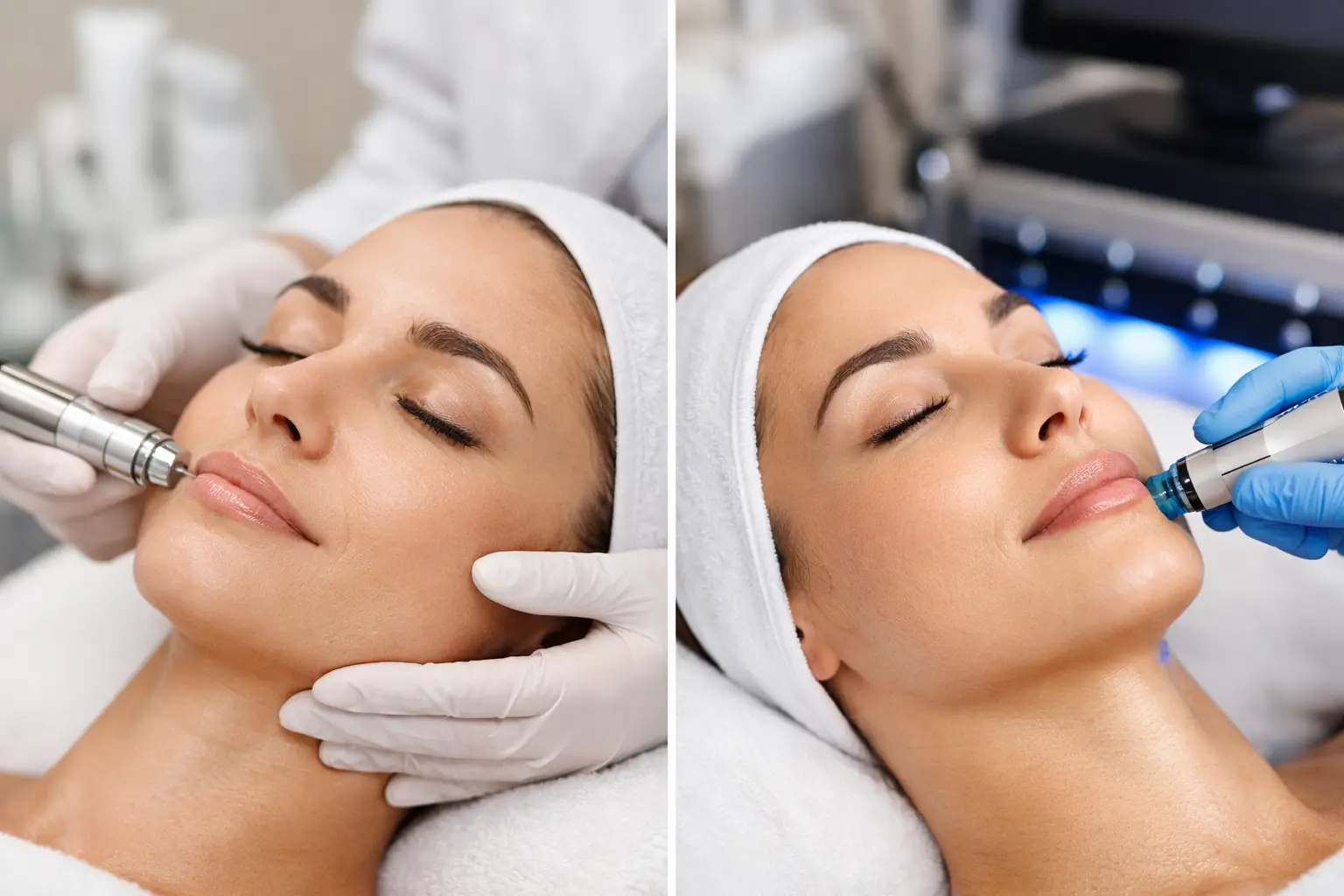
If you are comparing a diamondglow vs hydrafacial facial, you are probably not looking for a spa menu description. You want to know which treatment is more likely to give you smoother texture, cleaner pores, better hydration, and visible results that feel worth the appointment.
Both treatments are popular for a reason. They are non-surgical, low-downtime, and designed to improve skin tone and texture without the peeling or recovery associated with more aggressive procedures. But they do not work the same way, and the best choice often depends on your skin concerns, sensitivity level, and how quickly you want to see a polished, refreshed look.
DiamondGlow vs HydraFacial facial: the real difference
The biggest difference between DiamondGlow and HydraFacial is the way they exfoliate and deliver treatment solutions into the skin.
DiamondGlow uses a diamond-tipped wand to manually exfoliate the outer layer of skin while extracting debris and infusing condition-specific serums. That physical resurfacing element is what makes DiamondGlow stand out. It can leave skin feeling especially smooth and can be a strong option for people bothered by rough texture, buildup, dullness, and certain types of congestion.
HydraFacial uses a vortex-style system to cleanse, exfoliate, extract, and hydrate the skin with treatment solutions. It is often described as gentler and more fluid in how it clears pores and replenishes moisture. Many clients choose it when they want hydration, glow, and a refreshed appearance with little risk of looking irritated afterward.
In simple terms, DiamondGlow tends to lean more into resurfacing. HydraFacial tends to lean more into cleansing and hydration. That does not mean one is better across the board. It means the right fit depends on what your skin needs most.
How DiamondGlow works
DiamondGlow combines three actions at once - exfoliation, extraction, and infusion. The diamond tip physically removes dead skin cells from the surface while the device clears out debris and delivers professional serums chosen for your skin goals.
Because the exfoliation is more direct, DiamondGlow can be especially appealing for patients who feel like their skin has lost smoothness. If your makeup sits unevenly, your skin feels rough, or you have dull areas that do not improve much with at-home skincare, this treatment may offer that more polished finish you are after.
It can also be a solid choice for people with mild congestion and thicker, more resilient skin. After treatment, skin often looks brighter and feels cleaner and softer. Some patients notice a little pinkness right away, particularly if they are sensitive or if the treatment is adjusted more aggressively.
How HydraFacial works
HydraFacial follows a multi-step process that typically includes cleansing, exfoliation, extraction, hydration, and antioxidant-rich serum delivery. The vortex technology is designed to loosen impurities while bathing the skin in hydrating ingredients.
This is one reason HydraFacial has become a favorite before events. It tends to give skin an immediate dewy look without the heavier resurfacing feel of some other facials. Many patients with dehydrated skin, visible pores, mild congestion, or a tired complexion respond well to this approach.
For clients who are nervous about irritation or who simply want something that feels effective but comfortable, HydraFacial often checks those boxes. It is also easy to maintain on a recurring schedule if your goal is ongoing skin upkeep rather than a stronger resurfacing focus.
Which treatment is better for your skin goals?
If texture is your main complaint, DiamondGlow may have the edge. The diamond-tip exfoliation can make a visible difference in how smooth the skin feels, especially when dullness and roughness are front and center.
If dehydration is the bigger issue, HydraFacial is often the stronger choice. It is built around cleansing and infusing hydration, and many people notice that fresh, plump look immediately after treatment.
If clogged pores and blackheads are your concern, either can help, but the better fit depends on your skin. Some clients do very well with HydraFacial because of the extraction and hydration balance. Others prefer DiamondGlow because the resurfacing helps remove the layer of buildup that makes pores look more noticeable.
If you have sensitive skin, the answer is less automatic than many people assume. HydraFacial is often considered gentler, but sensitivity is not one-size-fits-all. The right treatment settings, serum choices, and provider judgment matter just as much as the device itself.
If your goal is anti-aging support, both facials can play a role, but neither should be confused with a lifting or collagen-remodeling treatment. They can improve radiance, smoothness, and the look of tired skin. For deeper wrinkles, laxity, acne scarring, or pigment concerns, a provider may recommend combining facials with treatments like microneedling, skin tightening, or medical-grade skincare for stronger long-term results.
DiamondGlow vs HydraFacial facial for sensitive or acne-prone skin
This is where personalization matters most.
For sensitive skin, HydraFacial often feels like the safer starting point because it is generally less abrasive. If your skin gets red easily, reacts to scrubs, or struggles with a compromised barrier, a gentler approach may be better tolerated. Still, some sensitive clients do well with DiamondGlow when the treatment is customized appropriately.
For acne-prone skin, both facials can support a clearer-looking complexion by reducing surface debris and congestion. But if acne is inflamed, cystic, or medically persistent, a facial should not be the whole plan. A medically supervised practice can help determine whether a gentle facial, a clinical acne treatment strategy, or a different skin service is the smarter next step.
That distinction matters. A treatment that looks great on social media may not be the best answer for active breakouts, post-inflammatory discoloration, or skin that is already irritated from acne products.
What results can you expect?
Both treatments are known for immediate cosmetic improvement. Skin usually looks brighter, cleaner, and more refreshed right away. That is part of the appeal.
DiamondGlow results often show up as smoother texture and a more polished surface. HydraFacial results often show up as a cleaner, more hydrated, more radiant complexion. In both cases, your skin may feel softer and look healthier after one session.
The trade-off is that these are maintenance-friendly treatments, not permanent fixes. If you like the result, regular appointments usually produce the best ongoing benefit. Frequency depends on your skin type, goals, and the rest of your treatment plan.
Is there any downtime?
Downtime is minimal with both, which is why they are popular with busy clients. Most people return to normal activity the same day.
DiamondGlow can sometimes leave temporary redness because of the physical exfoliation. HydraFacial is less likely to create that just-treated look, although any facial can cause brief flushing depending on your skin and how reactive it is.
If you are scheduling before an event, timing still matters. A same-day appointment may work for some people, but if your skin is unpredictable, giving yourself a few days of cushion is the safer move.
Which one lasts longer?
There is no universal winner here. Longevity depends on your skin, home care, lifestyle, and how much congestion, dryness, or dullness returns between treatments.
Some people feel DiamondGlow gives a longer-lasting smoothness because the exfoliation is more noticeable. Others prefer HydraFacial because their skin stays looking hydrated and balanced for days afterward. The better question is not which one lasts longer on paper. It is which one addresses your actual concern more effectively.
How to choose with confidence
If you want stronger exfoliation and a smoother feel, DiamondGlow may be the better match. If you want hydration, glow, and a gentler overall experience, HydraFacial may make more sense.
The smartest choice, though, usually comes from an in-person skin assessment. A qualified provider can look at your skin condition, sensitivity, congestion level, and goals, then recommend the treatment that fits instead of pushing the trendiest name on the menu. That is especially important if you are dealing with rosacea, active acne, pigmentation, or a history of reacting to facials.
At a medically supervised aesthetic practice, that guidance can be even more valuable because your facial does not have to exist in a vacuum. If your skin needs more than a glow treatment, your plan can be adjusted to include options that target deeper concerns while still keeping downtime low.
The best facial is not the one with the louder branding. It is the one that makes sense for your skin today and still supports where you want your skin to be a few months from now.