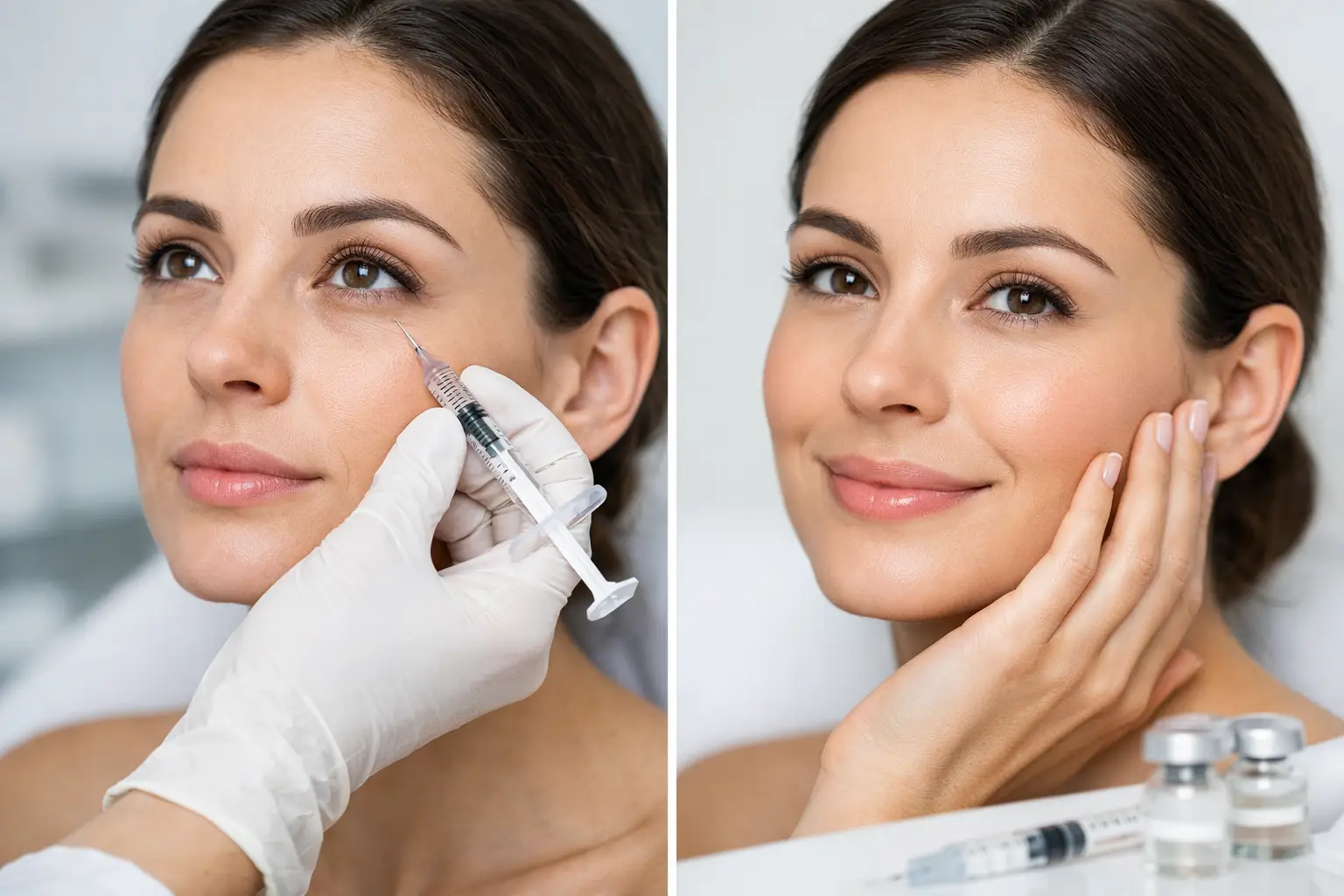
A hollow under the eyes can make you look tired even after a full night of sleep. It may create a shadow between the lower eyelid and cheek, make dark circles appear more noticeable, and leave your face looking less refreshed than you feel. So, can fillers fix under-eye hollows? For the right candidate, carefully placed dermal filler can soften this transition and create a smoother, more rested appearance without surgery.
The key is the phrase right candidate. Under-eye filler is not a one-size-fits-all treatment, and this delicate area deserves a thoughtful, medically guided approach. A consultation should determine whether volume loss is actually causing the concern or whether puffiness, loose skin, pigmentation, allergies, or facial anatomy are playing a larger role.
Can Fillers Fix Under-Eye Hollows?
Often, yes. Hyaluronic acid filler can restore subtle volume beneath the eyes when the area looks sunken or shadowed due to a loss of support in the upper cheek and tear trough. Hyaluronic acid is a naturally occurring substance that attracts water, allowing an experienced injector to make small, controlled adjustments in areas of volume loss.
The goal should never be to make the under-eye area look puffy or overfilled. The best results look quiet and natural. You may simply look more awake, less hollow, and more balanced in photos and daily life.
In many cases, the injector will assess the cheek before treating the tear trough itself. Supporting the mid-cheek can improve the under-eye transition with less product directly beneath the eye. This approach can create a smoother result while respecting the anatomy of an area that is thin, mobile, and prone to swelling.
Results can be visible immediately, although minor swelling or bruising can temporarily affect the final appearance. Most patients see the settled result within about two weeks. Depending on the product used, your metabolism, and the treatment plan, improvement may last from several months to more than a year.
What Under-Eye Filler Can and Cannot Improve
Filler is most effective when under-eye shadows are caused by volume loss. This may happen naturally with age as facial fat pads shift and the skin becomes thinner. Some people also have genetically deep tear troughs from a young age, even when they are well rested and maintain a healthy lifestyle.
Filler may help improve:
- A sunken groove between the lower eyelid and cheek
- Shadows that make dark circles look deeper
- Mild to moderate volume loss beneath the eyes
- A tired-looking facial expression caused by hollowing
However, filler cannot correct every source of under-eye concern. If you have prominent eye bags, significant fluid retention, very loose lower-eyelid skin, or a strong tendency toward swelling, adding filler may not deliver the refreshed look you want. In some cases, it can make bags look more pronounced.
Dark circles also have different causes. Brown or gray discoloration may be related to pigment in the skin, visible blood vessels, sun exposure, genetics, or skin thinning. Filler may reduce the shadow component of dark circles, but it does not remove pigment. A personalized plan may include skin rejuvenation treatments or medical-grade skincare when discoloration is the primary issue.
Who Is a Good Candidate for Tear Trough Filler?
A good candidate generally has mild to moderate hollowness, reasonably good skin quality, and little to no chronic puffiness beneath the eyes. They are looking for natural improvement rather than a dramatic change. They also understand that treatment may be most successful when the cheeks and under-eyes are evaluated together rather than as separate areas.
A qualified provider should review your medical history, prior injectable treatments, medications, allergies, and any history of facial swelling. Certain medical conditions, active skin infections, pregnancy, breastfeeding, or previous complications may mean it is better to postpone treatment or choose another option.
Your provider should also evaluate you sitting upright, because under-eye contours can look different when you are lying down. This is not an area for rushed decisions, bargain shopping, or aggressive treatment plans. Proper assessment matters as much as the filler itself.
Why Experience Matters Around the Eyes
The under-eye area has complex anatomy and limited room for error. Filler placed too superficially can create a bluish cast called the Tyndall effect. Too much filler can look swollen, lumpy, or heavy. Some patients may also retain fluid in the area, particularly if they already have a tendency toward morning puffiness or seasonal allergies.
There are also rare but serious vascular risks with any injectable treatment. For this reason, under-eye filler should be performed only by a properly trained, medically supervised provider who understands facial anatomy, uses conservative techniques, and has an established plan for managing complications.
Hyaluronic acid filler is commonly favored for this area because it can be dissolved with an enzyme called hyaluronidase if necessary. That does not make treatment risk-free, but it does offer an important level of flexibility when compared with permanent or non-reversible fillers.
At Elite Laser Center, injectable recommendations are based on your facial anatomy, skin quality, and goals, not a pre-set amount of product. A conservative plan can always be refined after the first treatment. It is much harder to correct an overfilled result than it is to add a small amount later.
What to Expect During and After Treatment
Your appointment begins with an assessment and discussion of the look you want to achieve. Before-and-after photos may be taken to document your starting point and make subtle changes easier to evaluate. The skin is cleansed, and topical numbing may be used depending on the product and technique.
Treatment itself is usually brief. Your provider may use a needle, a cannula, or a combination of methods. A cannula is a blunt-tipped instrument that can allow product placement through fewer entry points, though the best technique depends on your anatomy and the injector's clinical judgment.
Most people return to normal activities the same day. Mild tenderness, redness, swelling, and bruising are possible. It is usually wise to avoid strenuous exercise, alcohol, excessive heat, and rubbing the treated area for the period recommended by your provider. Sleeping with your head slightly elevated the first night may help minimize swelling.
Do not judge the final result too quickly. Under-eye tissue is delicate, and even mild swelling can make the area appear uneven at first. Allow time for healing, then attend any recommended follow-up appointment so your provider can assess the result in person.
When Another Treatment May Be Better
If your concern is mainly loose skin, pronounced lower-eye bags, or fat protrusion, a surgical consultation may offer the most meaningful correction. Non-surgical treatment has real value, but it should not be presented as a replacement for surgery when surgery is the more appropriate option.
For fine lines, crepey texture, or skin thinning around the eyes, a skin-focused treatment plan may be more helpful than filler alone. Microneedling, select laser-based rejuvenation treatments, and professional skincare can support collagen production and improve the quality of the skin over time. If pigment is the issue, treatment should focus on the specific type and cause of discoloration.
Sometimes the best answer is a combination approach: modest cheek support, very conservative under-eye filler if appropriate, and skin rejuvenation to improve texture and tone. This is why a personalized consultation is more valuable than choosing a treatment based on a photo or social media trend.
A refreshed under-eye area should still look like you - just better rested. If hollowness is affecting your confidence, choose a provider who will explain your options clearly, treat conservatively, and recommend filler only when it is truly the best fit for your face.