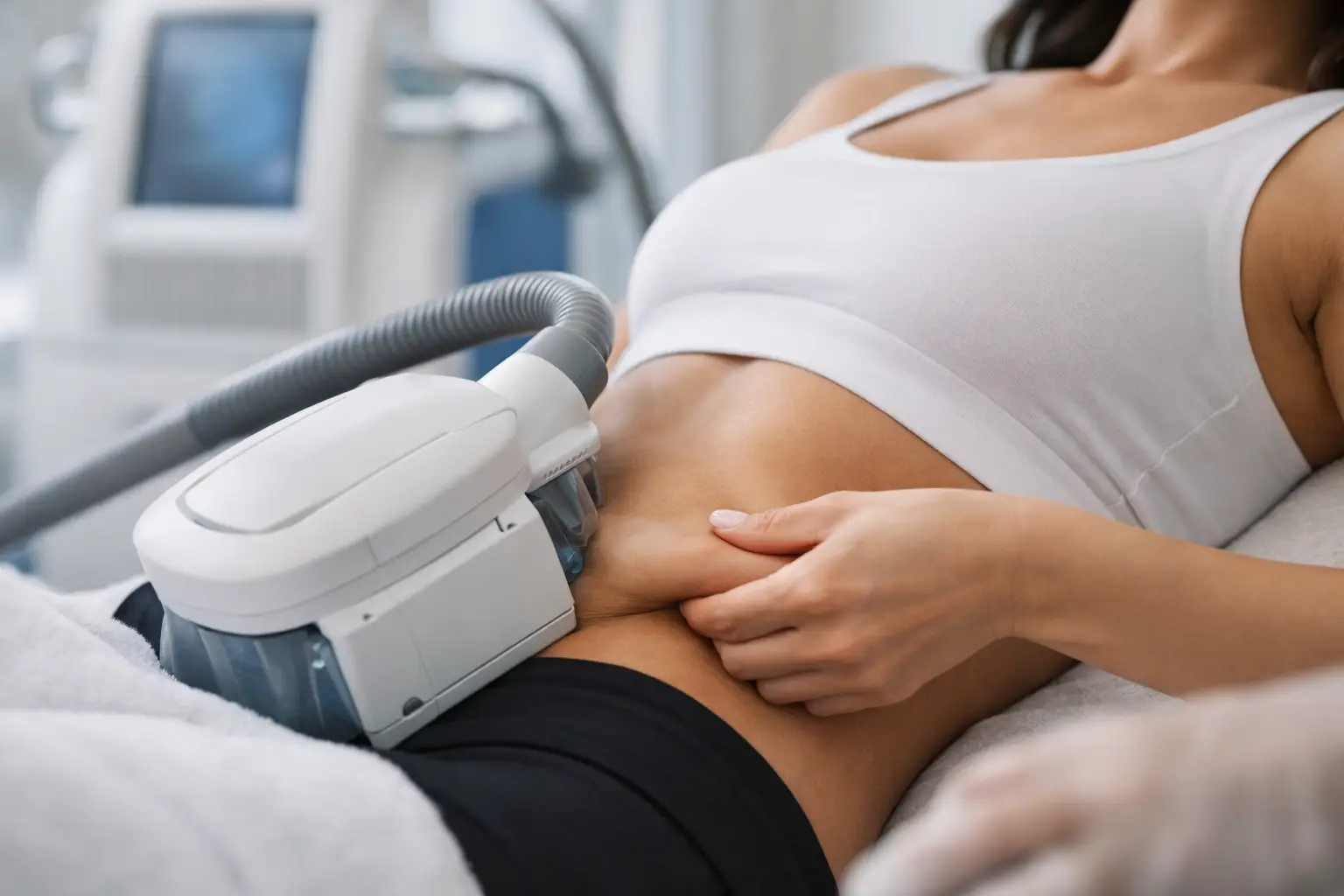
A flatter area is not always a firmer area. That distinction matters when you are considering body contouring, especially if loose skin is part of what you see in the mirror. So, can CoolSculpting tighten skin? Not in the true clinical sense. CoolSculpting is designed to reduce visible fat bulges, not to contract or remove loose skin.
That said, the right treatment plan can still create a smoother, more defined-looking result. The key is identifying whether stubborn fat, skin laxity, or a combination of both is driving the concern.
Can CoolSculpting Tighten Skin at All?
CoolSculpting uses controlled cooling, also known as cryolipolysis, to target and freeze fat cells beneath the skin. Over time, the body naturally processes those treated fat cells. The result can be a noticeable reduction in a pinchable fat bulge in areas such as the abdomen, flanks, thighs, upper arms, back, or under the chin.
The cooling technology does not heat the skin or stimulate collagen in the same way dedicated skin-tightening treatments do. For that reason, CoolSculpting should not be presented as a solution for crepey, sagging, or significantly lax skin.
Some patients feel that an area looks smoother after treatment because the fat bulge is smaller and the remaining skin already has good natural elasticity. That is an improvement in contour, not necessarily new skin tightening. If skin elasticity is limited, reducing the fat beneath it can occasionally make looseness more visible.
Fat Reduction and Skin Tightening Are Different Goals
It is easy to group body concerns together, but fat and skin respond to different technologies. CoolSculpting addresses localized subcutaneous fat - the soft, pinchable fat that can resist a healthy lifestyle. It is not a weight-loss procedure, and it does not replace surgical skin removal when there is substantial excess skin.
Skin laxity is usually related to changes in collagen and elastin, aging, sun exposure, genetics, pregnancy, or weight fluctuations. When collagen support declines, skin may appear thinner, wrinkled, or less able to snap back after fat volume changes.
A patient can be an excellent candidate for fat freezing and still need a separate treatment for firmness. This is why a professional consultation should look beyond the number on the scale and assess skin quality, tissue thickness, body proportions, and the amount of fat available to treat.
When CoolSculpting May Make an Area Look Better
CoolSculpting can be a strong choice when the skin is relatively firm and the concern is a defined pocket of fat. For example, a person near their stable goal weight may have an abdomen that feels smooth except for a lower-belly bulge, or flanks that create unwanted fullness in fitted clothing. Reducing that volume may improve the overall shape without surgery or significant downtime.
Younger patients often have more elastic skin, but age alone does not determine candidacy. Many adults in their 40s, 50s, and beyond have healthy skin elasticity. The more useful question is whether the skin retracts well when the area is gently lifted or compressed and whether there is enough localized fat for the applicator to target.
When Loose Skin May Need a Different Approach
If the primary issue is a soft, wrinkled, hanging, or crepey appearance, CoolSculpting alone is unlikely to provide the change you want. This can be especially relevant after major weight loss, pregnancy, or repeated weight fluctuations. In these cases, a provider may recommend collagen-stimulating skin-tightening options, microneedling for certain skin concerns, or other treatments based on the area and degree of laxity.
For more significant loose skin, surgery may be the only option capable of removing excess tissue. A reputable medical spa will be direct about that rather than promising that a non-surgical fat-reduction treatment can duplicate a surgical result.
Why a Combined Treatment Plan Can Be More Effective
The best non-surgical results are often created by treating the actual cause of the concern, not by forcing one treatment to do every job. If you have both stubborn fat and mild skin laxity, a combined approach may be appropriate. CoolSculpting can reduce unwanted fullness while a skin-tightening treatment supports collagen remodeling and a firmer-looking surface.
Treatment timing depends on the technologies selected, the treatment area, and your individual response. There is no one-size-fits-all protocol. A personalized plan should consider whether your first priority is reducing volume, improving texture, tightening mild laxity, or creating a more balanced contour across several areas.
At Elite Laser Center, nurse-performed or nurse-supervised aesthetic care helps ensure that treatment recommendations are based on your anatomy and goals, not a generic package. The right plan should be clear about what each treatment can realistically accomplish.
What Results Can You Expect From CoolSculpting?
CoolSculpting results develop gradually. The body needs time to process treated fat cells, so visible changes are commonly assessed over the following weeks and months. Some areas may need more than one treatment cycle to reach the desired level of reduction, particularly when there is a larger fat pocket or a patient wants more contour refinement.
Results vary based on the area treated, the amount of fat, applicator placement, body composition, and adherence to a stable lifestyle. Once fat cells are eliminated, they do not return. However, remaining fat cells can enlarge with weight gain, which can change the contour again.
For patients with good skin quality, the treated area may look leaner and more sculpted as the bulge decreases. For patients with moderate laxity, the result may be more subtle unless skin tightening is included in the plan. Honest expectations are part of a successful treatment experience.
A Consultation Should Answer These Questions
Before scheduling CoolSculpting, ask whether the concern is truly fat, loose skin, or both. Your provider should be able to show you where the treatment applicator would be placed, explain how much reduction is realistic, and discuss whether your skin has the elasticity needed to look smooth after volume reduction.
You should also discuss your medical history, any prior procedures in the area, hernias, sensitivity to cold, and conditions that may make cryolipolysis inappropriate. CoolSculpting has risks and side effects, including temporary redness, swelling, bruising, numbness, tenderness, and rare complications. Treatment should always be performed after an appropriate medical assessment.
Be cautious of advertisements that promise a tight, toned body from fat freezing alone. A slimmer contour can be an excellent outcome, but it is not the same as lifting lax skin or rebuilding collagen.
The Right Treatment Starts With an Honest Assessment
CoolSculpting can be an effective, non-surgical option for reducing stubborn fat with minimal downtime. It can improve the way an area looks when skin elasticity is already favorable, but it is not a stand-alone skin-tightening treatment.
If your goal is a firmer appearance, the most valuable next step is a consultation that separates fat reduction from skin tightening and builds a plan around both when needed. The right recommendation should leave you feeling confident about the result you can realistically expect - not pressured into a treatment that does not match your concern.