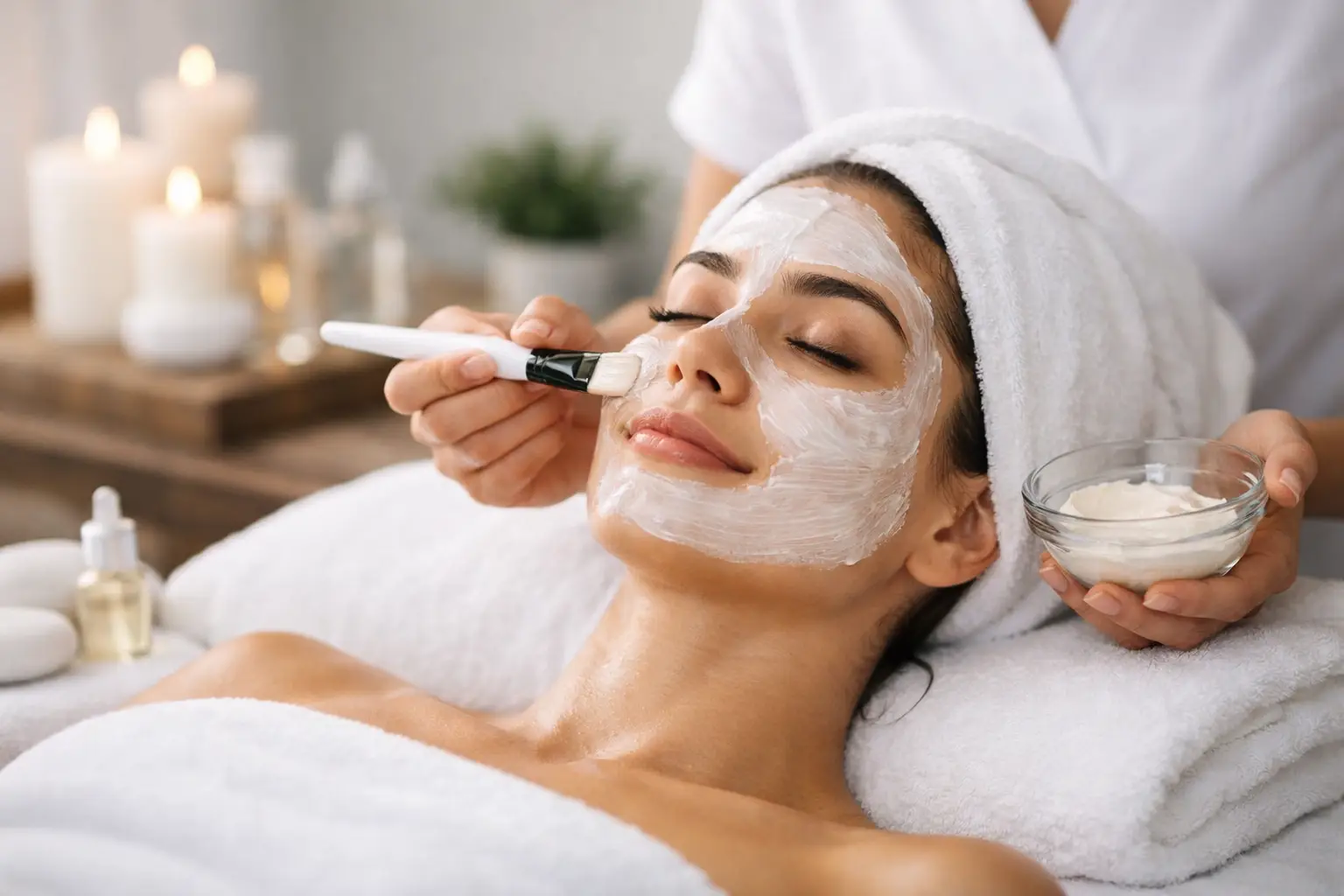
Your skin can look tired even when you are sleeping well, drinking water, and using quality products. Dullness, uneven texture, congestion, and early fine lines often need more than an at-home mask. The best facials for glowing skin combine the right professional technique with a treatment plan tailored to what your skin actually needs.
A glowing complexion is not about making skin look shiny for one afternoon. It is about supporting smoother texture, clearer pores, balanced hydration, and a more even-looking tone. The right facial can help create that fresh, healthy appearance with little to no downtime, but there is no single treatment that is best for every face.
What Creates a Real, Healthy Glow?
Skin reflects light more evenly when its surface is smooth, hydrated, and free from buildup. Dead skin cells, clogged pores, dehydration, sun exposure, acne marks, and natural collagen loss can all interfere with that reflection. That is why a facial that works beautifully for a dehydrated complexion may not be the right choice for someone managing active breakouts or pigmentation.
A professional consultation matters because it separates a quick cosmetic fix from an appropriate skin strategy. Medical supervision and experienced providers can help determine whether your skin needs exfoliation, hydration, extraction, collagen stimulation, or a more targeted corrective treatment.
Best Facials for Glowing Skin by Concern
Hydrating and exfoliating facials for dull skin
When skin feels rough, looks flat, or makeup no longer sits smoothly, gentle exfoliation paired with deep hydration is often the strongest starting point. These treatments remove surface buildup while replenishing moisture, leaving skin visibly cleaner, softer, and more luminous.
Hydradermabrasion-style facials are especially popular because they can cleanse, exfoliate, extract congested pores, and infuse hydrating serums in one appointment. They are a practical option before a special event because most clients experience minimal downtime. Results can be immediate, although regular treatments and a consistent home routine help maintain them.
The trade-off is that these facials primarily improve surface-level concerns. If deep lines, acne scarring, or significant laxity are the goal, a more advanced treatment may be recommended.
Customized facials for sensitive or reactive skin
Sensitive skin still deserves professional care, but aggressive exfoliation is not always the answer. A customized facial may focus on calming ingredients, gentle cleansing, hydration, and barrier support rather than strong acids or intensive extractions.
Redness, stinging, flaking, or frequent reactions are signs to slow down and choose carefully. The goal is to leave skin comfortable and refreshed, not overly stimulated. Tell your provider about rosacea, eczema, allergies, prescription skincare, and any recent cosmetic procedure before treatment.
For reactive skin, consistency is often more valuable than intensity. A series of gentle, professionally selected facials may create a healthier glow without triggering the irritation that can come from over-treating.
Chemical peels for uneven tone and texture
A chemical peel uses carefully selected acids to encourage exfoliation and skin renewal. Light peels can improve dullness, mild discoloration, fine lines, and uneven texture with limited peeling or recovery. Medium-depth options may address more pronounced concerns, but they require more planning and aftercare.
The best peel is not necessarily the strongest one. Skin type, tone, sensitivity, sun exposure, and goals all affect the appropriate formula and strength. This is particularly important for patients with deeper skin tones, who need a customized approach to help minimize the risk of post-inflammatory hyperpigmentation.
After a peel, sunscreen is non-negotiable. Freshly treated skin is more vulnerable to sun damage, and skipping daily SPF can compromise the very results you want to protect.
Acne-clearing facials for congested pores
Congestion can make skin look textured, inflamed, and less radiant. Acne-focused facials typically include thorough cleansing, exfoliation appropriate for the skin, and careful extractions when needed. They may also use professional-grade ingredients selected to help manage excess oil and support clearer-looking pores.
Avoid the temptation to squeeze or pick at blemishes at home. That can increase inflammation and leave marks that last longer than the breakout itself. Professional extractions should be performed with clean technique and sound judgment, especially if acne is active or painful.
For persistent acne, a facial can be part of a broader plan, not a stand-alone cure. Your provider may recommend a series of treatments, changes to your skincare routine, or a referral to a medical professional when acne requires prescription management.
Collagen-stimulating treatments for fine lines and scars
If your idea of glow includes firmer-looking skin and improved texture over time, microneedling may be worth considering. This treatment creates controlled microchannels in the skin to support the natural collagen and elastin response. It is commonly chosen for fine lines, enlarged pores, acne scars, and uneven texture.
Microneedling is not a lunch-break facial in the same way as a hydrating treatment. Redness is common afterward, and results develop gradually as the skin renews itself. Most people need a series of sessions for meaningful improvement, making it a better choice for long-term correction than a last-minute event prep appointment.
At Elite Laser Center, treatments are selected around your skin goals, lifestyle, and comfort level. Nurse-performed or nurse-supervised care provides an added level of confidence when you are considering medical-grade skin rejuvenation.
How Often Should You Get a Facial?
For many people, a professional facial every four to six weeks supports healthy skin maintenance because it aligns with the skin's natural renewal cycle. That schedule is not a rule. Someone preparing for an event may schedule a hydrating facial shortly beforehand, while someone working on acne scars or pigmentation may follow a provider-recommended treatment series.
More frequent is not always better. Over-exfoliating can weaken the skin barrier, cause irritation, and create the opposite of a glow. Your skin should look calm, balanced, and refreshed between appointments, not perpetually red or tight.
How to Make Facial Results Last Longer
A facial can reset the look and feel of your skin, but what happens at home determines how long that improvement lasts. Use a gentle cleanser, apply moisturizer suited to your skin type, and wear broad-spectrum SPF daily. These basics protect the smoother, brighter surface your treatment helped reveal.
If you use retinoids, exfoliating acids, or acne medications, ask when to pause and restart them around your appointment. Using active products too close to certain facials or peels can increase sensitivity. It is also wise to avoid tanning, waxing, and trying unfamiliar products immediately before treatment.
Hydration helps, but do not rely on water alone to solve dry skin. A quality moisturizer with barrier-supporting ingredients is usually more effective at reducing moisture loss from the skin's surface.
Choosing a Facial Provider on Long Island
A facial should feel relaxing, but the decision should still be informed. Look for a provider who asks about your medical history, current skincare, sensitivity, and goals before recommending a service. Clean practices, appropriate training, and realistic expectations matter as much as the treatment itself.
Be cautious of one-size-fits-all packages or promises of permanent results after one visit. Great skin is usually built through customized care, professional treatments when appropriate, and a routine you can realistically maintain.
The most rewarding facial is the one that leaves your skin looking brighter while respecting its limits. Schedule a consultation, share what you see in the mirror, and choose a plan that gives your complexion the attention it deserves.